How often have you had to pass on a promising job candidate due to their lack of experience?
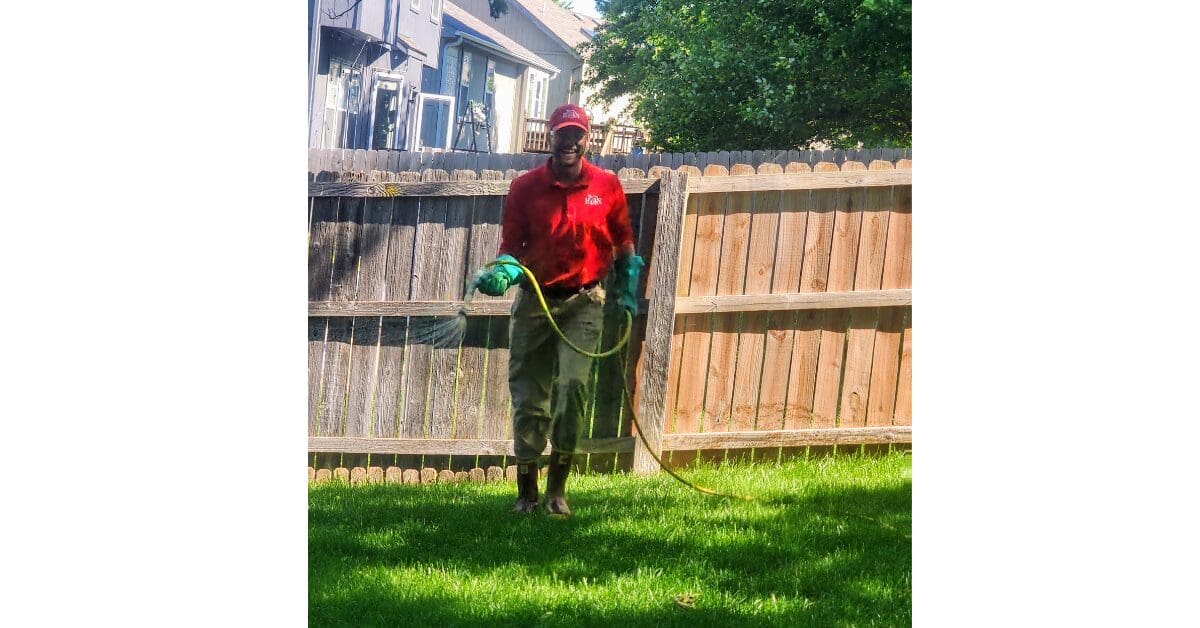
One way Ryan Lawn & Tree, based in Merriam, Kansas, has addressed this common challenge is with their apprenticeship program. Launched in 2021, this program is designed to serve as a talent pipeline that supports the company’s anticipated growth over the next five years.
“I was confident in our ability to teach and train them if they joined us,” says Steve Klecan, director of early talent for Ryan Lawn. “Furthermore, with our projected growth, I recognized that developing great people was an important facet of hitting our labor goals. As an employee-owned company, sustaining our culture and goals requires having the best possible team around us.”
Benefits of Apprenticeships
The two main benefits Ryan Lawn has experienced with their apprenticeship program is they are able to create the ‘Ryan Pro’ they want who has an all-encompassing knowledge base and it allows them to cast a larger recruiting net.
“Instead of just focusing on people with experience, it allows us to get great people in here, and then let our training take over from that point,” Klecan says.
Klecan explains that their apprenticeship program differs from training a traditional new hire in that it provides a comprehensive, global view of the company.
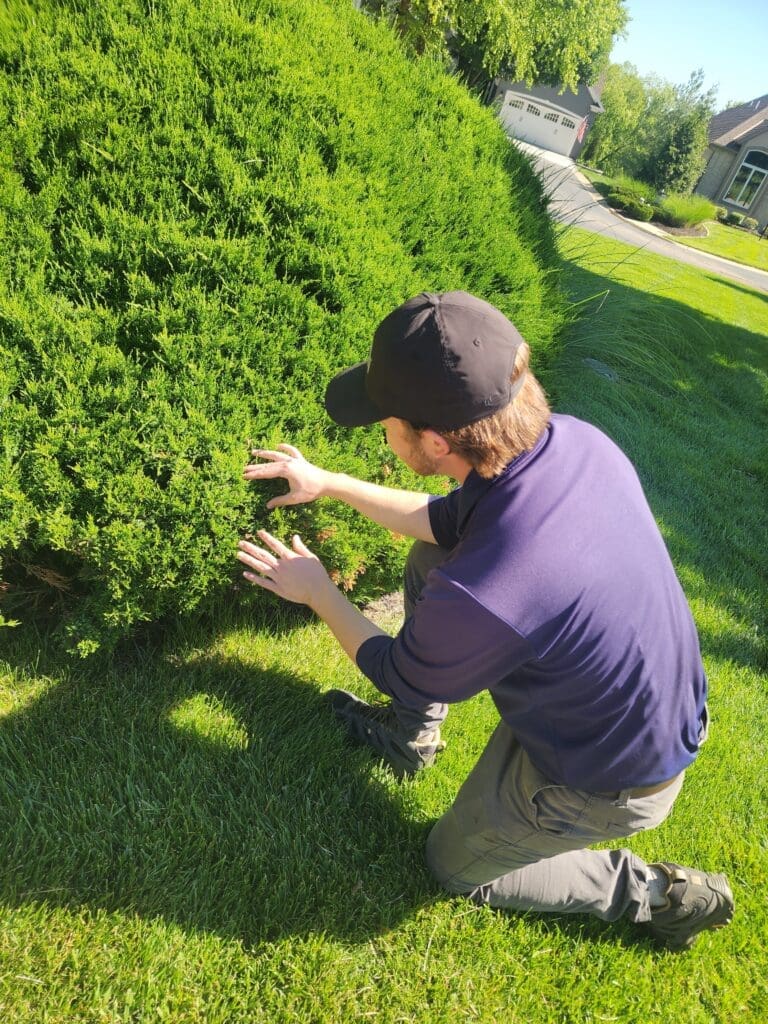
“Apprentices gain insight into how each department operates — from scheduling and field management to the company-wide perspective — and how those departments integrate with each other,” Klecan says. “This process is crucial for producing well-rounded employees with broad knowledge of the green industry. In contrast, a typical internal department hire is immediately immersed and becomes highly specialized in the techniques required for that specific job.”
He says internal hires can still cross-train, but it is not as structured as their formal apprenticeship program.
The apprenticeship program also allows Ryan Lawn to attract individuals who may still be exploring their long-term career path and have not yet committed to a specific field.
“For many candidates, the apprenticeship program provides a valuable opportunity to gain real-world exposure to multiple areas of the business before making a long-term decision about their future,” Klecan says.
Joshua Ely, a current apprentice with Ryan Lawn, says the apprenticeship enabled him to find out which aspect of horticulture best fit with his skills and passions, and gave him the flexibility to shift gears when he needed to.
“I don’t think I’d have a job at Ryan or any horticultural company for that matter, apart from the apprentice program,” Ely says. “I am not handy, and I had no experience in this industry, but the apprenticeship program laid the foundation I needed to become knowledgeable about the work in order to succeed.”
Klecan adds that the apprenticeship program strongly appeals to individuals who prefer hands-on learning.
“The program creates an ideal pathway for motivated individuals who want to learn through action while building a meaningful career,” Klecan says.
How the Apprenticeship Works
Ryan Lawn typically brings on 10 to 15 apprentices throughout the year. The apprenticeship typically lasts seven to eight months, but the pace can vary based on operational peaks, weather conditions and the availability of meaningful training opportunities.
The program is structured so apprentices spend one month in each department available at that branch location before rotating to the next one. During the department rotations, participants learn how each one operates and how they work alongside other departments. The goal is to provide a realistic look at the day-to-day responsibilities of each role, along with the knowledge and skills needed to succeed.
“In busier seasons, a rotation may be extended slightly to ensure they are getting quality hands-on experience, while in slower periods we can often move them through departments more efficiently,” Klecan says. “Overall, the timeline is designed to be flexible enough to prioritize both proper training depth and real-world exposure across all departments.”
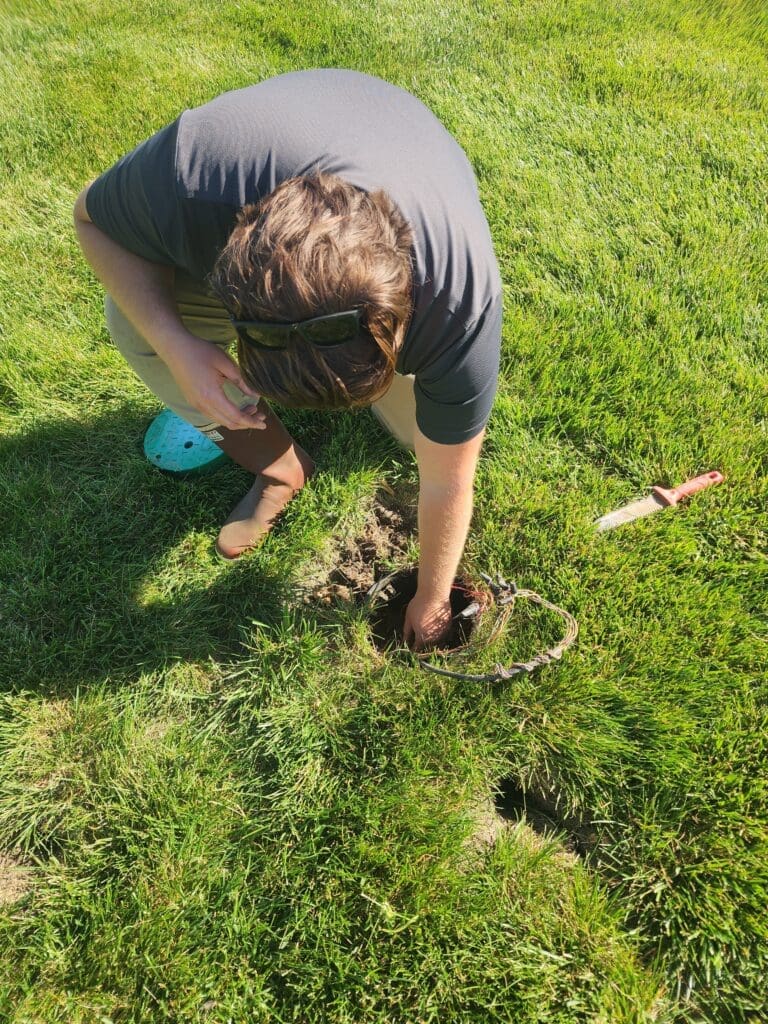
Another apprentice, Jesse Lyle, says the program has significantly improved his confidence, especially in communicating with customers
“The hands-on experience across multiple departments allows me to speak knowledgeably about a wide range of services,” Lyle says. “I’m not just a turf manager, I’m a little bit of every department and I’m able to think more holistically about a customer’s property. That exposure has helped me better serve customers and contribute more meaningfully to the team.”
Klecan says these rotations also help build stronger relationships among employees.
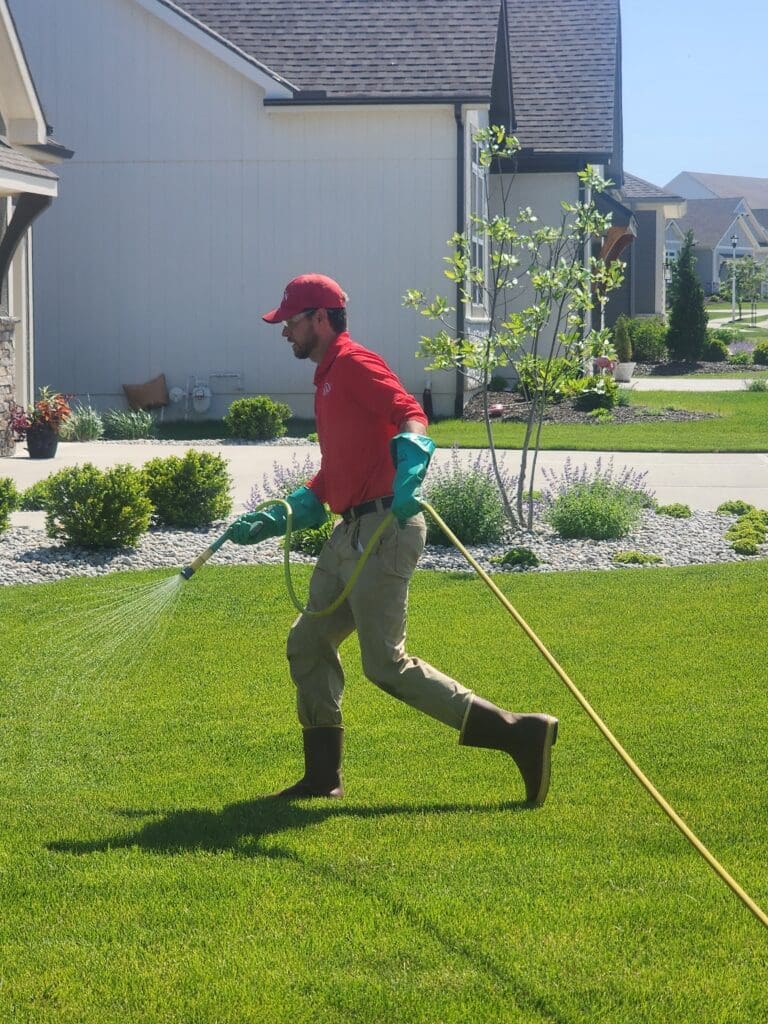
The primary focus of the training is to develop technical skills related to each department so the apprentices are confident in performing those tasks. For instance, in the turf department, this would include learning how to properly fertilize or apply spray applications.
“The goal is to give them foundational, real-world skills they can carry with them throughout their career,” Klecan says. “It builds both competence and confidence — skills they can rely on no matter where their path takes them in the future.”
Klecan says the biggest challenge of the program is scheduling the apprentices at times so they can be in departments when they can receive meaningful training and attention. He doesn’t want them to be with a department during peak workload season or slow periods when there may not be enough work to keep them engaged.
“Because of that, it becomes a constant balancing act that requires strong communication and coordination between myself and the department managers,” Klecan says.
Next Steps
Throughout the program, Klecan stays in contact with each apprentice to see how their rotations are going and which department they are most interested in.
“I track those interests, and when the apprenticeship is complete, if an opportunity is available in their preferred area, they transition into a trainee role,” Klecan says. “At that stage, they begin focusing fully on that department, immersing themselves in deeper education, technical training, and the specific requirements needed to excel in that career path.”
Klecan says they work with each individual to place them into the department that best aligns with their interests, strengths, and long-term career goals. Jake Cambern, another Ryan Lawn apprentice, says it’s a common experience for each apprentice to end up joining a department that they never would have guessed they’d pick when they began in the program.
“The investment RLT made in giving me the time to find the best fit has formed a tremendous loyalty in me to the company,” Cambern says. “Instead of rushing me into a place of need, they allowed me to see where I fit best and where I would see myself succeeding long-term.”
So far over 40 employees have completed the apprenticeship program.
“There are many talented individuals who can bring value to a company through their skills, character, and work ethic,” Klecan says. “Even if they come from different backgrounds or career paths, we have an opportunity to help them discover a genuine appreciation for the outdoor environments we build and maintain every day.”