Two years ago, Father Nature Landscapes, based in Birmingham, Alabama, was struggling to find individuals who were willing to get their hands dirty and found satisfaction from building something with their hands.
“Even with a growing internship program, we found it challenging to hire solely from the college pipeline,” says Will Richardson, managing director of Father Nature. “A lot of graduates were aiming for management roles early on, while our biggest need was people willing to spend time in the field to truly understand how the work is executed day to day.”
Richardson says they look for individuals who know what looks good in a design but are also willing to lend a hand in the field.
“If you looked in the bed of our founders’ truck right now, you’d probably find a shovel, pruners, irrigation nozzles, and maybe a few plants they were headed to drop off with a crew,” Richardson says. “That’s the culture here. We believe in leaders who are willing to work and have a passion for the trade.”
In response to this challenge, Richardson went about establishing several different programs and partnerships to get in front of promising candidates.
Creating A High School Immersion Program
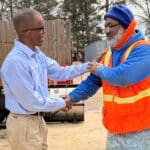
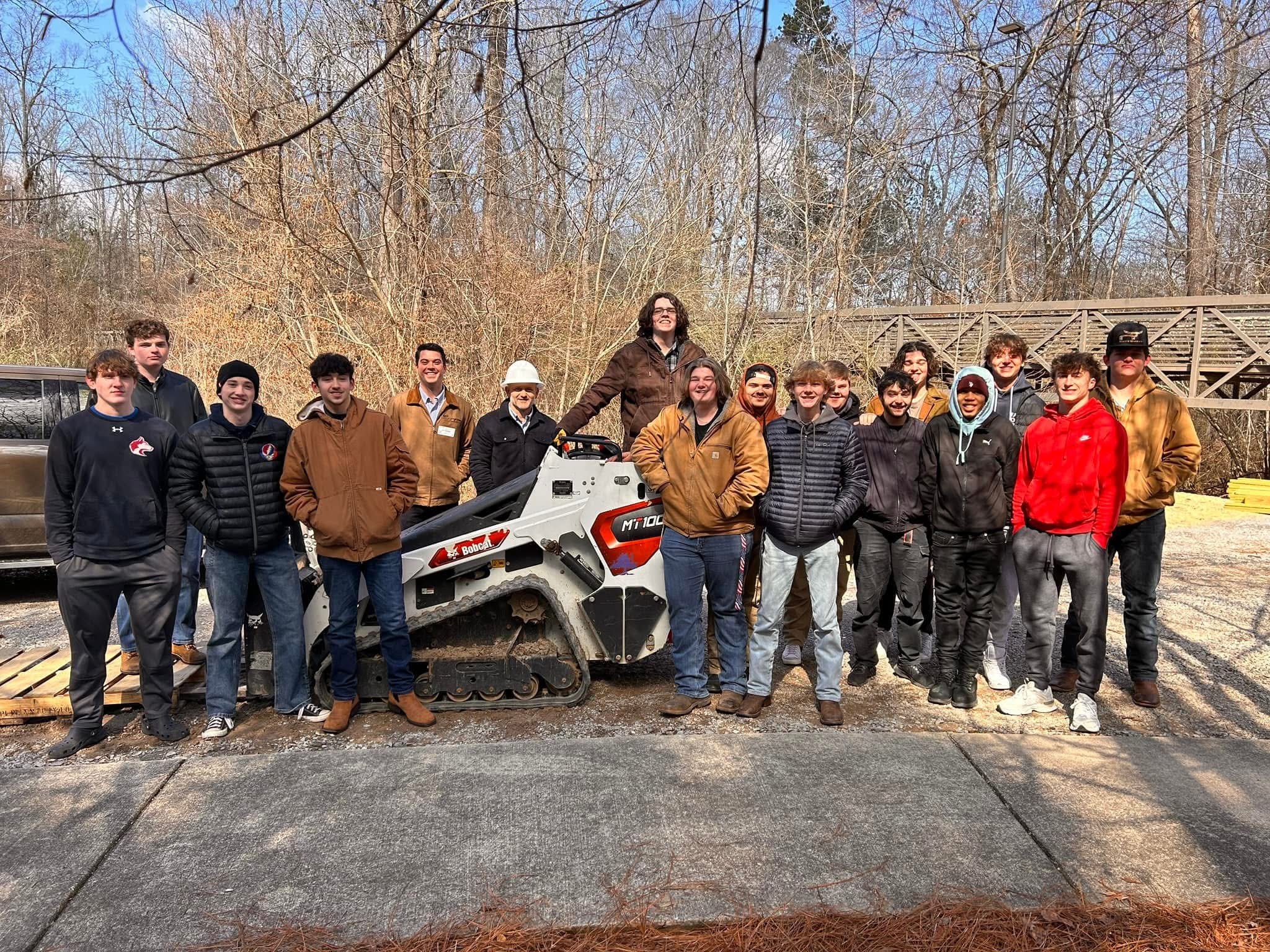
One of the partnerships Father Nature established is with Richardson’s former high school and other high schools in their area. He reached out, asking if he could talk to the students about the opportunities in the green industry.
“What we found was a lot of excitement from schools when counselors, coaches and principals realized we weren’t just coming in to pitch a job, we were presenting a real career path,” Richardson says.
Instead, Richardson opens with, “Hey, my name is Will Richardson, and I get the opportunity to run this business despite not graduating from college.”
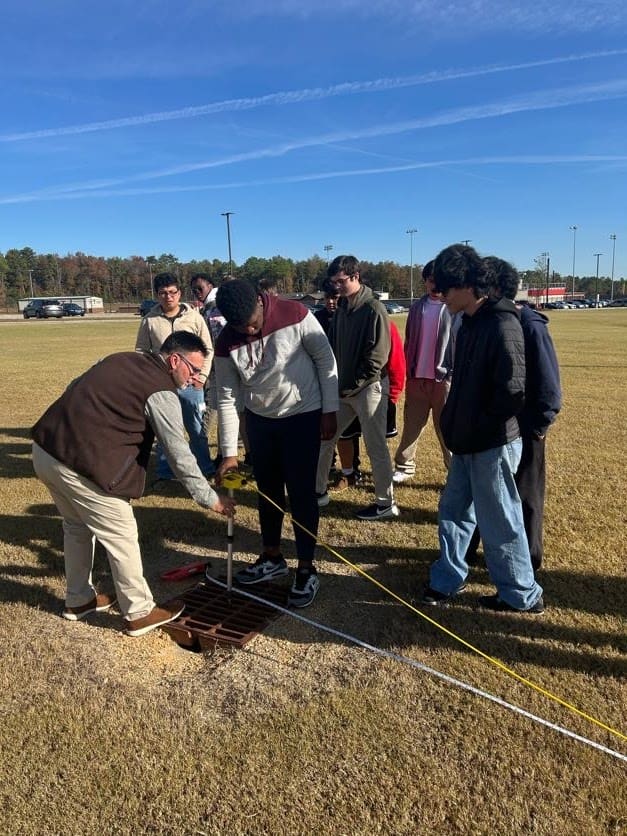
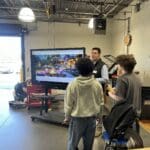
Typically, he also takes one of his landscape architects or another individual who has gone to college and presents the students with the two paths to the industry and the opportunities they offer.
This approach allows them to find a set of students who don’t see college as their next step and show them how learning the landscape trade can lead to a successful career.
“We’ve leaned on NALP resources to show students that this industry offers real earning potential, including six-figure roles,” Richardson says. “That helped build excitement, but it also made us realize we needed a meaningful next step beyond just saying, ‘Come work for us.'”
This is why they started their 10-week high school immersion program, which allows students to join a crew and start at $15 an hour. In addition to working on a crew, they also pick a track to focus on, such as construction, maintenance, hardscape, softscape, or irrigation.
“Instead of rotating students every couple of weeks, we let them spend the summer focused on one core area,” Richardson says. “Every other week, they also join our company-wide ‘Working Smarter’ session to learn practical skills they can use in the field.”
Students in the program also have the option to attend a leadership and entrepreneurship-focused meeting on Thursday evenings, where Richardson shares best business practices, such as reviewing a P&L and developing a business plan.
For the first year of the program, they had 15-16 students apply, and of those applicants, Father Nature brought on three. He says they chose to limit the number of high schoolers they took on so they had enough work to keep them busy and give them real experience.
“What we didn’t want to do is have 10 high school students sitting there at two o’clock every day figuring out what are they supposed to do the rest of the day,” Richardson says. “We wanted them to have an immersive experience.”
Of the three who went through the immersion program last year, one student graduated and went on to a trade school, and the other two are eligible to return to work for Father Nature this summer as they haven’t graduated from high school yet.
Richardson says these students have the opportunity to receive a pay bump and additional responsibilities if they apply themselves.
“If someone gives us two summers while they’re still in high school, it gives them an opportunity to start at a higher pay rate when they come on full time,” Richardson says. “We’re able to bypass a lot of the inefficiency that typically happens in the first 90 days.”
Connecting with Local Organizations
Another new partnership Father Nature is exploring is the organization Champions Craft Academy.
“What we’ve been so excited about with Champions Craft Academy is this is a well-led immersive working experience for a student,” Richardson says. “When they show up in the morning or in the afternoon, whichever shift they’re working, they clock in, and they go through safety training, then get true hands-on training and experience in a trade path they choose.”
Students have a number of tracks to choose from, such as carpentry or HVAC, that they can study.
Richardson says they have the opportunity to come speak to students at the academy several times a year and share with them what they do.
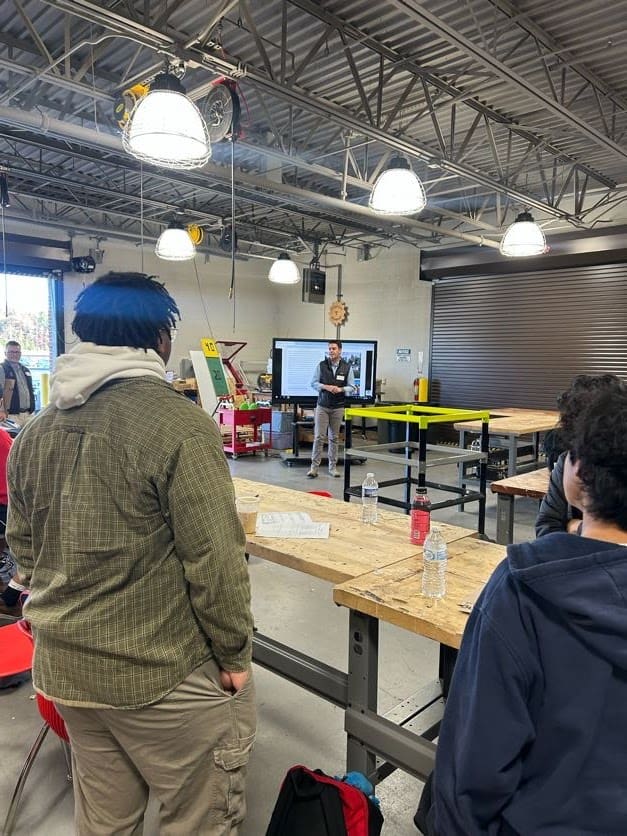
“We’re able to tell carpentry students about the type of work we do, explaining how the skills they’re learning now could allow them to come work with us building fences, custom gates, pergolas and beautiful outdoor spaces,” Richardson says.
What makes Champions Craft Academy particularly unique is that in May, students can choose a company they’d like to work for in an internship. All the participating businesses commit to paying a standard rate, so the student has to decide where they’re going, not based on pay, but based on the industry they want to work in.
“As a smaller business competing with companies that have thousands of employees, that standardized pay structure really levels the playing field,” Richardson says.
Father Nature also collaborates with Manufacture Good, a local nonprofit that runs three-month apprenticeships for a variety of people, such as those dealing with homelessness or who have spent time incarcerated. This gives them the opportunity to work within a business where they learn a skill.
Richardson says they speak at Manufacture Good once a quarter and share the different open positions they have available. He says they do still struggle with some individuals assuming landscaping just means mowing, but they’re working to produce resources that advocate on their behalf.
Richardson encourages others to get plugged into their local community and find organizations that are passionate about helping people get into the trades. He adds that the individuals they’ve found from these programs last longer than candidates they find on Indeed and have a better attitude.
”If you’re willing to look and make the time commitment, there are plenty of programs and organizations doing great work,” Richardson says.
By speaking to these organizations proactively, Richardson says he is able to paint a picture of what they are building at Father Nature, and individuals can decide if it’s something that they want, rather than coming to them out of desperation for a job.
He acknowledges that programs like this won’t allow you to find 2,000 employees, but if you’re trying to hire around 20-30 individuals, this is a good method to consider.
“Don’t get disheartened if people don’t respond right away,” Richardson says. “We probably have reached out to 15 schools to have three that now we would say we call, and they let us come. They’re advocating for us. It takes time and get creative with it.”