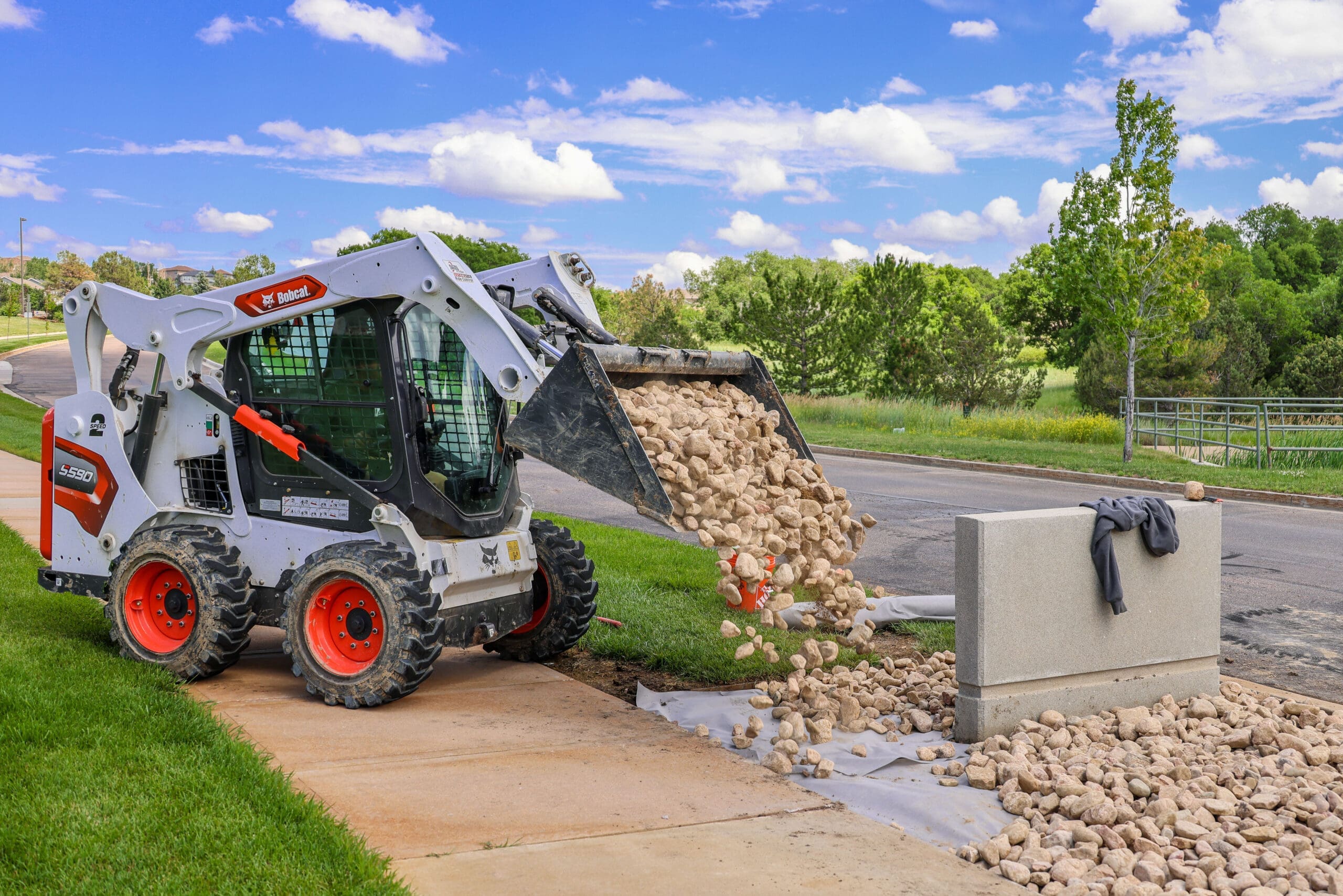
How many times has this happened to you? You interview a candidate who checks all of your boxes and answers the questions perfectly. Yet when they join your company, you quickly discover they lack the work ethic and team skills needed to succeed in the field.
This can be a frustrating, but common phenomenon in the landscape industry, but it doesn’t have to be this way. Integrating working interviews into your hiring process can help both you and your job candidates truly determine if they are the best fit for a position.
Fisk Lawnscapes, based in Colorado Springs, Colorado, implemented working interviews into their hiring process back in 2017 after rethinking their hiring process and being influenced by the book, “The Ideal Team Player” by Patrick Lencioni.
“That book really challenged us to think beyond just skills and experience, and instead focus on qualities like humility, hunger, and people-smarts, which are traits that are incredibly important in a team-based, hands-on environment like ours,” says Katelyn Milanes, director of culture and employee engagement for Fisk Lawnscapes. “We realized that those characteristics are hard to accurately assess in a traditional interview setting.”
Milanes says that working interviews also give candidates an honest look at the role, the pace, and the expectations of the job.
“It allowed us to move from hypothetical conversations to real-world observation, and it’s become a cornerstone of how we hire for long-term success,” Milanes says.
Pros of Working Interviews
One of the main benefits of working interviews is it allows for better alignment. Candidates can have a real experience of what the job entails, and companies gain better insights into an individual’s cultural fit and long-term success.
“We view that as a success on both sides,” Milanes says. “The working interview ensures that when we do extend an offer, it’s to someone who not only has the skills, but who has experienced the work firsthand and is confident it’s the right fit for them and for us.”
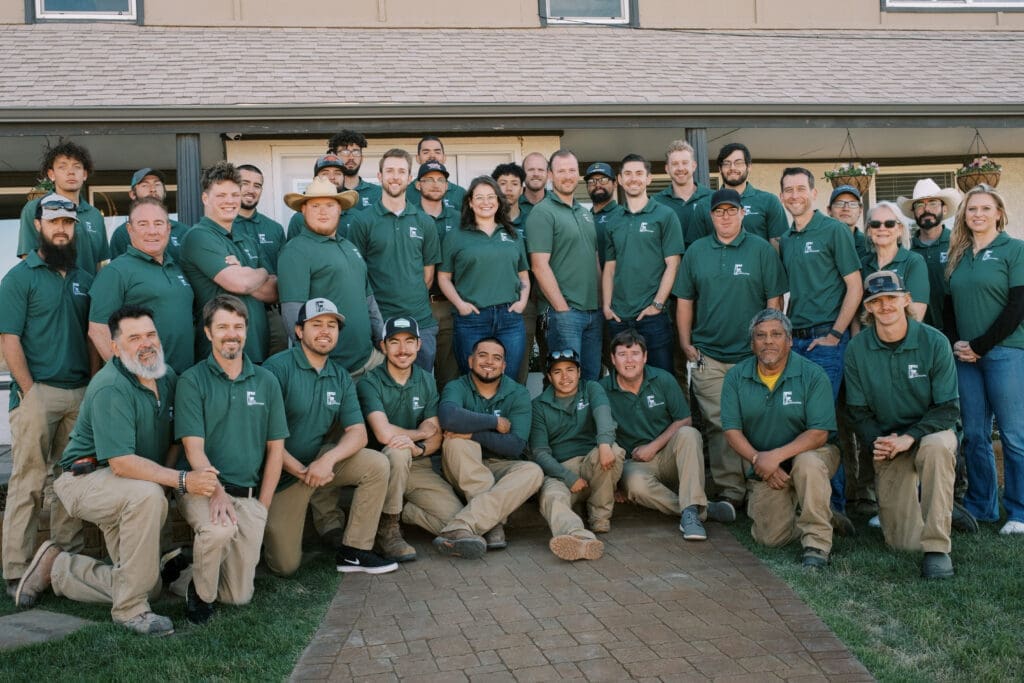
Seeing how candidates work in the real world lets you evaluate what really matters on the job.
“You’re not just assessing how well someone interviews,” Milanes says. “You’re seeing their work ethic, attitude, ability to take direction, interact with a crew, and handle the physical demands of the role in real time. Those are the factors that ultimately determine success in the field.”
Milanes adds that when candidates already know and understand the demands and pace of the job, they know what they are signing up for, reducing early turnover. She notes this mutual selection also helps build transparency and trust from the very beginning.
Fisk Lawnscapes has had a strong success rate with this tactic as about 80% of the candidates who participate in a working interview day move forward to being hired. For the other 20%, Milanes says the candidates typically self-select out after experiencing the role firsthand.
Additionally, Milanes says this process also empowers their foremen to have a voice in the hiring decision.
“They work directly with the candidate throughout the day and provide valuable insight into how that individual contributes to team dynamics and job performance,” Milanes says. “We believe this shared ownership leads to stronger teams and better long-term outcomes.”
Cons of Working Interviews
While this hiring strategy does have strong advantages, it does come with its own set of drawbacks. The biggest challenge of implementing working interview days is the time and resource investment.
“Pulling a candidate into a full day in the field requires coordination, supervision, and some level of productivity tradeoff for the crew hosting them,” Milanes says. “We also pay these candidates for their time, whether we extend an offer of employment or not.”
Milanes says there are also risk management and compliance considerations, as you have to be mindful of safety and ensure the candidates are properly prepared and the work is structured appropriately from an HR and legal standpoint.
It’s also important to ensure consistency so the evaluations and candidate experiences are similar regardless of the crew they’re working with.
Lastly, implementing working interviews can shrink your candidate pool as not everyone is willing or able to commit to a full working day, but Milanes has found this merely helps them filter for the right people.
How It Works
Fisk Lawnscapes tailors their working interview to the position they’re hiring for. For field team roles, after a successful in-person interview, the candidate is invited to spend a full 8-hour day out in the field with the specific crew they would potentially be joining.
“During this working interview, the candidate is fully immersed in the day-to-day experience of the role,” Milanes says. “They’re not just observing. They’re actively participating alongside the team. This allows us to evaluate key qualities that are difficult to assess in a traditional interview setting, such as their interpersonal skills, comfort and familiarity with equipment, work ethic, and overall grit.”
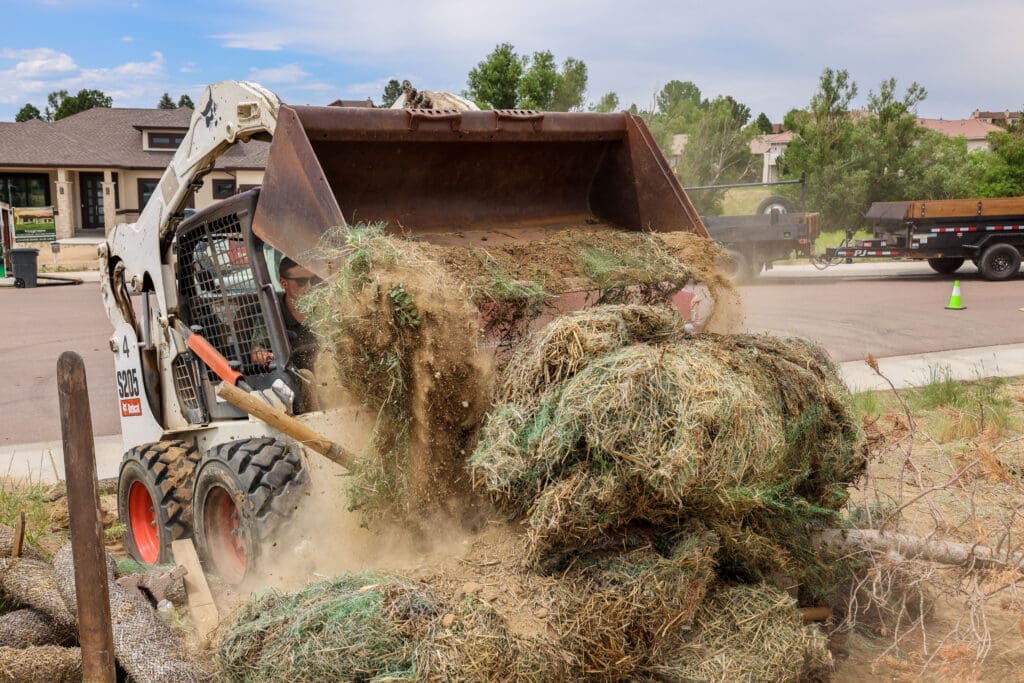
Candidates meet the crew at the jobsite in the morning, are introduced to the foreman and team and briefed on the scope and receive any necessary safety guidance. As they work alongside the crew, Fisk Lawnscapes observes how the candidate takes direction, communicates with others and approaches the work itself.
“There’s typically ongoing, informal feedback and coaching from the foreman during the day, and afterward, we connect internally to evaluate the experience,” Milanes says. “In many cases, we’ll also check in with the candidate to hear their perspective. Ultimately, the goal is simple: give candidates a true ‘day in the life’ experience while giving our team a clear, real-world view of how they show up on the job.”
Milanes says working interviews are best suited for roles where success is highly dependent on how someone shows up in real-world situations.
She says even their project managers participate in a working interview day where they engage in scenarios such as working with a landscape design and prioritizing tasks or working through live problem-solving exercises.
“This allows us to evaluate how they lead, communicate, and make decisions in context, not just in theory,” Milanes says. “Overall, if the role requires collaboration, adaptability, and execution in real time, a working interview is one of the most effective tools you can use. It brings clarity to both sides and leads to stronger, more aligned hires.”
Advice for Others
Milanes acknowledges that working interviews require coordination with your team and some level of reduced productivity as the crew trains and evaluates the candidate throughout the day. However, this upfront investment can be well worth the effort.
“A standard interview process may be quicker on the front end, but it often relies on assumptions rather than real-world data,” Milanes says. “That can lead to ‘bad hires,’ which are far more costly in the long run when you factor in onboarding time, lost productivity, impact on team morale, and the need to rehire and retrain.”
Rather than making hiring decisions based on conversation alone, working interviews allow you to decide based on observed performance, team fit, and a candidate’s true understanding of the role.
If you do decide to implement working interview days, start simple and be intentional.
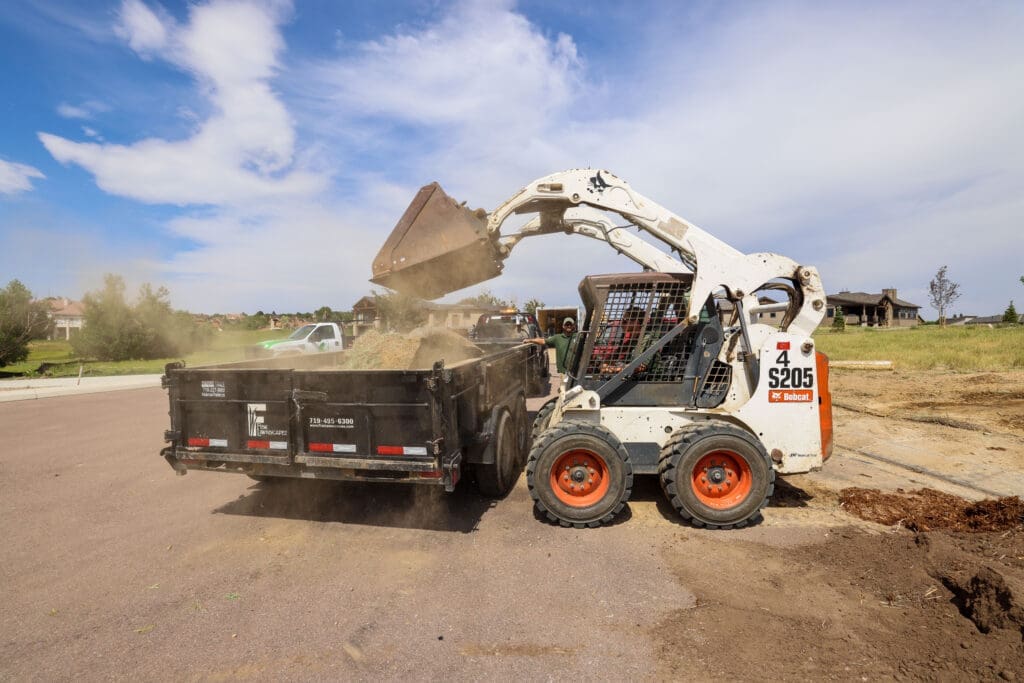
“You don’t need a perfectly built-out program on day one,” Milanes says. “Try to create a structured, consistent experience that gives candidates a real look at the job while giving your team clear criteria to evaluate against.”
She also recommends getting your field leaders involved early, as they are closest to the work and understand team dynamics.
“At the end of the day, this approach leads to stronger hires, better team dynamics, and improved retention,” Milanes says. “In an industry where turnover can be high, and the cost of a bad hire is significant, the working interview is a simple but highly effective way to hire smarter and build more cohesive crews.”
Key Takeaways
- Working interviews give both employers and candidates a realistic, hands-on understanding of the role, improving alignment and long-term fit.
- Observing candidates in real-world conditions reveals critical traits like work ethic, attitude, and teamwork that traditional interviews often miss.
- While resource-intensive, working interviews can reduce costly bad hires and early turnover by ensuring mutual buy-in before an offer is extended.
- A structured, consistent approach with input from field leaders helps maximize the effectiveness of working interviews and build stronger teams.