


It takes time and money to develop quality managers on your team, so the last thing you need is for them to walk out the door. Additionally, the tenure of your managers has a direct impact on the trust you are able to generate with your clients and other team members.
“The retention of these managers will lead to higher sales, better quality, and an example for new employees of what success looks like in this role,” says Mackenzie Payne, branch manager for the residential division of Southern Botanical, Inc., based in Dallas, Texas. “As managers grow in our company, our client retention also improves. The more team members that our clients know the better the client experience becomes.”
The Foundation for Retention
In the competitive workforce market, it’s easy for your top-performing managers to be approached by recruiters, but if you have a strong foundation in place, your employees will be far more likely to choose to stay with you long term.

Southern Botanical recently spent time addressing their account manager retention rate by increasing their salary and benefits to make it easier for them to turn down offers from competitors. Payne says they also openly discuss when recruiters are active with their teams.
“The goal is to make it so any concerns or conversations they need to have to feel secure and happy with their current position occur routinely with their manager,” Paynes says. “Evaluating our salary and benefits on a regular cadence to ensure they are competitive, putting career development plans in place so people understand what their future at the company can look like, and overall treating our people well largely negate this issue.”
These changes allowed Southern Botanical to retain 100% of their account managers in 2025.
Scott Myatt, owner of Myatt Landscaping & Construction, based in Fuquay-Varina, North Carolina, says they also conduct annual reviews that include a pay raise.

Myatt Landscaping has a 91% percent retention rate for their managers, and their average tenure is 13 years with the company. Myatt credits this to the fact that they don’t micromanage, most of their managers are promoted from within, and they show their appreciation regularly.
“I think it’s very important to acknowledge people for their hard work and their dedication,” Myatt says.
Myatt says aside from fair compensation, managers want to hear they’ve done a good job and that you appreciate it. He says they’ve also host company outings where they’ve taken their managers to go hunting or golfing.
“I still believe people just really appreciate it when you tell them thank you,” Myatt says.
Payne says they also make a point to celebrate milestones that team members hit, showing them that what they do and achieve matters to the company. She adds that even celebrating personal milestones like birthdays, weddings, the birth of a child or moving into a new home can all go a long way to making managers feel valued.
Keeping Managers Engaged
Beyond fairly compensating and appreciating your managers, you need to ensure that you are providing them with growth opportunities or enough challenges to keep them engaged.
“If you fairly pay and you give them a challenging role, they will wait until there’s room to grow, but we typically have room to grow because we’re a growing company,” Myatt says. “There seems to be plenty of opportunities for people.”
Payne says that putting career growth development plans in place for their top performers has played a major role in improving their retention. They also ramped up their training so their account managers feel equipped with the soft and hard skills needed to do their job well.
“They know we are invested in them and can see a clear pathway to continued growth within the company,” Payne says.
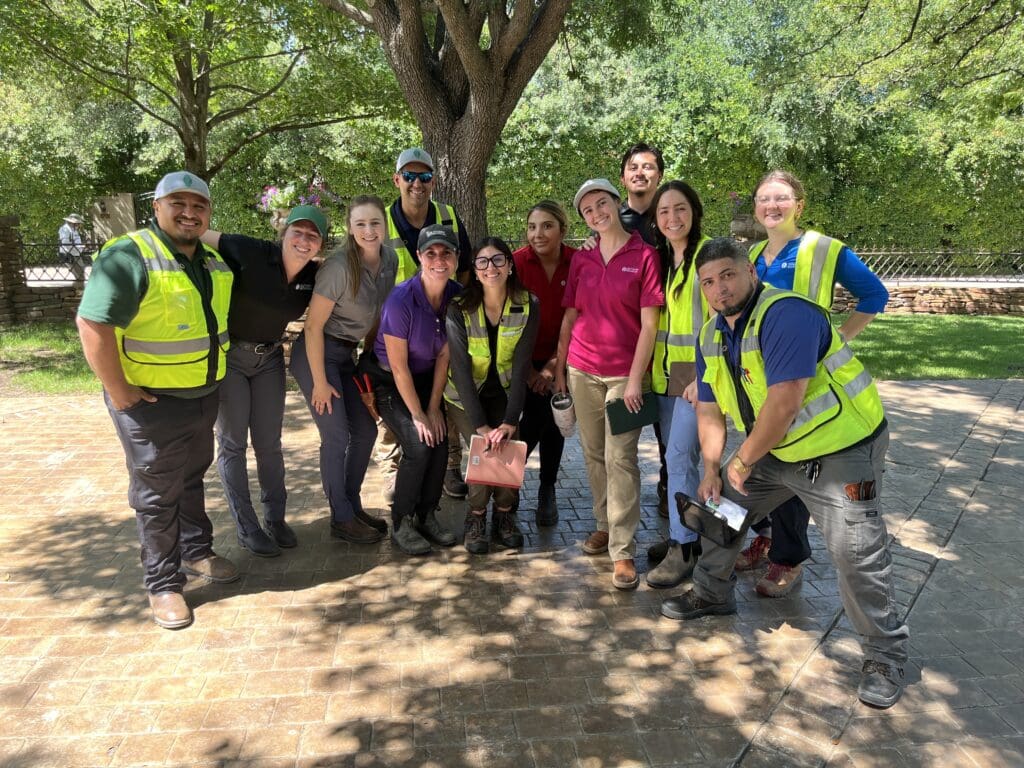
Southern Botanical also implemented Intention Plans for Success for every position in their company, which outlines how employees should spend their time daily to accomplish their KPIs.
“When processes are shared, implemented, and expectations are clear, there is no need for micromanaging and instills trust and confidence in the manager,” Payne says.
Payne says that often when a manager expresses a desire to leave for additional pay, she finds out it’s not just about money. The manager may feel there is something they are not receiving from Southern Botanical that they can get elsewhere.
“Once I have that out in the open, I can then find the middle ground for achieving what that they are looking for while also keeping the good of the business in mind,” Payne says. “These discussions typically also come with a career plan discussion if one has not already been had to ensure they know we are fully invested in them.”
Southern Botanical makes a point to help team members reach their career goals, especially when they express an interest in a certification or training that will further their career and knowledge.
“Remember that your managers are each building a career to support their families/lifestyles,” Payne says. “Identifying early on what their personal and professional goals are and then taking action to get them there will show them their value to the company.”
Aside from supporting career paths, providing your managers with autonomy empowers them to feel truly invested in the business.
“They know their job, and they know what it takes to get it done,” Myatt says. “They’re running their own little companies. Their book of business is theirs, and they’re there to take care of it.”
