

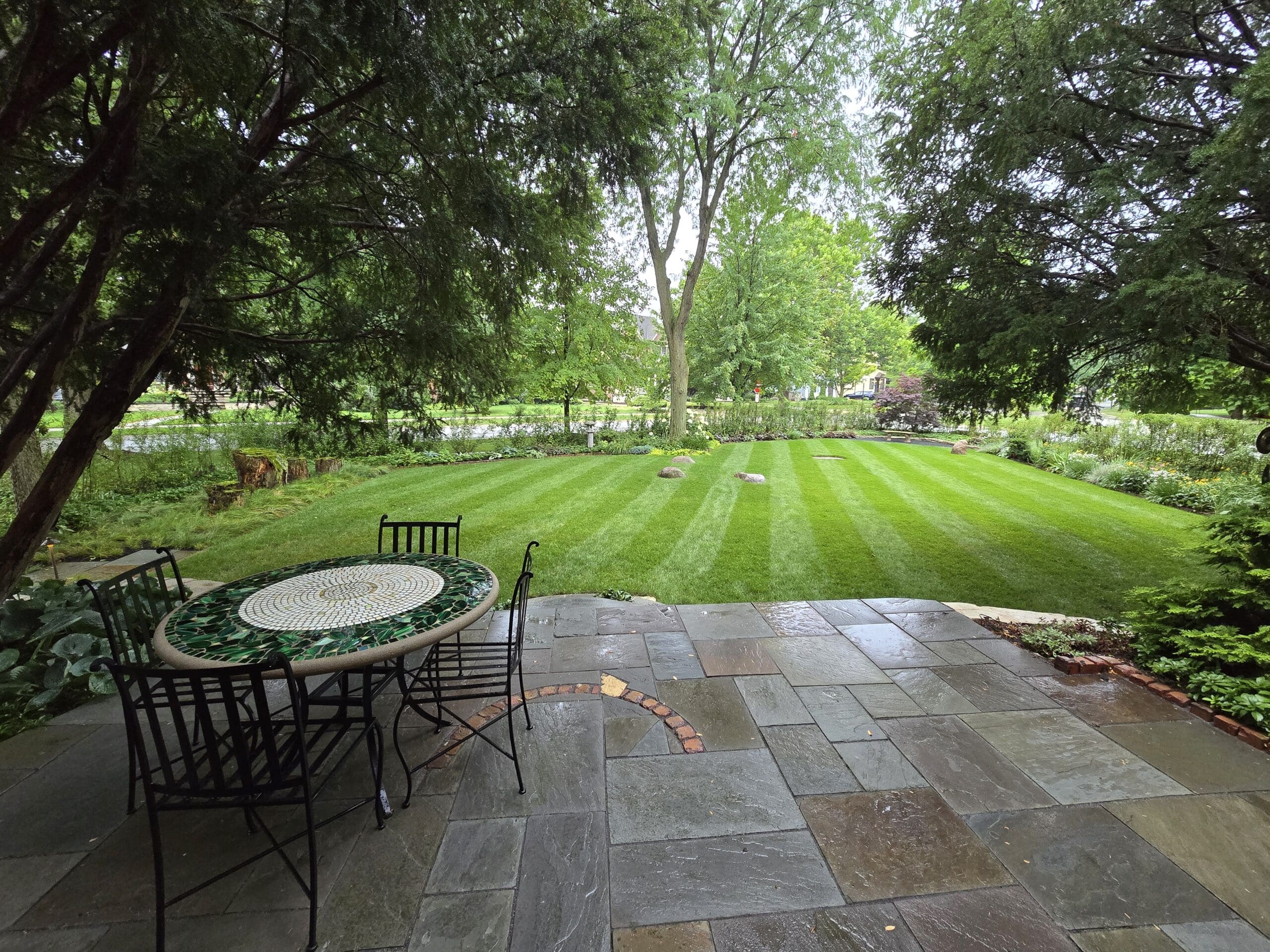
After 30 years of designing landscapes, Tom Lupfer was getting bored.
“There are only so many ways to arrange plants, patios, and retaining walls before everything starts feeling familiar,” says Lupfer, president of Lupfer Landscaping, based in Lyons, Illinois. “I wanted a deeper meaning behind what I was doing.”
While reading Matsuo Bashō’s poetry, Lupfer realized the poems weren’t about nature but about how people experience it. This led him to Japanese garden design and studying the broader philosophy behind them.
“I’ve been studying Japanese design for over a decade, but it wasn’t until about five years ago that I felt confident enough to begin applying those principles intentionally in my own work,” Lupfer says.
What Are Japanese Garden Design Principles?
The main philosophy of Japanese garden design is that it is representational.
“A garden might evoke a mountain landscape, recall a distant place, support meditation, facilitate a ritual, or commemorate a person,” Lupfer says. “The point is that the garden exists for a reason beyond beauty. That is one of the biggest differences between Japanese and Western traditions. In the West, beauty is often the destination. In Japan, beauty is a vehicle.”
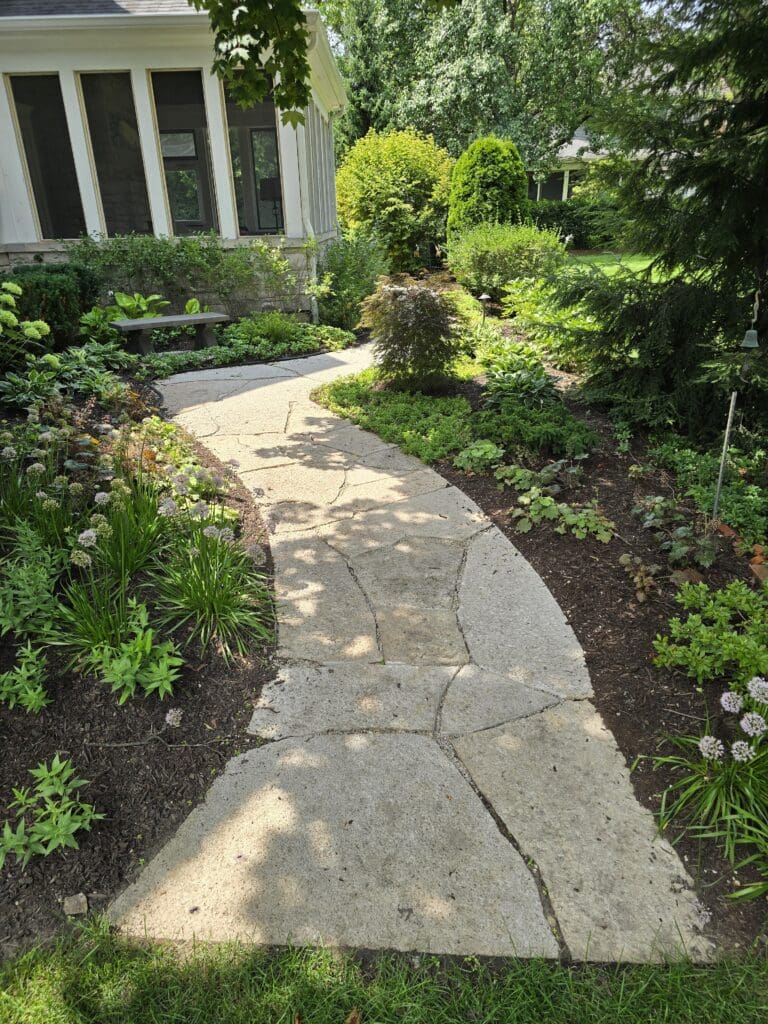
Photo: Tom Lupfer
Lupfer says with this mindset, the question always is ‘Why are we building this garden?’ Once that question is answered, the design begins to reveal itself.
Lupfer explains that while Western design begins with imposing order and focuses on man’s control of nature, Japanese design starts with observation.
“The designer studies the site and asks a different question: What does this place want to become?” Lupfer says.
Japanese design doesn’t focus on domination of a space, but its refinement.
Lupfer says the main benefit of following a Japanese garden design philosophy is it allows him to create landscapes that are more than beautiful.
“I am creating landscapes that can actively benefit the people who use them,” Lupfer says. “Japanese design also creates more dynamic gardens. Movement, pacing, sequence, and discovery become part of the design. The viewer is engaged rather than simply presented with a finished composition.”
Japanese Garden Aesthetics Versus Japanese Design Principles
Lupfer says he rarely describes his work as following Japanese garden design and few clients request it directly.
“What I hear instead is, ‘I saw a garden you designed, and it really spoke to me,’ or ‘I don’t know why, but I felt something when I walked through it,’” Lupfer says. “That’s usually the clue.”
He explains that when clients respond to the experience of the garden rather than its appearance, the Japanese principles are already at work.
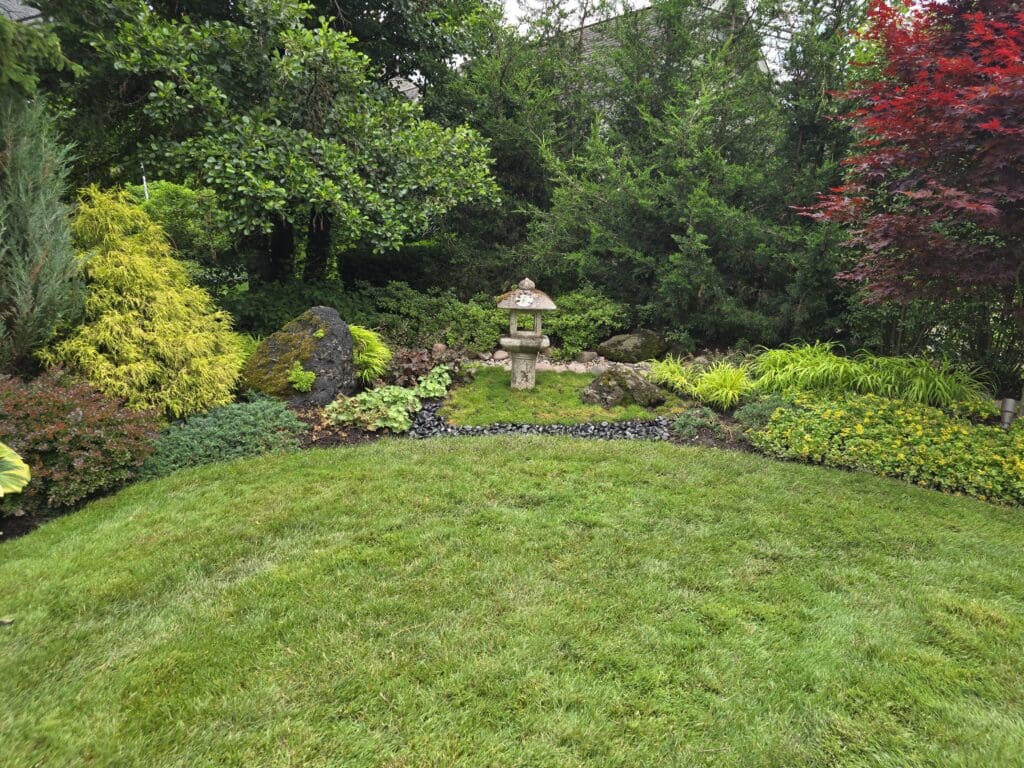
Photo: Tom Lupfer
“The clients who are actually looking for what Japanese gardens do rarely use the word ‘Japanese’ at all,” Lupfer says. “They want a place to slow down. They want a garden that helps them decompress after work. They want somewhere to think, reflect, or reconnect with family. Those are the clients who are really looking for a garden designed according to Japanese principles.”
On the other hand, Lupfer says those who specifically ask for a Japanese garden are typically looking for the aesthetic.
Lupfer says he uses the Socratic method and asks clients questions to determine which sort of space they’re actually looking for.
“Instead of asking what they want the garden to look like, I ask how they want to use it,” Lupfer says. “How do they want to feel when they’re there? What role should the garden play in their lives? A Japanese-looking garden is primarily concerned with appearance. A Japanese-inspired garden is concerned with experience.”
If the client talks about slowing down, creating a retreat, or spending meaningful time outdoors, they can benefit from having a landscape designed with Japanese garden principles.
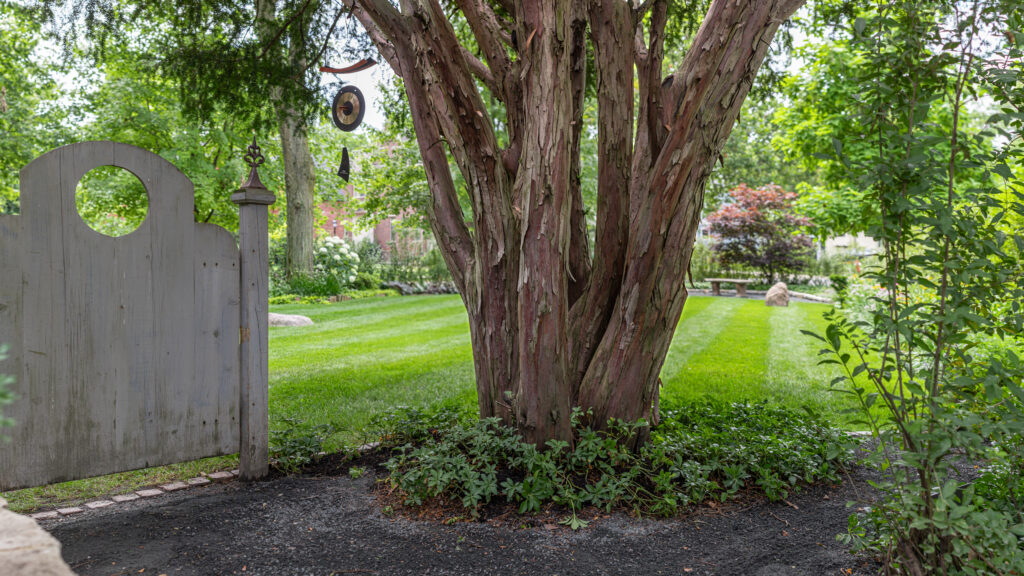
Instead of using stereotypical Japanese plant material, Lupfer starts with the local climate, as a garden should belong to its place.
“Moss is difficult to grow where I live, but pachysandra can create a similar effect,” Lupfer says. “Likewise, I often choose plants that naturally thrive in both Japan and the Midwest.”
He argues that more important than the species is the plant’s form, maintenance and relationship to other surrounding elements.
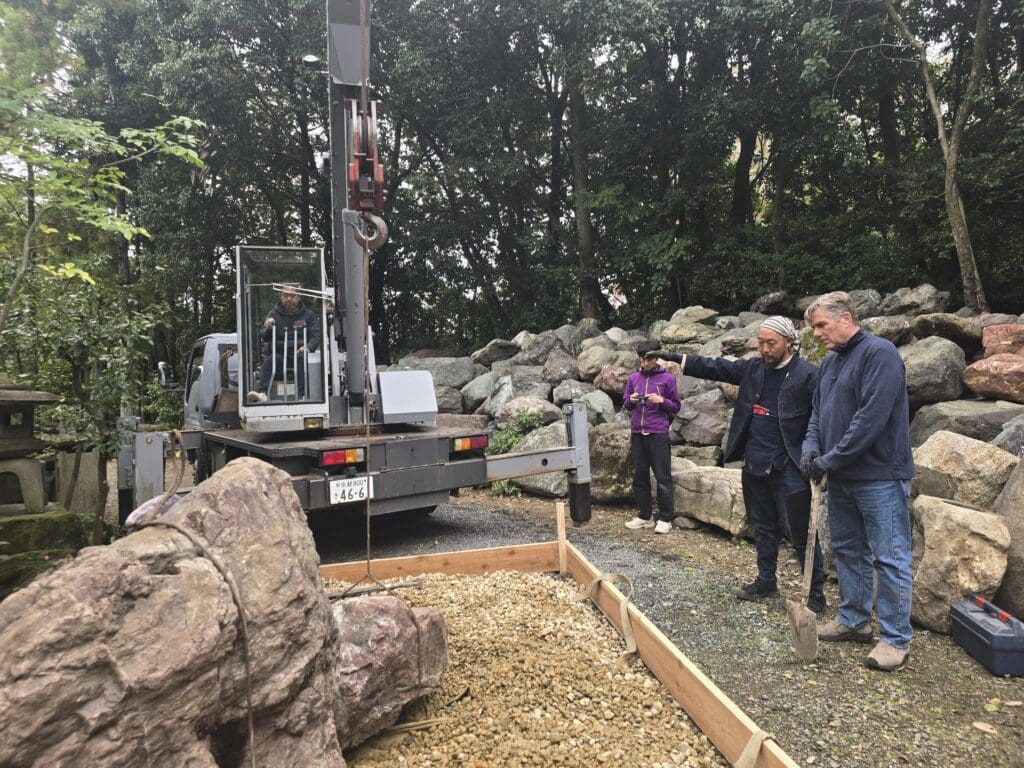
Photo: Tom Lupfer
“The one thing I consider essential is stone,” Lupfer says. “Stones are so central to Japanese design that the title Sakuteiki is often translated as The Art of Setting Stones. Stone provides structure, permanence, and meaning in a way that few other materials can.”
An example of a landscape that uses Japanese design but doesn’t look Japanese is a ritual garden, based on the tea garden tradition where, through a series of thresholds, pauses and transitions, a person can leave behind the concerns of their daily life.
“The garden can be English, contemporary, prairie-inspired, or completely regional in character,” Lupfer says. “The style doesn’t matter. What matters is that the garden guides the visitor through an intentional sequence that calms the mind and changes their state of awareness.”
Mistakes to Avoid
Lupfer acknowledges it can be a challenge to avoid copying Japanese gardens or including stereotypical elements like lanterns, maples and bridges. He says these tend to fail when designers start with elements instead of philosophy.
He says instead you need to determine why you are building the garden first, then how the garden should function and be experienced. Only then should you decide what elements are necessary. Lupfer says the most common design mistake is not knowing why the garden is being built.
“My design process starts with framing and enclosure, then creating the voids and accents, then balance through asymmetry and triads, followed by volumes and planes,” Lupfer says. “Symbolism comes later. Once those foundations are in place, the garden can be expressed through almost any regional style. It doesn’t have to look Japanese to be informed by Japanese design.”
He says the goal isn’t imitation, but rather understanding.
“Most mistakes come from focusing on the visible elements before understanding the philosophy that gave rise to them,” Lupfer says.
Advice for Others
Lupfer encourages others to study Japanese gardens to become better designers.
“It teaches you to think more deeply about intention, movement, scale, proportion, and human experience,” Lupfer says. “It forces you to ask why before asking what.”
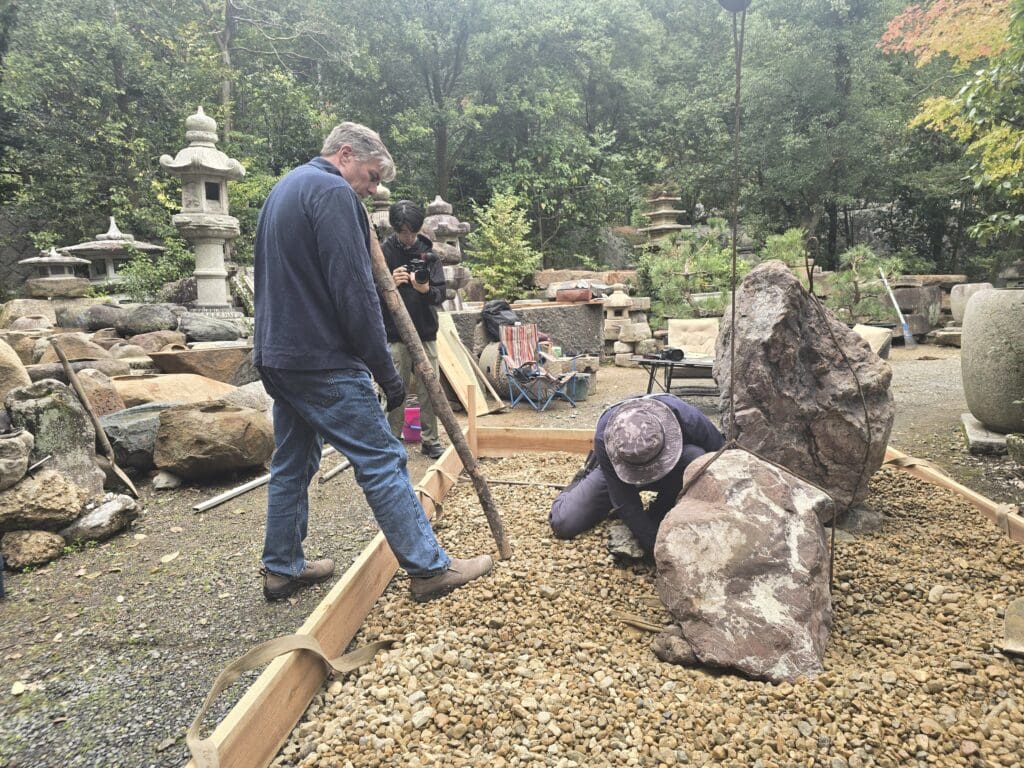
Photo: Tom Lupfer
He recommends reading Marc Peter Keane’s translation of the Sakuteiki, the oldest published text on Japanese garden making, and David Slawson’s Secret Teachings in the Art of Japanese Gardens, which provides insight into The Illustrations and the compositional structure underlying Japanese gardens.
For practical education, the North American Japanese Garden Association offers conferences, workshops, study groups, garden tours, and Japan trips. Lupfer also advises attending the Portland Japanese Garden’s Waza to Kokoro seminar. This program helps with understanding not only how Japanese gardens are built, but why.
“If you’re looking for new inspiration, or if you feel like your designs are becoming repetitive, Japanese garden design offers an entirely different way of seeing,” Lupfer says. “For me, it didn’t just change my gardens. It changed the way I think about landscapes altogether.”