

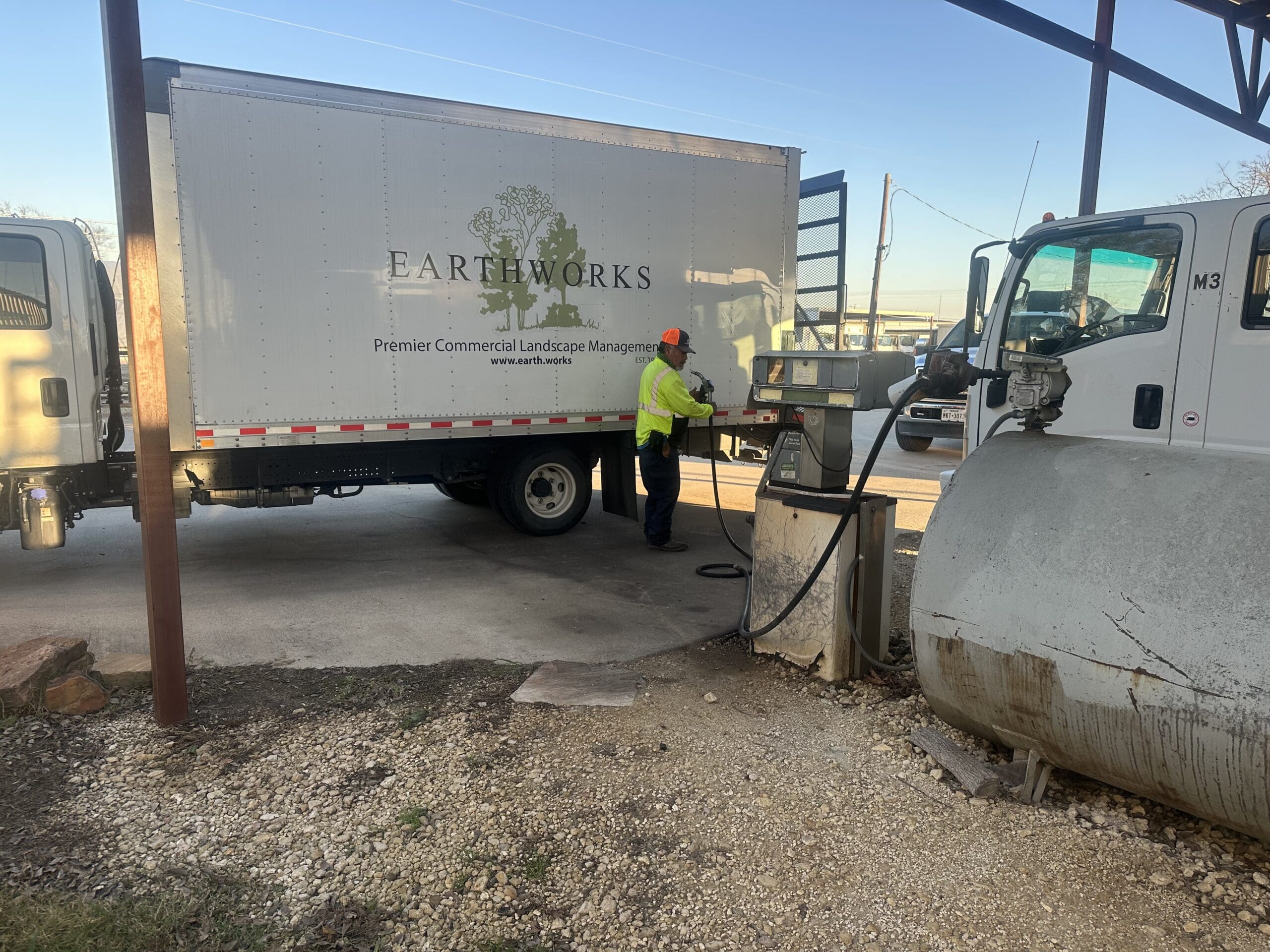
In the afternoons, it’s easy for crews to go about their responsibilities to prepare for the next day’s work in an inefficient manner.
Chris Lee, president of EarthWorks, based in Lillian, Texas, says 15 years ago he initially created a dedicated crew for these afternoon tasks in an effort to get their employees off the clock as fast as possible once they got back to the shop.
“Probably a secondary thought behind it was the importance of getting the fueling right, and the loading, and unloading,” Lee says. “The thought was having as few people involved in that process, the better. The less chance that regular gas gets put in a two-cycle gas can or diesel gets put in a gas truck, or vice versa.”
Lee says before creating this dedicated crew, trucks would mysteriously get dinged during afternoon duties, yet no one knew anything about it. He says after moving to this smaller set of drivers who are responsible for fueling up the fleet and parking the trucks, these incidents vanished.
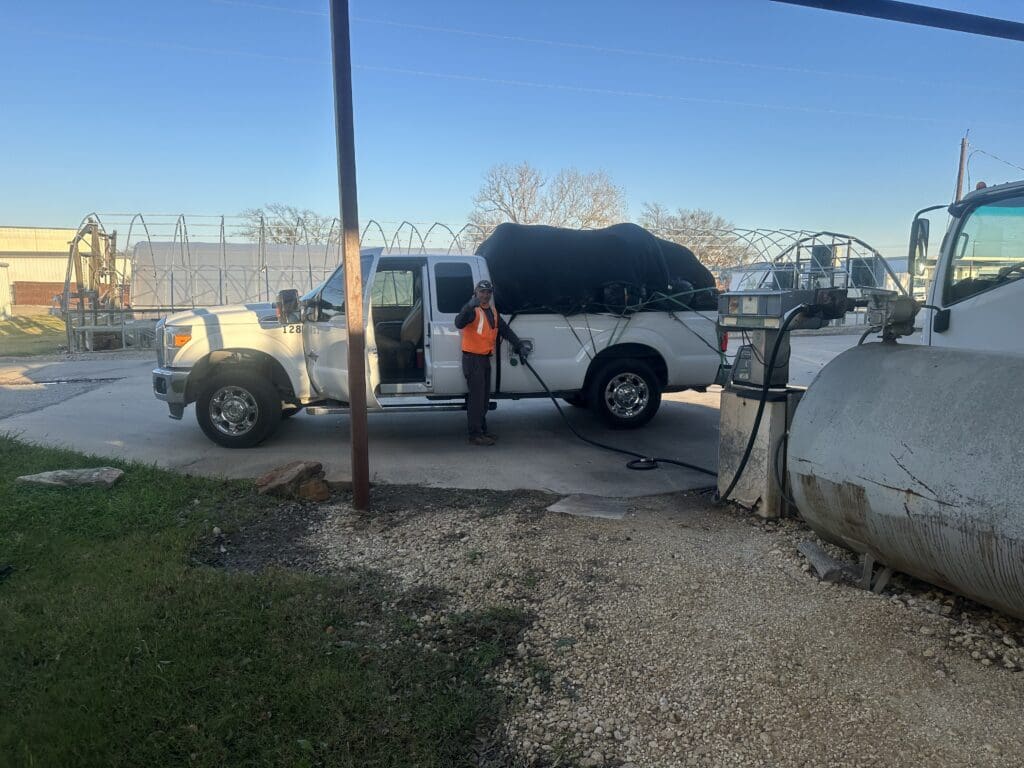
Also, he says with their specific fueling crew, it has provided an added layer of security. With their fueling station at the back of yard, it limits the number of people who are back there unsupervised.
“It limits temptation because there’s only four guys back there,” Lee says. “They’re the only guys back there. There are no personal vehicles back there so it gives us more security over theft.”
Lee says when crews returning the evening, their only job is to let someone know if there is any damaged or broken equipment that needs to be taken to shop.
From there, the unload crew will throw away any debris in the truck and load material like mulch that is needed for the next day. Additionally, they will fuel up the trucks and all the equipment.
“The next morning, we don’t want the crews doing anything more on-site other than getting in the truck and leaving, because we’re not efficient at that,” Lee says.
Lee says by having one specific team tasked with unloading and fueling, they have become very efficient and can get the work done much faster. He says the way they look at it, they are removing some of the admin functions from the crews and allowing them to focus on what they’re really good at like irrigation repair and plant install.
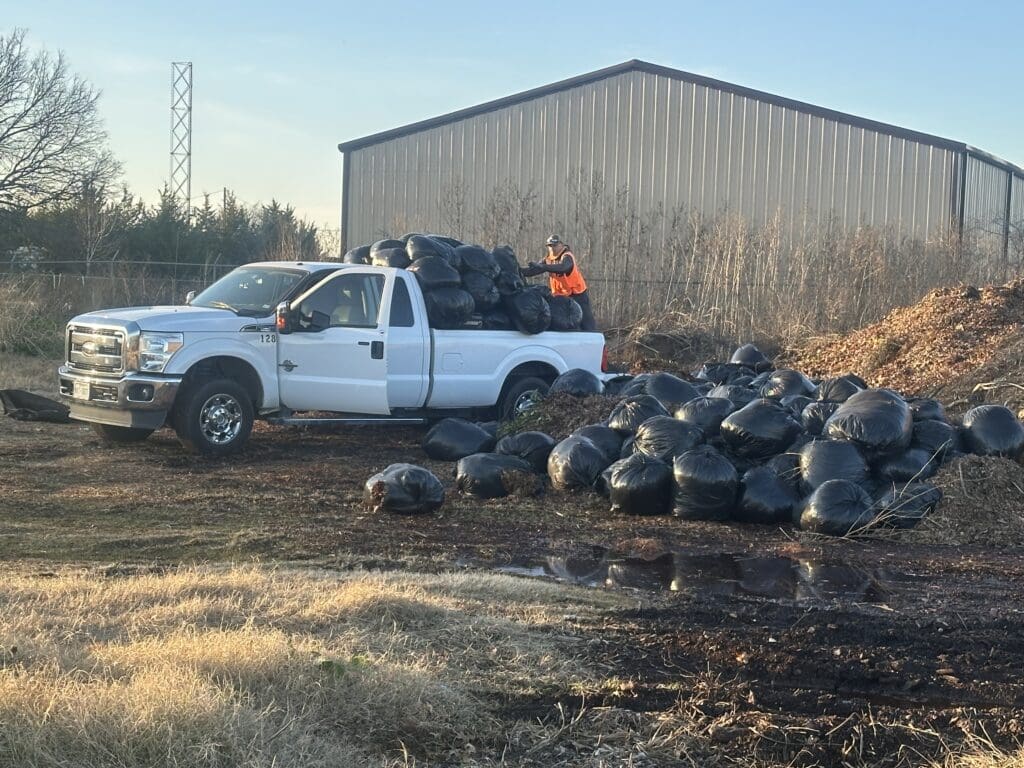
“Let’s keep them focused on that,” Lee says. “Let’s use that eight hours a day to do that productive work, rather than seven hours to do that, and half an hour to load up in the morning and mill around, and half an hour in the afternoon to unload and mill around.”
Lee says their four-person unload crew typically unloads debris, fuels and parks 20 to 25 trucks in a day, depending on the location.
While their normal crews are dispatched around 6:30 a.m., the unload crew comes in around 8:15 a.m. and dispatches at 8:30 a.m. Lee says they will typically go do five hours of work and then come back to the shop and prepare for the fleet to come back.
As different crews return at various times, they get them organized for the next day. They stay at the shop about 45 minutes to an hour after the last truck arrives.
Lee says consistency is key for these unload crews and three out of the four shops have had the same foreman from day one. He says for certain employees the ability to come in later is appealing.
“One of the things that is important for the functionality of that crew, though, is to have a foreman or some guys that are multi-talented,” Lee says. “They’re not going out to do the same thing every day. One day, they may be going out to put mulch down. The next day, they may be going out to do a creek cleanup. One day, they’re going to catch up on pruning.”
In order to have an unload crew, you need to have enough odd jobs that can provide them with work during the day but still allows them to get back to the shop in a timely manner.
“The biggest thing is wrapping your head around what their responsibilities are going to be and how you’re going to utilize them during that window of time during the day that they don’t have any responsibilities at the shop,” Lee says.
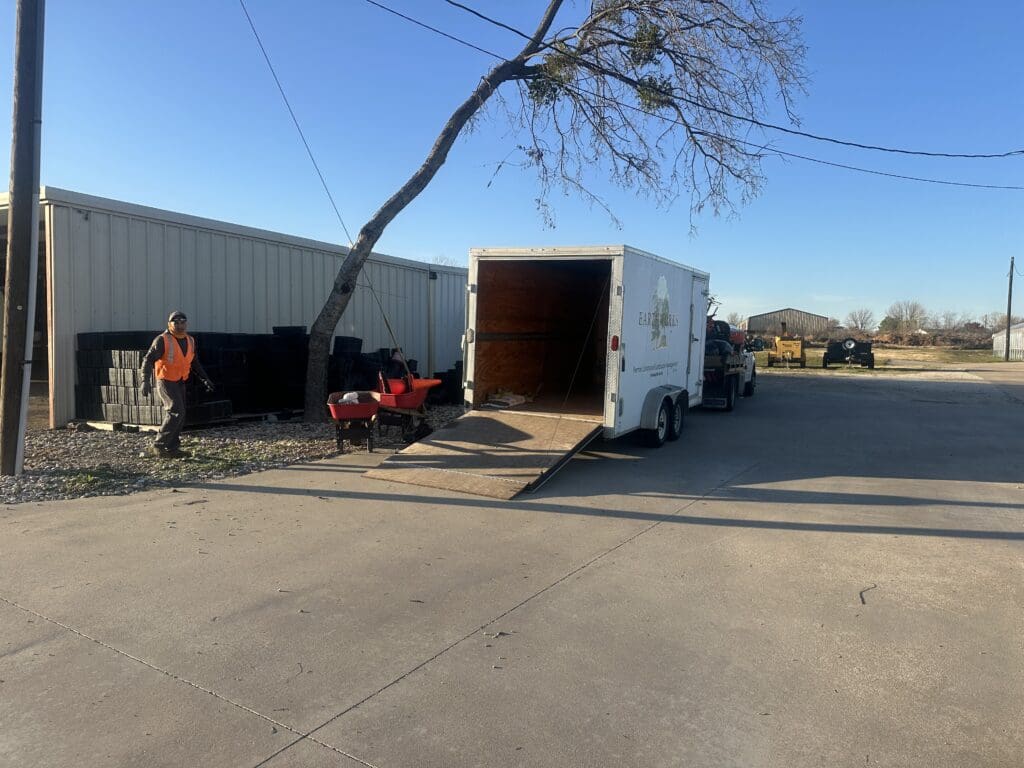
Even if you don’t have a fuel pump on-site, Lee says having a dedicated unload/fueling crew can be beneficial as you’re limiting the people with credit cards for the gas station and the team isn’t meandering around in the convenience store in the morning.
“I think if you’re at seven or eight trucks, maybe even six, it makes sense,” Lee says. “As your fleet grows and those needs change on site, then you just shift what that crew is doing.”
Lee says their team loves this model because they get to focus on what they’re good at all day long.
“When they get back to the shop, they’re done,” Lee says. “You don’t have to come in in the morning and round up people and go get a tractor and go put five yards of mulch on the trailer while everybody stands around and watches one guy with a tractor because there’s nothing for the other guys to do. We’ve cut out all of that. They can just come to work and do their job.”
