

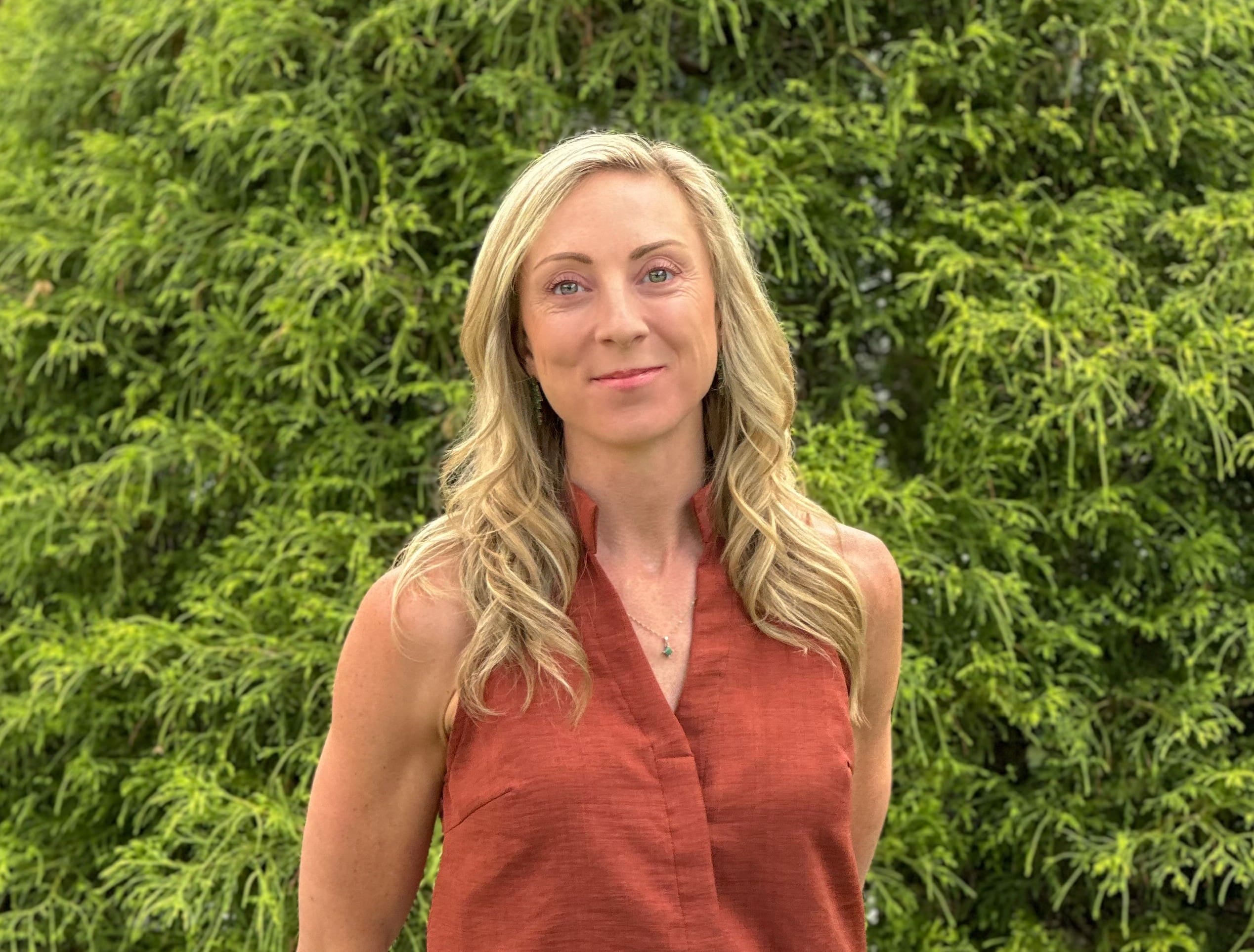
Photo: Focal Pointe
Focal Pointe, based in Caseyville, Illinois, has been growing at a rapid pace and to ensure the brand’s purpose of beautifying the world and enriching lives stays strong as well, they have created the director of purpose role.
“We just want to have an impact on lives, and that’s really hard to do over four states,” says John Munie, founder and president of Focal Pointe. “How do you make that a consistent experience, regardless of who you are coming in contact with Focal Pointe?”
When Focal Pointe began expanding outside of St. Louis and southwest Missouri, Munie expected there would be some erosion of the customer experience or employee engagement. Contrary to his expectations, they have not seen a break down in these areas. In fact, the impact they’ve been making with their customers and employees has never been higher.
“We’re not trying to fix something,” Munie says. “We’re trying to scale something.”
To do this, Munie recognized he needed a champion who understood his vision and Focal Pointe’s place in the world.
He says they strive to provide a white glove experience for all of their clients. When Focal Pointe team members understand how their efforts make an impact, the properties look different.
“You’re not planting flowers, you’re not mowing grass, you’re creating an impact,” Munie says. “How you look, how you smile, how you throttle down when people walk by. If you understand your real purpose of why you’re there, that’s how it shows up.”
Munie says Focal Pointe’s team members serve for the joy of it.
“When you are always thinking about how you’re bettering someone else, you don’t leave trash on site.” Munie says. “You lack self-focus, and when that takes place, that courteous behavior of how you move through a property just happens.”
Finding Their Director of Purpose
Munie says when he started looking for his director of purpose, some of the traits he wanted were strong communication skills and empathy. He also wanted someone with creativity and an ability to take ideas and make them a reality.
“You have to have the ability to take on the personality of a company, understand it, and believe in it,” Munie says.
Focal Pointe ended up hiring Julie Culbertson, who has a background in bilingual education and worked on the leadership team with Trader Joe’s for the past 14 years.
Culbertson says while she grew and learned a lot during her time with Trader Joe’s, she reached a point where she began to want to do something else with a different impact. While talking to a customer she had a 10-year relationship with, she mentioned her interest in working for a landscaping company, but she wasn’t sure if any had her high standards for culture.
This customer happened to be a horticultural specialist project manager for WashU who works with Focal Pointe, so he connected Culbertson with the company.
“That serendipity brought the role to me, and the alignment was natural, energizing and authentic,” Culbertson says. “I wouldn’t be here if it weren’t for John’s purpose and his mission and his relentless spirit.”
Munie says it is beneficial that Culbertson comes from an employee-centric culture like Trader Joe’s.
“One of the biggest lessons I learned is that the employee experience is directly connected to the customer experience,” Culbertson says. “We’re not trying to force people to give something so that the customer can feel a certain way. Focusing on the exceptional and world-class employee experience brings out the best in everybody, and that’s why our customers are having these responses and this feedback that we’ve been getting over the years. The strongest organizations, I don’t think they rely on like scripts and policies and standards, they invest in leaders. They invest in culture and purpose.”
Another lesson that Culbertson has learned is that most people remember how you made them feel, more than what you said.
“The sincere care about building lasting relationships internally and externally with our clients, customers, communities, it really matters,” Culbertson says. “You always make time for it, no matter how fast paced or hard working you might feel like you need to be because you have directives and you care about efficiency and quality and numbers. You always make time for people.”
What Does a Director of Purpose Do?
Culbertson’s role with Focal Pointe is to translate the company’s vision and values into daily behaviors, habits, and standards. She will draw on employee feedback and assessment tools to help them tap into their potential and create systems, processes, and training programs to guide them in their pursuit.
Munie says this position is different from traditional HR roles that focus on compliance.
“This is about enriching lives and helping people,” Munie says. “We just believe people have the most potential, and if you’re with us, we want to help you pursue that, and that’s totally different than ‘This is what our book says. This is how we’re successful. You follow it or you don’t work here.’ No, we want you to be successful. We want you to pursue your potential. This is what we have available to help you do that.”
Culbertson says currently she is working on aligning with the company and building authentic, deep connections with the team by visiting all of Focal Pointe’s branches and working on trainings that help reinforce the company’s purpose.
She says she will work to stay open, curious and receptive as she learns about the employee experience.
“Our purpose is to remove obstacles for our employees, to be enabling, not controlling, to create a working environment where they can perform at their best and also feel connected to something bigger,” Culbertson says.
Culbertson says while anyone can teach employees awareness and professionalism, by engaging in conversations on why they show up the way they do, it helps how they execute the work to have more of a sustainable, lasting impact.
“If you don’t remind people on the regular, they default to what they think is right,” Munie says. “I think we hire well, and people want to serve, but right now we leave a lot up to interpretation, and I think we owe it to them to define that better.”
Munie says because the role is created from scratch, they are still working through how they will measure success. He says some of the metrics they’ll track to ensure clients are experiencing warmth and authenticity from Focal Pointe include their Net Promoter Score, renewal rates and new sales from customer referrals.
Munie says he will stay involved in shaping the company’s purpose and Culbertson will help him execute some of the different initiatives he’s had in mind for years.
“I want to provide birthday cards for our employees’ kids with photos of their parents working on beautiful landscapes,” Munie says. “If you knew your dad’s building an amazing company, you’d be so proud, but that’s an example.”
Advice for Others
Whether creating a similar role in your organization is a good idea depends greatly on your size and your goals.
Munie says companies on the smaller side won’t have a need for a similar position because the owner can still engage on a personal level with their team. For larger organizations, it depends on if everyone is still within your circle of influence.
“We’re scaling and we’re growing, so we need more people to embody that and to continue to breathe that spark into the fires of all of our meetings, all of our branches, our yards, at the gates,” Culbertson says. “We’re just activating what’s already there more continually, because John can’t be in every room.”
Because this position is a significant investment, Munie says it’s not a good fit for organizations striving to be as profitable as possible.
“If their goal is to do work as efficiently as possible, and be the low-cost provider, they should not spend any money on this role, because it will not help them strengthen their competitive advantage,” Munie says.
Culbertson says a company’s mission and purpose needs to be very clear and refined before considering creating a director of purpose position.
“There is no way that I would be able to come in and be good at any of this, if he (Munie) wasn’t just living and breathing it all day long,” Culbertson says.
Munie stresses that an owner should still drive the purpose of the company even with a director of purpose on staff.
“You can’t hire this position to replace a lack of passion on the part of the owner,” Munie says.