


If you want to reach the next generation of landscape professionals, you can’t just wait until students are graduating from college to begin sharing the numerous career paths the industry has to offer.
To build a sustainable talent pipeline, you need to build relationships with every stage of education so students are aware of the industry from an early age and can choose to enter the field at different points in time.
Depending on which age group you’re speaking to, your tactics and methods will vary, but what matters most is being consistent, compelling and sharing memorable stories.
Elementary Schools
Elementary schools are the easiest to overlook, as children this age aren’t going to result in new hires in the near future. However, exposing students to the profession of landscaping early on can help combat the common belief it’s simply mowing lawns.
When meeting with elementary school students, your goal should be to inspire curiosity. One of the ways to engage elementary school kids is to speak on simple topics such as seed planting or pollinators. Volunteering on Earth Day or Arbor Day at an elementary school is another educational opportunity where you can share about the positive impact that landscapes make.
Sponsoring or creating a vegetable or pollinator garden is another tangible way to connect students to the work landscape professionals do.
You can also encourage young kids to play the NALP Foundation’s Roblox experience, Landscape Design Empire, which introduces players to the different aspects of landscaping, including designing, installing and maintaining properties.
Middle Schools
Another less concentrated school level is middle school. Yet this is a great time to broaden students’ career horizons by visiting classrooms and sharing about the numerous types of jobs available in the industry.
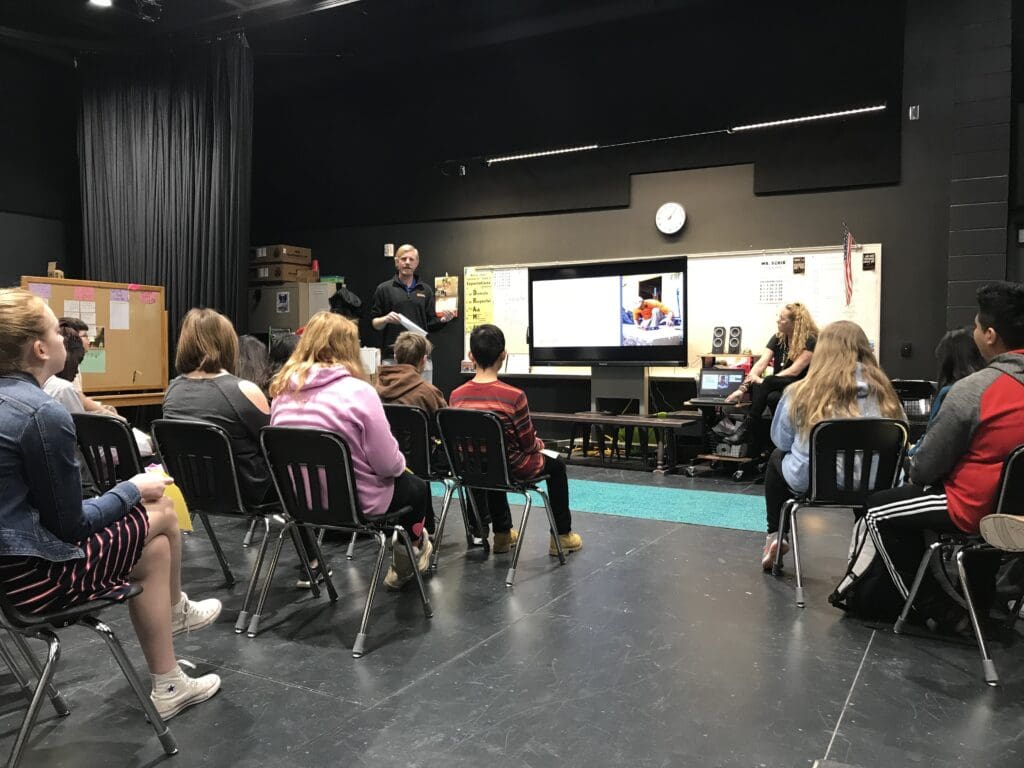
When presenting to a classroom, start with an engaging hook, utilize powerful visuals and tell real stories. It’s also important to send individuals who are passionate about the industry to speak with students. Don’t force an employee to go who isn’t enthusiastic, and make sure the presentation isn’t just all about your company, but the industry as a whole.
Some of the ways to keep students engaged are to have a trivia game at the end of your presentation or lead them through a hands-on section such as how they can plant their own flowers.
You can also connect with students and their parents by hosting an open house event at your headquarters. You can conduct equipment demonstrations, a guided tour and share hare the profession’s many perks and offerings to pique their interest and help them learn more about the industry.
High Schools
At the high school level, you want to build connections not only with the students, but with the guidance counselors, as many are unaware of the fulfilling careers that the industry has to offer.
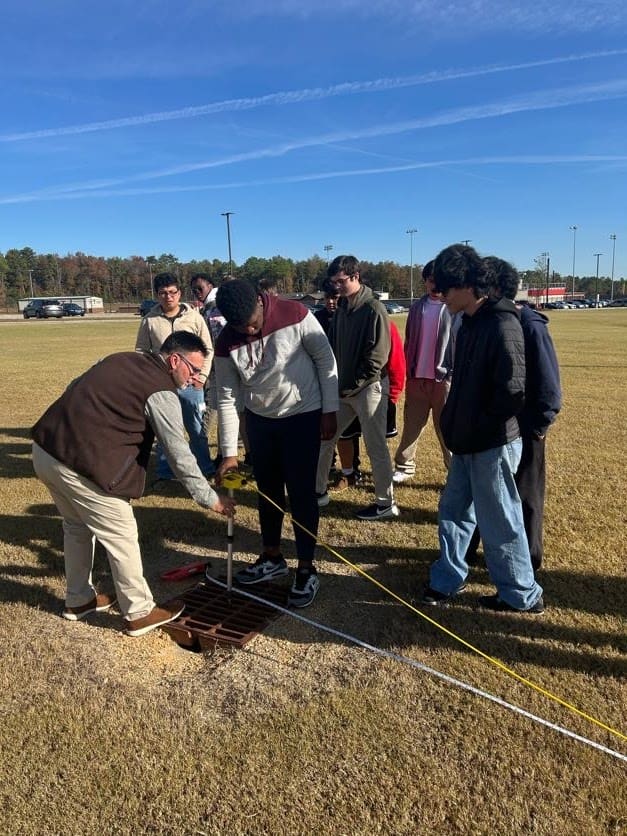
You can open students’ eyes by speaking to them in a classroom setting or by participating in high school career fairs. Chris Joyce, president of The Joyce Companies, based in Marstons Mills, Massachusetts, says at career fairs they will pass out flyers that encourage the students’ parents to call them if they have any questions. He says a number of parents have called, and they are shocked when he tells them he has employees who have been with him for 20+ years.
One major selling point for some high schoolers is the ability to have a successful career without having to attend college. Others can be attracted to the industry’s positive environmental impact. The goal is to plant the seed where maybe down the road a student will consider exploring a job in the industry.
Another way to engage high school students is to create a summer immersion program where they can try their hand at work anywhere from a few days to a few weeks.
Technical Schools and Career Centers
Technical schools and career centers can be particularly beneficial to connect with as the students going here have already expressed an interest in pursuing a skilled trade.
Supporting these schools through equipment donations, scholarship support, classroom instruction, and hosting labs at your facility are all ways to become a trusted brand in both educators’ and students’ minds. Rather than visiting solely to recruit, work to be an industry resource.
Josh Chalfant, associate director of training and development for Environmental Management, Inc. (EMI), based in Plain City, Ohio, makes a point to travel and visit their local career centers, presenting on the careers available and their apprenticeship program. EMI also gives back by serving as a judge for the SkillsUSA Ohio Championship events.
Community Colleges and Universities
Lastly, building connections with community colleges and universities is ideal for your talent pipeline, as these are passionate individuals who already know they want to enter the landscape industry; they just have to decide which company.
Getting connected with a local college requires slowing down, reaching out and starting a conversation about how you’re willing to help. Educators often appreciate when landscape companies offer to teach a hands-on lesson or conduct an on-site tour of their facilities. As you get to know your local professors, help them understand what sets you apart so they are better informed to direct their students who are seeking out internships and jobs.
“Don’t just pop over an email that ‘you have a great opportunity for students’ because everyone thinks they have that great opportunity,” says Jim Funai, Ph.D., plant science and landscape technology professor at Cuyahoga Community College, based in Highland Hills, Ohio. “Make it a point to visit a class every semester and offer some training fun.”
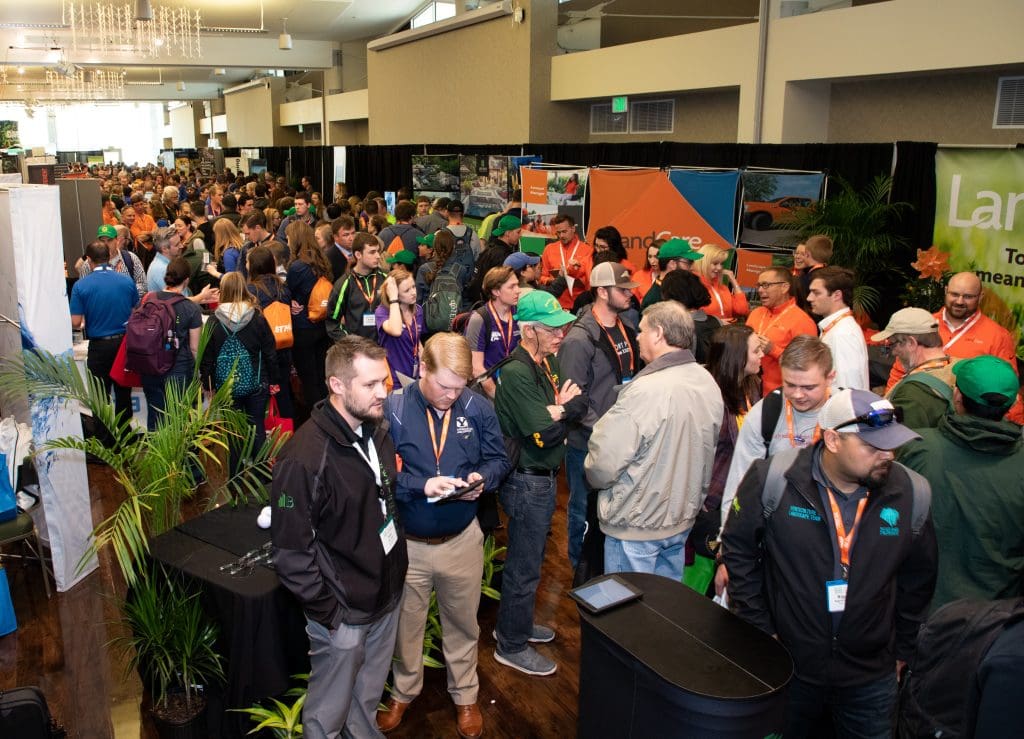
An additional way to get in front of these prime candidates is to participate in the NCLC Career Fair. This event features more than 750 students from 55+ colleges and universities who are ready to start their careers. The career fair also enables you to network with faculty members.
During the career fair, make sure you have a compelling elevator pitch and an internship program that can interest students looking to take the next step in their career journey.
When you take the time to tailor your outreach methods to each educational level and invest in genuine relationships rather than one-time recruiting efforts, you can build a steady stream of future employees while strengthening your reputation within the community.