


If you operate in a region where your work is seasonal and you need to lay off a portion of your employees, you know all too well how challenging it can be to ensure this workforce will return in the spring.
Brad Leahy, vice president of Blades of Green, based in Edgewater, Maryland, says the first step to navigating seasonal layoffs is to use the term ‘winter break’ instead.
“The reason for that is nobody likes to hear the word ‘layoff,’” Leahy says. “It sounds really bad. It sounds like you’re in trouble, sounds like you did something wrong, sounds like the company’s not doing well. So we tried to change that philosophy.”
Leahy says in their company’s case, their field personnel often work a full year’s worth of work in a 10-month period, so it only makes sense for them to have a well-deserved break.
With job applicants, Blades of Green explains the winter break concept upfront so there is no confusion. Leahy says it’s a bad idea when companies avoid telling new employees about the seasonal nature of the work from the beginning.
For Blades of Green, their off-season typically runs from six to eight weeks in December through February.
“Some years we go all the way up to Christmas, and some years we’re done by the first week of December,” Leahy says. “It does vary based on the work that particular season.”
Who Should Your Seasonal Employees Be?
Leahy recommends a nuanced approach when it comes to seasonal layoffs. When determining how many employees and who specifically need to take a winter break, he suggests first reviewing what work is available to keep team members busy, such as equipment maintenance and training.
“You got to keep them busy,” Leahy says. “If you don’t have enough to do, idle hands are the devil’s playground.”
Blades of Green also sends out a survey near the end of the growing season to their technicians asking if any of them would like to go on break early or if they are experiencing a financial hardship where they cannot afford to be laid off this season.
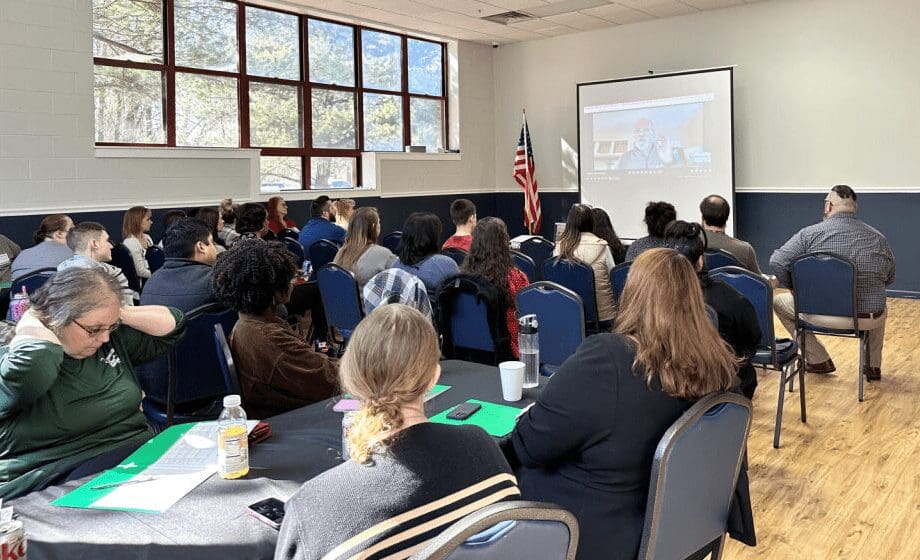
“Some guys, once they’ve been there a while, they start planning January and February to go vacation,” Leahy says. “The survey helps pick out, ‘Okay, we have to keep XYZ person because we don’t want to lose them.’”
He says some may not enjoy the winter maintenance work and would rather take the break. Leahy says on average 10% of respondents will take the early break and another 10% will say they need to stay on over the winter.
Another factor they will weigh is who are the key personnel they see potential in. Blades of Green strives to keep their A players on staff throughout the winter.
“Your work performance as a technician will determine the remaining spots that we’re going to keep for the winter,” Leahy says. “Reliability is number one, and then skill is the next thing we’re looking for. Either technical skills or sales skills or some special skill.”
He stresses you need to make sure you have an objective system that ranks your employees, so it is repeatable and fair. This can also be a time to weed out the employees who don’t want to be there and aren’t performing well.
Blades of Green lays off around 80% of their production staff and retains their office and sales staff over the winter.
“I think if you got good sales people, I would have a really hard time letting them go because it is hard to find a good sales staff,” Leahy says. “We have a winter off-work plan to where they would go through and check accounts, follow up with customers, ‘Hey, we’re missing your email.’ Just stuff to keep people busy, but also engaged. They’re trying to sell in February or January. It’s mentally tough, but it is possible.”
For the staff who do need to be laid off for the winter, take the time to walk your employees through the unemployment process.
“Helping them fill out the paperwork, especially the first year, and helping them through that process, makes all the difference in the world,” Leahy says. “That’s something I would highly recommend.”
Engagement Strategies for the Off-Season
One way Blades of Green keeps their seasonal employees engaged is by holding a winter break party in January. Leahy says in the past, they would hold it in December, but as they grew, it was easier and more affordable to hold it in January.
These winter break parties have ranged from bowling to Top Golf to gathering at a seafood restaurant. Leahy says they have a 90% participation rate for these gatherings as they make sure everyone has fun. He says incorporating company awards and prizes into these events can also increase attendance.

Aside from having a winter break party, Leahy says even hosting the occasional lunch in the office during the off-season can go a long way to keep seasonal employees feeling like part of the team.
Leahy says simply staying in contact with your employees throughout the break is also powerful. They have their managers check in with technicians by making personal phone calls, and some even have group chats.
“Communicate early and often and try to make it fun,” Leahy says. “Instead of ‘We expect you back to work on blank date,’ say ‘We would love to see you back and can’t wait to see you.’ It matters how you word it. Is it demanding and military-ish or is it friendly and inviting?”
Managers can also send thank-you cards to their team, expressing their appreciation for a great season and looking forward to seeing their team again the following year.
“You’re setting the tone,” Leahy says. “You already feel better. Somebody sent you a handwritten letter or note. You don’t get those anymore. Very rarely do you get something in the mail so that has a huge impact.”
Blades of Green also shares employee spotlights through their internal email newsletter so team members can learn more about one another during the off-season.
Leahy says it’s best to try a variety of different engagement strategies.
“Does it hurt to send it a group text?” Leahy says. “Does it hurt the situation? Does it hurt if you send them a letter? Do any of these things cause any potential harm in what we’re doing? No. Who doesn’t want to be reached out and hear, ‘Hey, how is your winter going?’ Where’s the negative in any of the things that don’t work? The worst thing you can do is do nothing.”
The closer it gets to spring, the more frequently they’ll touch base with seasonal employees to see who plans on returning. Blades of Green’s return rate is over 90% and Leahy credits this to their overall company culture, on top of their winter engagement methods.
“We’re going to do this stuff for 60 days to keep them engaged, but don’t forget about the other 10 months of the year too.”