
It’s easy to be daunted by the concept of incorporating videography into your marketing for your landscape business. Should you shoot everything in-house or hire a professional firm? What mistakes should you avoid? How do you make your videos memorable?
The following guidance breaks down how to make strategic videography decisions without wasting time or money.
In-House Versus Professional Production
Corey Halstead, co-owner of HALSTEAD Media, says a good rule of thumb for determining whether a video should be shot in-house or by a professional firm is considering whether the content is day-in-the-life, behind-the-scenes or high-quality brand storytelling videos.
“Produce the day-to-day content in-house and hire out the brand-level storytelling,” Halstead says.
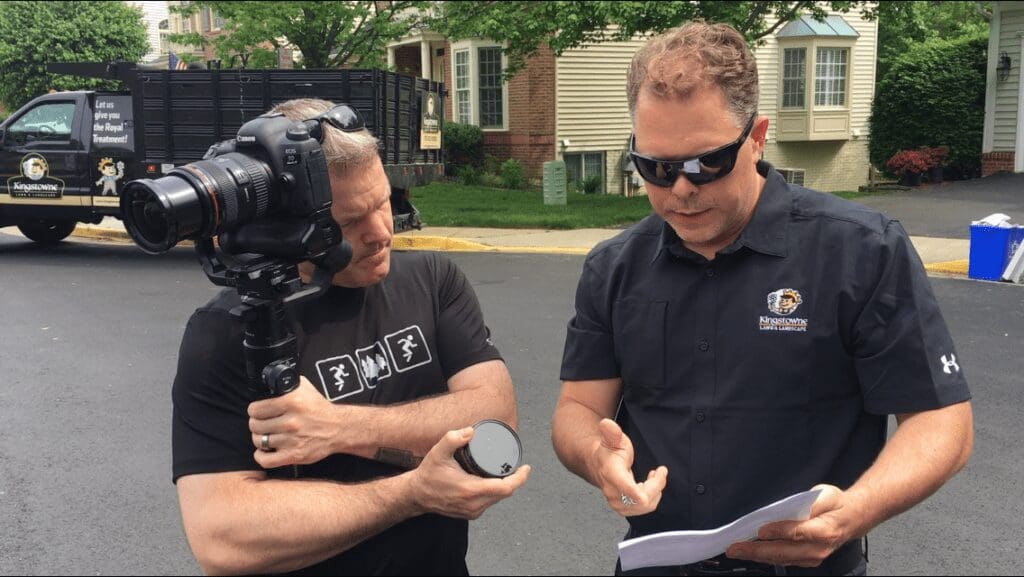
Katy Doss, founder and CEO of Script Marketing, recommends having one professionally shot video per year. She says it’s important that this video tells a story and isn’t just a more expensive version of what you could shoot on your phone. She says a good videographer will also work as a producer and director and guide the story.
“Most companies hit the inflection point around $2 to $3 million in revenue,” Halstead says. “That’s when they’re trying to move upmarket, attract higher-end residential clients, or carve out a clear niche in commercial work. At that stage, professional video becomes critical for elevating brand perception, tightening positioning, and creating consistent, strategic content that supports growth.”
Chad Diller, CEO of Landscape Leadership, adds that working with a professional firm takes so much work off your plate as they can take on the planning, execution and editing of the video.
“Practice what you preach,” Diller says. “You tell your clients not to go cheap and cut corners so take your own advice when it comes to your video content. Select a good professional and work with them and collaborate with them, so that you can look like the brand you actually are. Stop trying to go cheap, stop trying to figure everything out on your own, but realize that where your time is best spent and be involved when you can.”
When you do choose to work with a professional videography firm, don’t overlook the usage rights in the contract.
“You want broad, perpetual rights to use the final delivered videos across your website, social platforms, ads, recruiting, and any other marketing channel,” Halstead says. “Always confirm this upfront and avoid setups where you need to ‘relicense’ your own assets later.”
Common Technical Mistakes to Avoid
In the instances where it does make sense to produce a video in-house, there are a number of practical recommendations that allow you to step up your overall video quality.
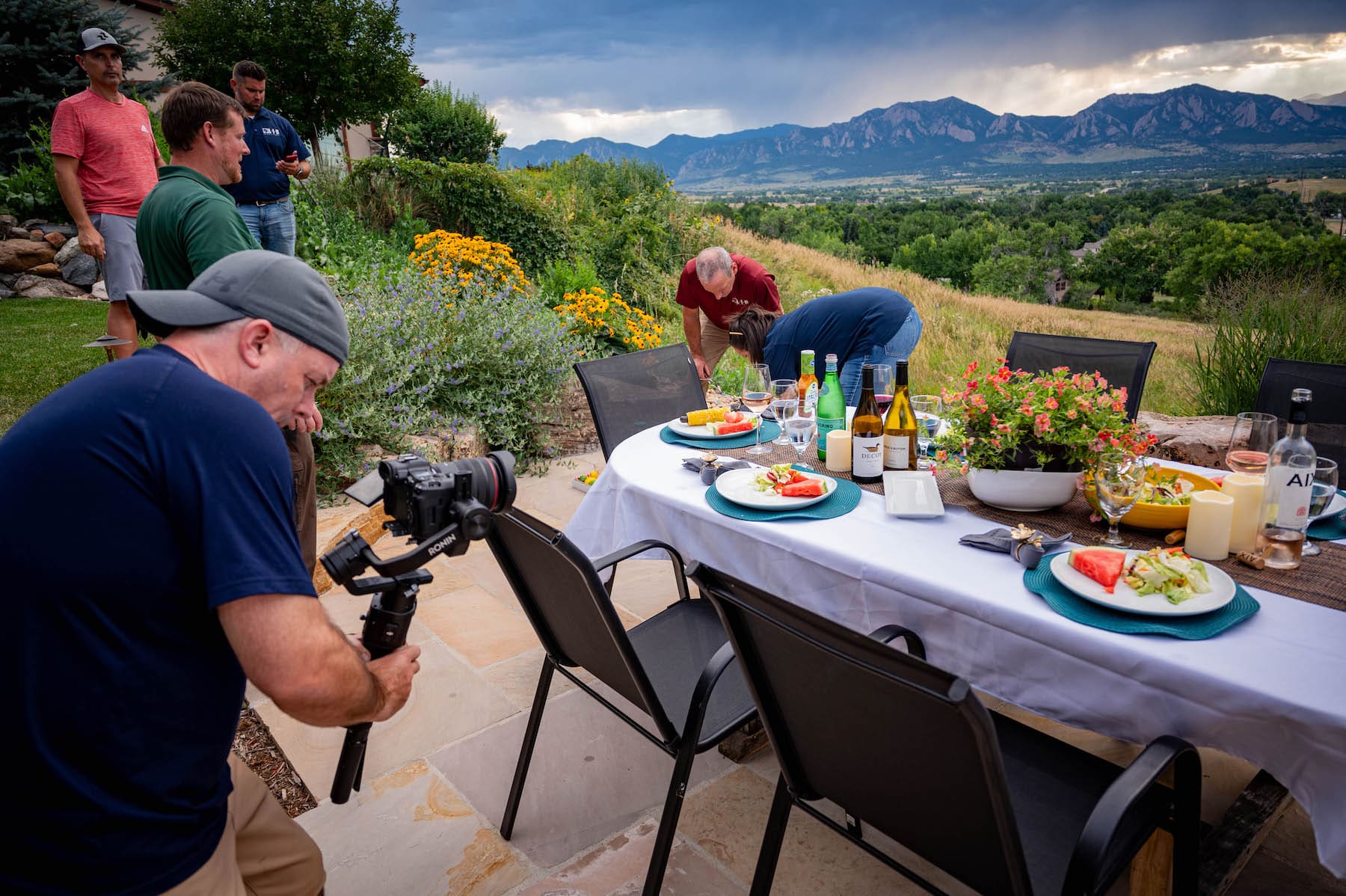
First and foremost, while smartphones are sufficient for recording, you want to make sure you have quality lighting and audio.
“Lighting is a big thing,” Diller says. “It’s difference between bad, average and amazing. Same thing with microphones. And of course, the editing software is where the magic happens.”
A gimble or a tripod can also help steady your videos. If you have a drone, you may think you already have videography in the bag, but while they can create dynamic shots, they shouldn’t be your only source of video.
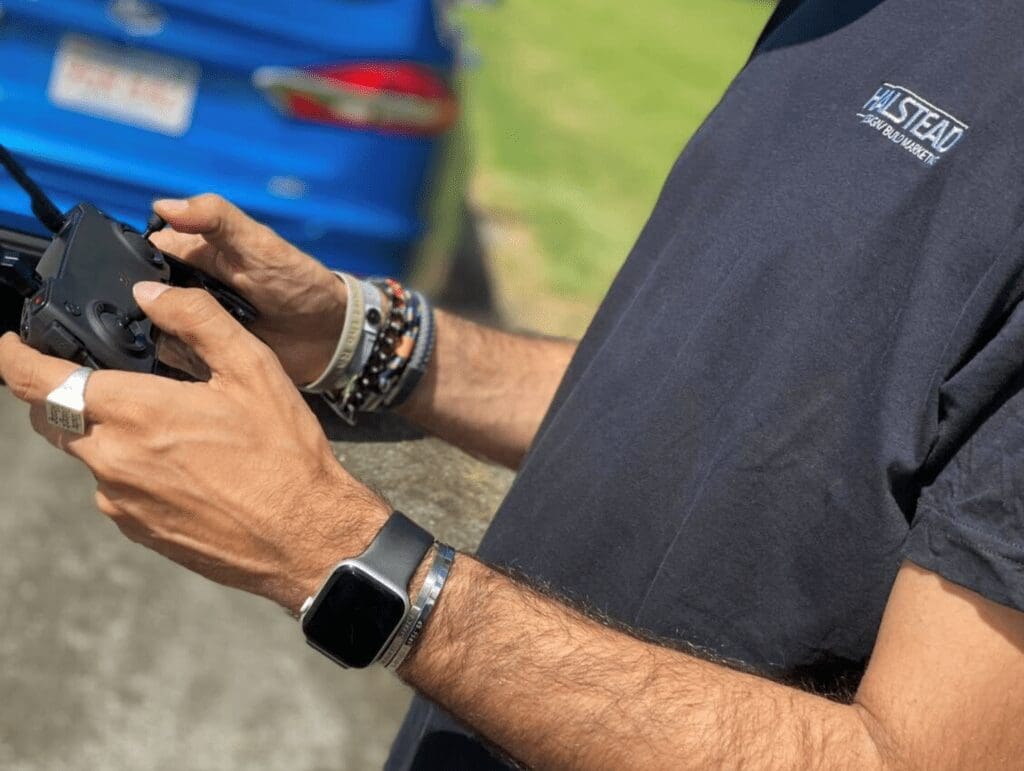
“Drone shots are attention-grabbing, but they aren’t persuasive,” Halstead says. “Everyone has a drone now. While aerial footage can stop the scroll, it doesn’t build connection, convey craftsmanship, or explain the thought process behind the project. Beautiful drone footage without a story is just noise; the story is what makes someone actually trust you.”
Diller says drone shots can be used to convey the scale or scope of a project, but you need to also get up close and include people in your shots.
“People want to work with people,” Diller says. “Whether it’s a recruiting video or marketing video, the relationship is what makes people want to work at an organization or makes people want to hire an organization because they’re seeing that camaraderie and that relationship. You can’t show that from a drone.”
Even if you have invested in the right equipment, your skill level and experience will have an impact on the final results of the video. One area that can make videos more stilted is not understanding the importance of script writing.
“Even just learning good phrases like ‘Describe to me a time when…’ or ‘What was that like when you would go home for the day and you thought about that?’” Diller says. “You’re trying to get them to give a little energy, instead of giving this surface answer that everybody gets.”
Doss adds that if you’re explaining something, don’t try to say everything perfectly in one take.
“Split it up into manageable sentences, and then edit those sentences together,” Doss says. “It will go much faster. Also, as you’re recording each sentence, look directly into the camera, smile, and pause for just a beat to give yourself enough space to edit. It makes all the difference in the world.
After going through the trouble of planning and producing a video, don’t forget to have a strategy for how it will be distributed and promoted throughout your platforms.
Incorporating Storytelling to Elevate Your Videos
Storytelling is the key differentiator between videos that stand out and those that are lost in the shuffle.
“Compelling landscape videos follow a narrative arc,” Halstead says. “They show the customer’s problem, introduce the company as the guide with a plan, and highlight the transformation. Real human voices, behind-the-scenes moments, close-up craftsmanship, and scenes of people actually enjoying the finished space create emotional resonance. Using a StoryBrand-style structure turns a simple video into something memorable and persuasive.”
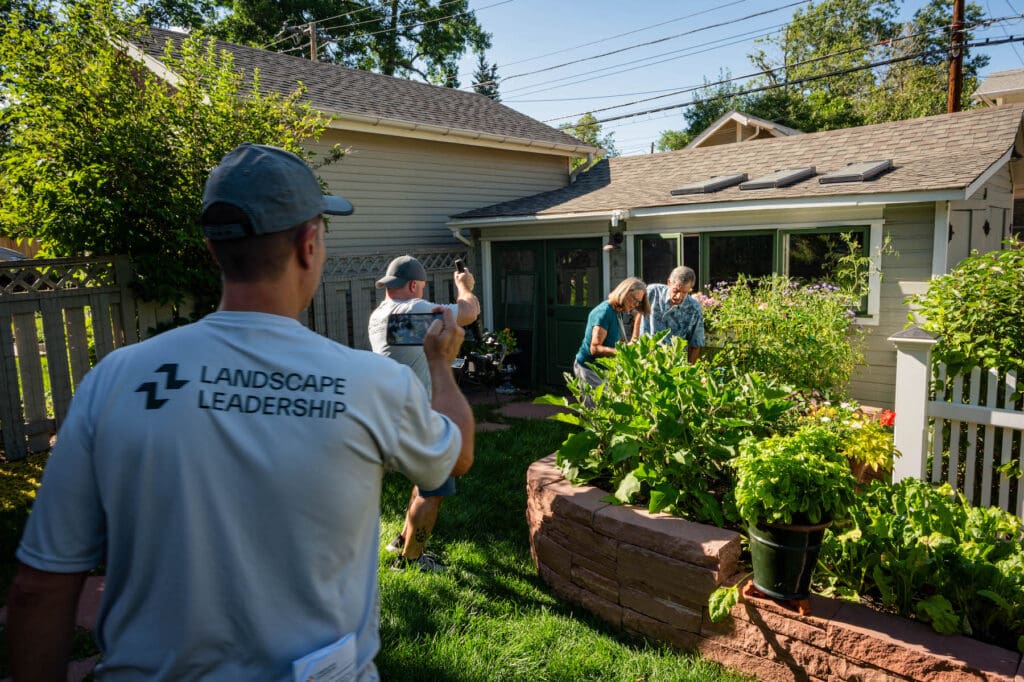
Some examples of storytelling in videos include case studies that highlight the strategy and the client’s voice, brand films that explain who the company is and why they do things a certain way or recruiting videos that capture the culture and leadership of the organization.
“You have to have deeper exploration of problems or aspirations,” Diller says. “‘I want a patio.’ That’s top level. How do you make that emotional? How do we position the thing that they’re saying they want versus what they really, really want.”
Diller says the most important storytelling practice is understanding your brand is not the main character of the story.
“It’s so much more compelling to listen to a client tell a story than listen to the brand,” Diller says. “You can be involved in the video, but make that 25 to 30% of what’s on camera. Make the rest of it about the client.”
Key Takeaways
- Day-to-day, behind-the-scenes content can be done in-house, while brand storytelling and cornerstone videos are best handled by professionals.
- Aerial shots add context, but trust is built through faces, voices and ground-level storytelling.
- The strongest videos make the customer the hero and focus on problems, emotions and transformation — not companies bragging.