


If you want your newer employees to feel connected to your company early on and build their confidence quickly, mentorships can be a powerful tool.
Loren McIrvin, CEO of Allied Landscape, based in Livermore, California, notes that mentorships accelerate growth as new hires learn best practices and see what ‘great’ looks like in the field while senior team members gain purpose beyond their daily tasks.
Identifying Mentees
Jennifer Burnett, chief people officer for LandCare, based in Frederick, Maryland, notes that the best mentorship relationships develop organically, but having a structured program helps employees access support and guidance they might not otherwise seek out or realize is available.
McIrvin says they look for employees whose skill development, confidence or consistency are not meeting company standards.
“If an employee is struggling with responsiveness, customer communication, or site knowledge, that’s a clear indicator,” he says. “We also proactively assign mentors to new team members during onboarding because we believe in setting them up for success from day one.”
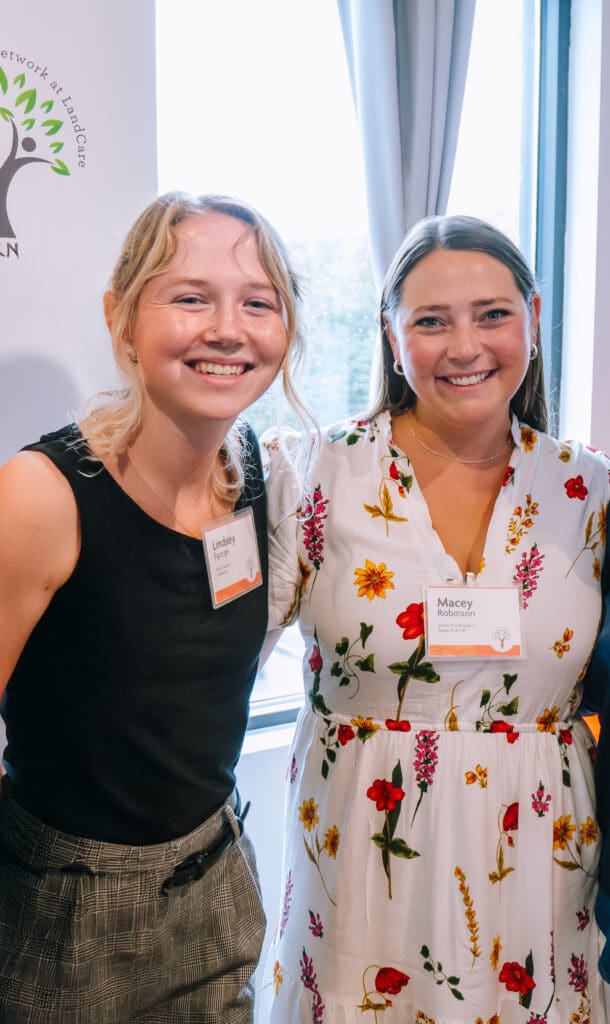
Burnett agrees that new employees, especially those early in their careers, are ideal for pairing with a mentor. LandCare offers their internal mentorship program through their Employee Resource Group, the Women’s Initiative Network.
“Members signal their interest by completing a form that outlines their goals for mentorship,” Burnett says. “This helps us understand what they are hoping to gain from the mentorship, which guides us to pairing them with the best available mentor.”
Selecting and Supporting Mentors
How effective your mentorship program is depends greatly on the mentors you have. McIrvin says they have mentors at nearly every level of their primary role,s including account managers, production managers and account supervisors.
“It’s less about a fixed number and more about creating a culture where every experienced team member feels responsible for developing the new team members,” McIrvin says.
Burnett says they have around 20 mentors, both men and women leaders, who participate in their program. Most of these individuals volunteer on their own, which helps make the mentorship relationships more authentic and engaged.
“In some cases, when we need to balance demand or meet specific mentee requests, we proactively invite leaders we know have the qualities to be strong mentors,” Burnett says.
She says leaders who consistently build high-performing teams have skills such as listening, curiosity, empathy and the ability to develop others, making them great mentors as well.
Likewise, McIrvin says some of their mentors raise their hand, while they identify others based on their professionalism, consistency, and alignment with their values. Allied Landscape will invest in their mentors with coaching so they can give effective guidance.
“Mentors participate in leadership development, Integrity Selling training, and our Allied GROWth Career Path Program,” McIrvin says. “We also equip them with tools for weekly 1:1 meetings and formal progress checklists so their guidance is structured, consistent, and actionable.”
LandCare prepares their mentors with periodic orientation calls that help mentors focus on the mindset and skills that make mentoring effective. They also provide tools such as a first-meeting guide and a list of suggested questions to help structure meaningful conversations.
Structuring the Mentorship Relationship
The duration of your mentorship program is up to what works best for your organization. Burnett says their recommended time frame is one year, but the connection often continues beyond the formal term.
McIrvin says they don’t have a fixed end date.
“Formal mentorship often lasts through the first six months of an employee’s career, but ongoing informal mentorship continues as long as the employee and mentor find value,” McIrvin says. “We see mentorship as a continuous cycle, not a one-time event.”
Make sure your mentorship has a structure with accountability. McIrvin says this includes weekly 1:1s, formal progress tracking, and clear goals.
When deciding which mentor to pair a mentee with, compatibility is critical.
“A compatible mentor-mentee relationship builds trust and accelerates learning,” McIrvin says. “Without compatibility, the relationship can feel forced, and neither party benefits fully. Our goal is to make mentorship a positive, motivating experience that enhances both careers.”
Consider the employee’s role, skill set and personality. Creating a pairing that is aligned allows the mentee to feel comfortable sharing challenges and goals. The mentee should feel safe asking questions, and the mentor should feel invested in the mentee’s success.
Be mindful of the generational differences between mentors and mentees. McIrvin says they remind senior employees that younger generations value feedback, recognition, and technology while coaching younger employees to respect the experience and wisdom of their mentors.
“Great mentors approach every mentee with curiosity and respect,” Burnett says. “Instead of judging differences, they focus on understanding what matters to the mentee and why. A caring, empathetic mentor can bridge generational gaps by valuing diverse perspectives and adapting their style to support growth.”
Keys to Long-Term Success
How successful your mentorships are can be measured by the longevity and depth of the relationship.
“If the connection continues beyond the one-year program and evolves into an ongoing professional relationship, that’s a clear indicator that the mentorship has made a meaningful impact,” Burnett says.
McIrvin adds that if an employee stays, grows into a larger role and builds strong client partnerships, these are all signs the mentorship was a win.
If you want to create effective mentorships in your own organization, start with willingness.
“Both the mentor and mentee must genuinely want to participate and invest in the relationship,” Burnett says. “A mentee must be ready to grow – which requires openness to change – and the mentor must be committed to sharing their time, energy, and experience. With those ingredients in place, formal pairings can be just as impactful as organic mentorships.”
McIrvin adds that mentorships should be part of your cultural foundation, not an add-on.
“When mentorship is woven into your culture of continuous improvement, you build a stronger, more loyal team that delivers better results for clients,” he says.
