
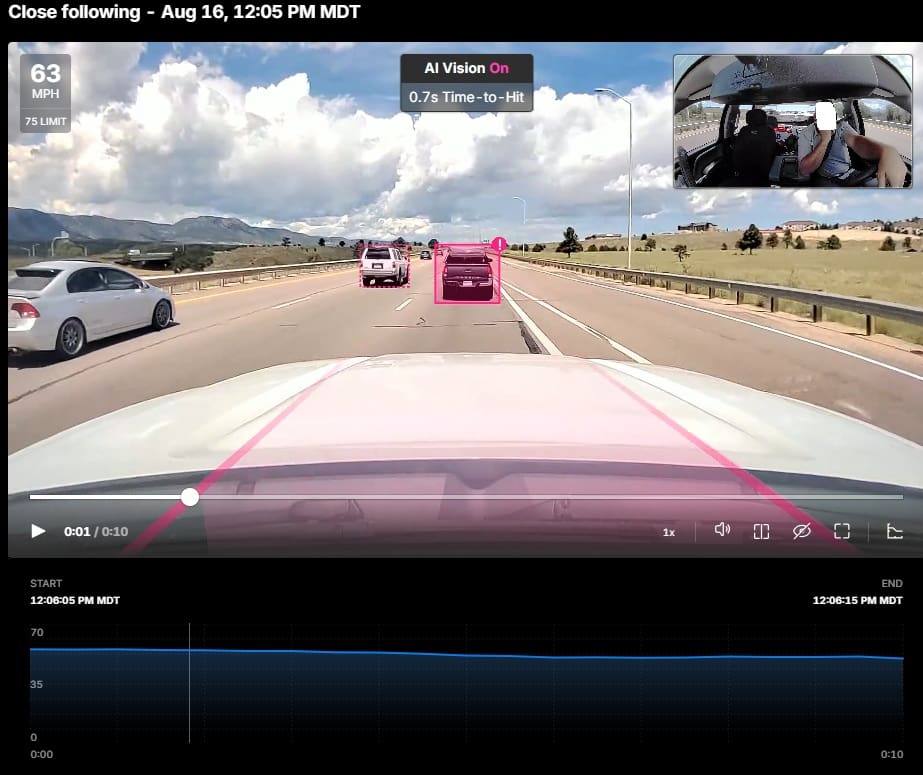
Typically, when a team member is flagged for unsafe driving practices, it’s something you can only coach them on after the fact.
However, Timberline Landscaping’s fleet receives coaching in real-time, thanks to Motive’s AI cameras. This technology can detect unsafe behaviors in the vehicle and then provide immediate feedback to the driver.
“This software will still ding you, but since this one is real-time coaching and the weekly recap with the AI coach, this helps them learn from their mistakes or bad habits and puts things into perspective for them,” says Erick Stover, safety and quality assurance manager for Timberline Landscaping.
The Colorado Springs, Colorado-based company implemented the cameras in April after trialing them in March.
“I personally heard about it in one of the ELEVATE sessions last year, and then we had some Motive reps that stopped in one day and talked to our CEO and COO,” Stover says.
Timberline decided to invest in these AI fleet cameras in an effort to lower their insurance costs, cut down on distracted driving and capture vehicle accidents to prove when they were not at fault.
The Benefits
Since implementing the technology, Stover says employee driving has improved and reduced their overall accidents and incidents, cutting down on insurance claims.
“Overall, it helps reduce risks, improve compliance, promote better driving habits, and reduce insurance costs,” Stover says. “To me this is a huge ROI.”

Stover says that while the fleet cameras are still pretty new, he has reached out to their insurance company’s safety consultant to let them know about their usage of the technology.
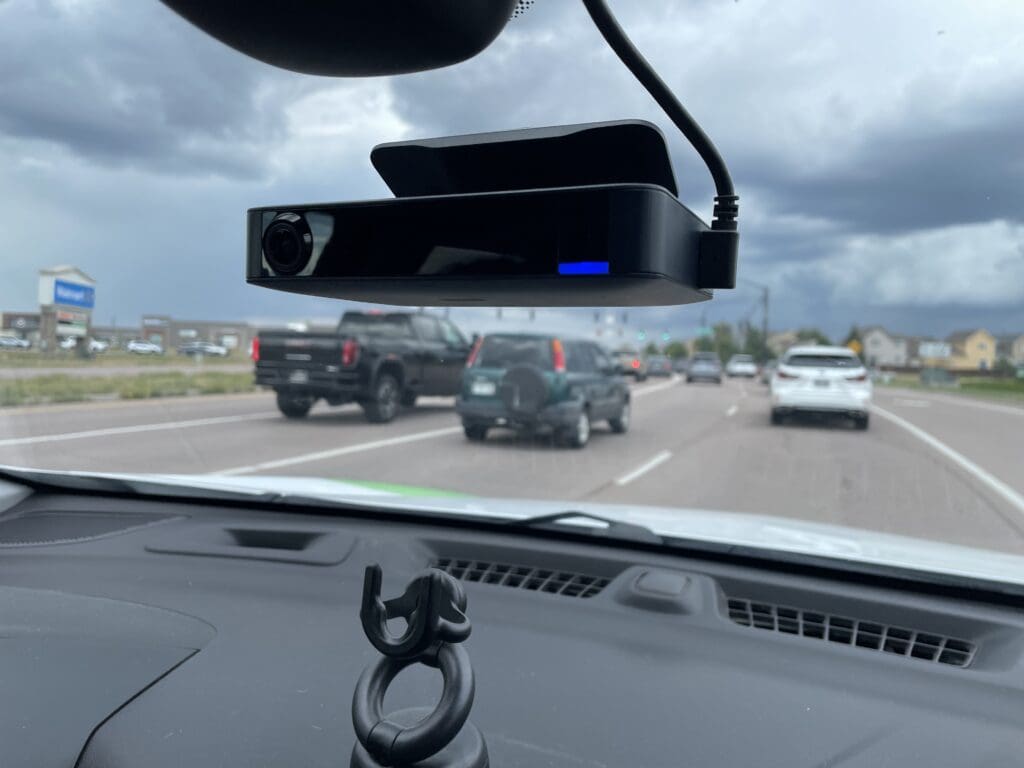
“They have informed the insurance underwriter, so we will see,” Stover says. “From an accident reduction standpoint, this alone will help lower our premiums.”
Stover says that in the beginning he had employees complaining that the AI coaching was a distraction because it went off frequently and they wanted it shut off.
“I politely tell them to start driving better, and it will quit coaching them; they just look at me and walk away,” Stover says. “Later, the same people come to me and ask me if I have seen their current score, that it is improving. You can tell they are proud of it.”
He says other employees thought they were excellent drivers until the camera started coaching them.
“Someone even asked me if they can get into my defensive driving class,” Stover says.
Tips for Success
Timberline first piloted the program with 10 AI cameras as well as some of Motive’s other products. He says there was some resistance from their team at first, as some didn’t trust the system and others had a hard time accepting change.
“At first the employees were like, ‘We don’t want Big Brother watching us and listening to our conversations,’ but now that they have seen it firsthand, they actually like it for the most part and now are competitive on who has the best score,’ Stover says.
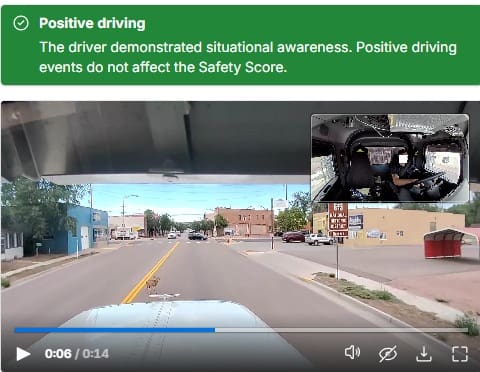
He says in one particular instance an employee struggled to accept it until he was involved in an accident and it saved him from being cited since it was not his fault.
“I think that once everyone realized it was AI-based and not the safety department or upper management just sitting there looking at it all day long, they are ok with it,” Stover says. “They even now come ask me if I have seen their near collision, or the quick capture they did. You can really tell that it’s becoming part of the culture, and everyone is accepting it.”
Stover recommends that other companies considering testing this technology be upfront with their team about why you’re implementing it.
“I feel that you will get more buy-in than complaints when you start the trial,” Stover says. “Tell employees what the AI cameras are looking for and that there could be false positives.”
He acknowledges that, because the AI is still learning, it can occasionally detect false safety events, such as harsh braking or speeding, but Motive’s team reviews all safety events to reduce these false positives.
“Motive also gives you the ability to go into the Motive Fleet dashboard and review them yourself and determine if the events are coachable or should be dismissed,” Stover says.
Stover encourages other companies to try the technology for themselves.
“What do you have to lose?” he says. “I think it has more positives than negatives and has a huge ROI.”