

Guest post by Wesley Thomas, group product manager at Milwaukee Tool
Landscape professionals can be exposed to extreme environments, from heat and sun to cold rain and harsh winters. These conditions affect more than just comfort; they influence safety, concentration, and overall job performance.
Prolonged exposure to high heat can lead to heat stroke, exhaustion, and dehydration, while cold weather brings risks like frostbite and hypothermia. In both cases, physical strain and discomfort can reduce concentration, slow reaction times, and increase the likelihood of mistakes or accidents.
According to OSHA, thousands of workers suffer heat-related illnesses each year, with some cases resulting in fatalities. From 2011 to 2020, over 33,000 heat-related injuries led to time off work, costing businesses in lost productivity and increased risk.
For outdoor crews, downtime due to weather isn’t always an option. That is why implementing smart temperature-regulation strategies, like using heated or cooling gear, is becoming essential. These solutions help keep operators safe, focused, and efficient, no matter the season.
What Is Temperature-Regulating Wearable Tech?
Temperature-regulating wearable technology is an emerging category of workwear designed to help trade professionals maintain safe core body temperatures in both hot and cold conditions. For landscaping crews who work year-round in unpredictable weather, these garments offer critical support for comfort, safety, and performance.
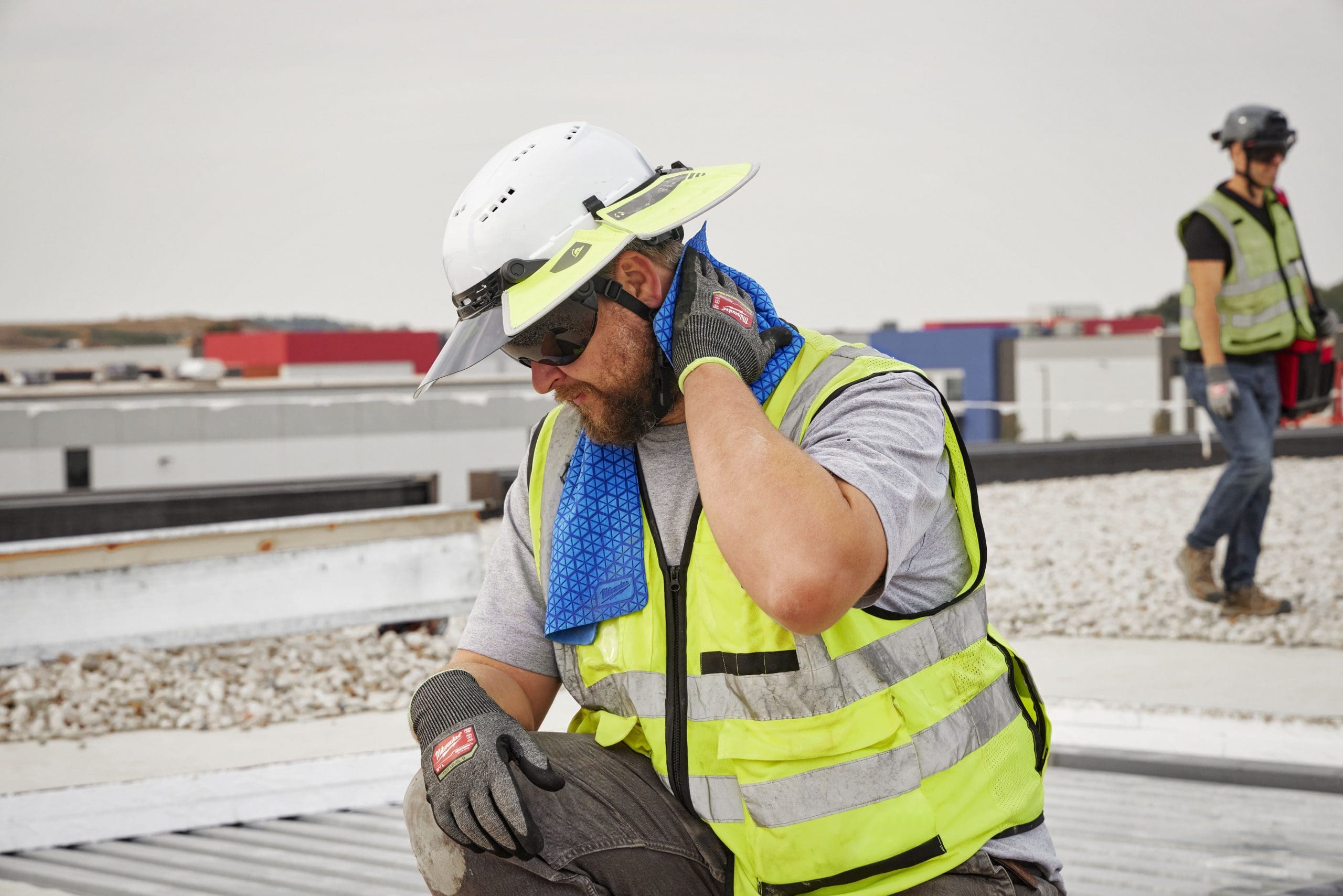
- Personal Protective Equipment: Cooling personal protective equipment is designed to provide fast, lightweight relief in high-heat environments. With significant advancements in temperature-regulating personal protective equipment for outdoor professionals, certain manufacturers have invested in the expansion of cooling solutions. For example, Milwaukee Tool’s cooling gear features towels, helmet liners, sweatbands, and skull caps that activate water, absorbing moisture in just 30 seconds and delivering up to 4 hours of evaporative cooling.
- Workwear: Innovative workwear is designed to regulate body temperature through advanced fabrics that wick sweat, promote airflow, dry quickly, and keep workers cool and comfortable in high-heat outdoor environments.
- Heated Gear: Heat-integrated apparel features battery-powered heating elements incorporated into the fabric, typically positioned across the garment. Combined with lightweight insulation and weather-resistant outer materials, heated gear is ideal for early morning starts, winter landscaping, and snow removal operations, where staying warm without bulky layers is essential.
Beyond Comfort: Real-World Benefits of Temperature-Regulating Gear
While comfort is a clear advantage of temperature-regulating workwear, its true value lies in how it supports safety, productivity, and overall worker well-being, especially in outdoor environments.
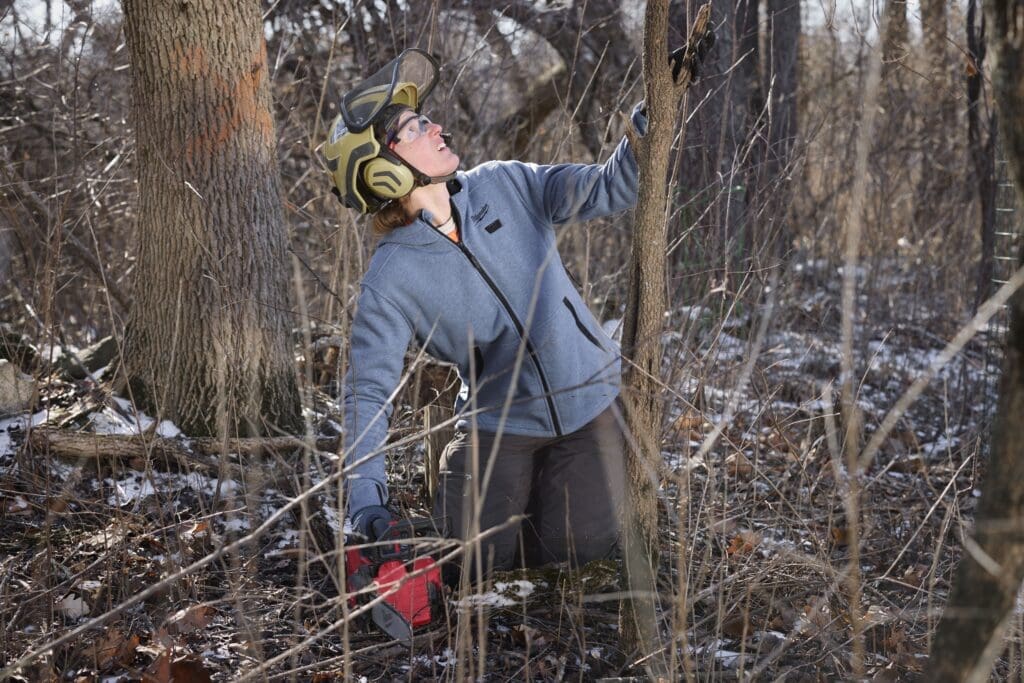
These benefits translate directly to job performance. Workers who are physically regulated can experience less fatigue, maintain sharper focus, and are better equipped to handle repetitive or precision-based tasks throughout the day. In many cases, temperature-regulating gear can allow crews to work longer and more effectively in extreme conditions, reducing downtime and minimizing breaks caused by discomfort.

From a workforce management perspective, investing in wearable comfort technologies can also boost morale and retention. When employees feel supported with gear that prioritizes their safety and comfort, it fosters a culture of trust and engagement. For employers, this means not only protecting teams from environmental hazards but also reinforcing a commitment to long-term workforce sustainability and operational efficiency.
As environmental conditions continue to challenge outdoor workers, temperature-regulating wearable technology is becoming a key part of proactive safety planning. Heated and cooling gear is no longer a luxury; it’s a practical solution that helps crews stay safe, focused, and productive in extreme weather. Forward-thinking operations and safety leaders are increasingly turning to this gear to protect their teams, extend working hours in tough conditions, and support long-term workforce health and performance.
