

Dan Waters, owner of Creative Environments, based in Tempe, Arizona, started out as a summer laborer in 1985. When the founder, Charles Hammond, passed the business on to his son, Waters bought 50% ownership of the company in 1993.
Over the years, Waters has grown the business into a full-service firm that serves high-end clientele and promises a red-carpet experience. The business’s design/build work has spread to 22 other states, as well as international projects in Costa Rica and Mexico. The company is projected to reach $90 million in revenue for 2026.
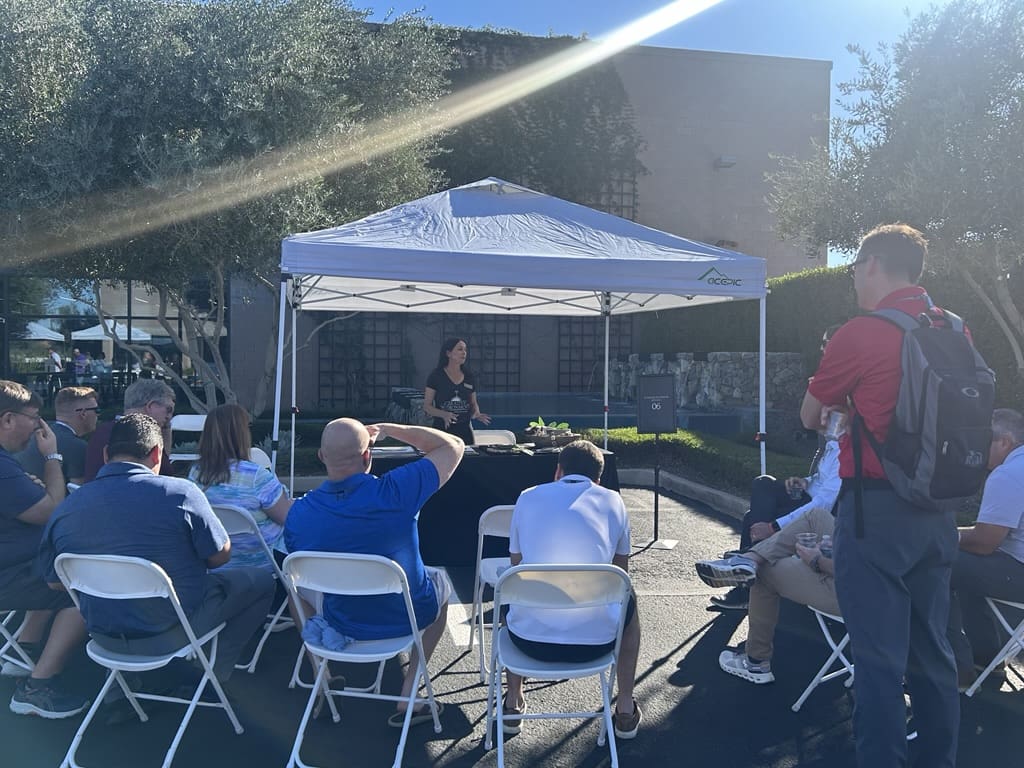
At the conclusion of ELEVATE on Wednesday, Nov. 5, Waters shared with attendees the company’s history and some of the ways the business is set apart. Then they received a tour of Creative Environments’ headquarters, where they learned more about the customer experience, how the team creates leading designs and executes their plans efficiently.
Creating A Superior Customer Experience
Creative Environments’ compass and north star are their customers. When COVID hit, the company faced numerous supply chain issues, which led to unhappy clients. In response, Waters created a customer experience staff, which focuses on the client’s entire interaction with the company.
While customer service is expected, the customer experience team is there to elevate the client’s interactions and provide multiple touchpoints along the way. This begins from the first meeting. Clients are sent their designer’s bio as soon as they are assigned. Then, seven days after the designer visits, the customer experience rep reaches out to serve as their concierge.
The team also conducts seven milestone walks with the client, designer and construction manager to guarantee the client is on the same page and happy with the progress of the project. This also helps reduce the number of last-minute change order requests.
Additionally, the customer experience team touches base 60 and 90 days after the project is completed.
Creative Environments also elevates their clients’ experience with their design and sales process, where they hand-color their designs and then render the projects for photorealistic 3D flythroughs. They also provide samples of every proposed material so the client can make informed decisions.
Even the gifts the company gives their clients take things one step further. For instance, when crews found white and black quartz on a client’s property, they spent months creating custom backgammon pieces using the quartz as the customer loved to play backgammon. The customer experience team encourages their designers to learn every detail they can about the client so they can create these gratitude moments.
Caring for Employees
With a high-end clientele who have elevated expectations, Waters makes a point to reward his team regularly for their hard work and dedication. He found that higher wages alone did not motivate employees to take better care of the customer.
Instead, he had found that taking high-performing team members and a plus one to exciting events like an F1 race in Miami, concerts in New York and partying in the Bahamas have all served as a way to connect with the team.
Waters says they don’t talk business during these getaways. Every aspect is first-class and VIP level to help the team better understand how their clients see and experience the world. Waters says the feeling of being taken care of helps his employees give that back to the customer.
Many employees have been with the business for over 20 years, and the longest tenured employee has been with the company for 35 years.
“Giving more back to our people has helped our retention and love for the company,” Waters says.
Driving Originality
In the early 90s, Waters was introduced to a Gold Glove baseball player who wanted to do a large project, but the player felt their portfolio wasn’t on par with his expectations at the time. This motivated Waters to build better projects and hone their craft.
Waters says his mission has always been to do things that other people don’t do. Creative Environments prides themselves on how their projects have a different fit and feel. They seek to deliver an outdoor luxury experience.
“Your competition is going to catch you,” Waters says. “That’s why you have to be doing things differently.”
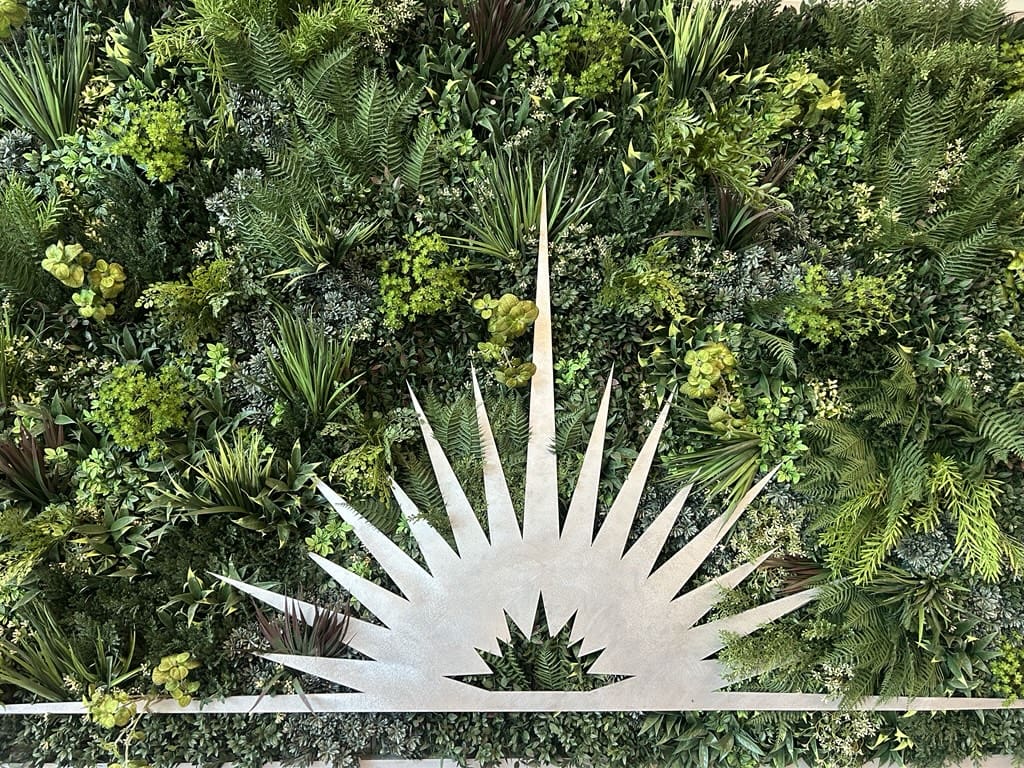
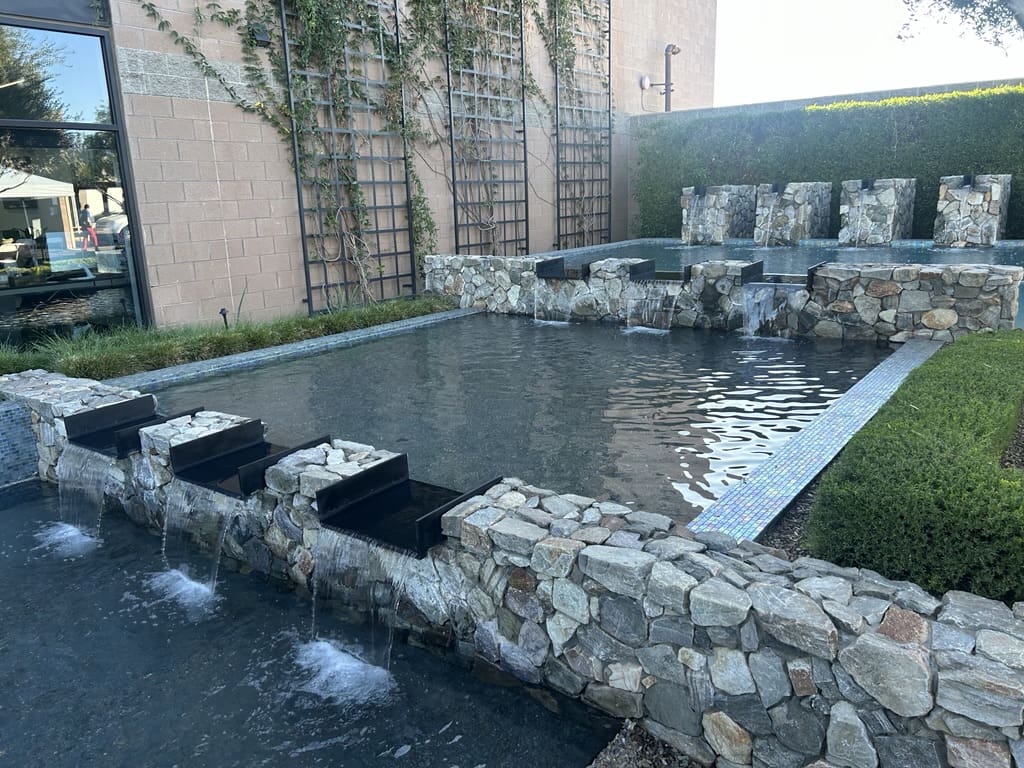
With their in-house metal fabrication, Creative Environments can produce everything from planters and gates to walls and water features.
Waters brought pool construction services in-house when he realized that pool contractors were less willing to execute complex, unique pool designs. This also allowed the company to have control of every aspect of the project.
“Don’t try to compete with everyone else,” Waters says. “Set the bar yourself.”
The company also recently added on outdoor furniture as a seven-figure division where their interior designer works with the client to identify, source and stage furniture for their newly constructed outdoor living space. Waters says they say no to very few requests, as they are willing to try and fail.
Ensuring Strong Collaboration
With 100 active projects ongoing throughout the valley at any given time, communication with the clients and the crews is critical. The milestone walks not only build customer trust in Creative Environments but also result in more referrals as clients appreciate the structured approach.
To ensure the company completes their projects to their internal standards, Creative Environments also has a series of 21 checklists that crews go through on every job. Waters says these checklists serve as a reminder, so they fail less. These also help mitigate rework. Justin Matteson, who handles process management and employee development for the company, says there are two ways to do the work: right or again.
The construction team treats the design team like a client and makes sure to overcommunicate, so everyone is on the same page. During the pre-construction meeting, they will discuss whether the proposed design is feasible and if the bid is accurate.
Creative Environments’ customer care team handles anything related to warranties. They collect all these requests, and if something is costly or frequently receives complaints, they will meet with the construction team to convey this information. They also inform the design team of any plants that don’t perform well in certain areas so they can stop incorporating them in future projects.
Waters says that creating clear expectations and job descriptions alone helped them double their net profit. Everyone on the team understands what they do and how it adds to the customer experience.
