

In markets where finding sufficient labor is extremely challenging, landscape companies have turned to the H-2B temporary visa program for assistance. However, this program is particularly volatile as Congress has failed to fully address permanent reforms due to intense political pressure from multiple angles.
While landscape companies strive to limit their dependence on the program by only having H-2B workers make up anywhere from 15% to 30% of their workforce, the years they don’t receive their workers are still hard on businesses.
Brad Swortzel, president of BWS Landscaping, based in Ashland, Virginia, says they have participated in the program for three years and didn’t receive their workers in 2024.
“There was a chance we would get the workers in July, but that would have been too late for us, so we did not move forward once we were assigned our group,” Swortzel says.
He says that year their requested visas made up around 10% of their workforce. He says it hurt, but they were able to pivot before the growing season started.
Keven Stratton Jr., attorney and impact executive for Stratton Landscape Group, based in St. George, Utah, says they nearly lost contracts in the years they haven’t received their H-2B workers.
“Not only does this workforce account for a good percentage of our in-field labor, but when the workforce arrives, it seems like our whole attitude changes,” Stratton says. “Everything is just better when this program works, but when it doesn’t work, it’s really detrimental.”

Nick Brummel, ambassador for Landscape Workshop and the former owner of Brummel Lawn & Landscape LLC, based in Blue Springs, Missouri, says in 2021, they didn’t receive their 24 temporary employees until October, and they still had those 24 positions open then.
“We went through 168 folks throughout the year for those 24 positions, and had more work comp injuries, had more turnover with customers, and literally had to have the conversation with customers,” Brummel says. “Since that day, customers have asked, ‘Do you have your H-2B people?’ We’ve educated them enough that they’ll ask, ‘Hey, do you have your folks for next year?’”
Brummel says they also lost two managers that year due to burnout, as they were working seven days a week trying to satisfy customers.
“You end up putting in a lot of overtime, and it’s really difficult for those who are here,” Stratton says. “It’s just a really stressful time for managers. It’s really difficult for those who are here, because you always feel like you’re three steps behind without having that extra shot in the arm.”
What Lawmakers Need to Hear
One of the main reasons the H-2B program is maligned is due to misconceptions surrounding it. This is why it is critical for landscape professionals to educate lawmakers on the facts.
Andrew Bray, NALP senior vice president of government relations and membership, notes that without landscape professionals’ voices, there is the very real threat of the landscape industry no longer being eligible to use the H-2B program.
The main misconception with the H-2B program is that it is ‘taking jobs from Americans.’
“That is not the case at all,” Stratton says. “We’ve got to advertise, we’ve got to get out, and we’ve got to take every step that we can to hire locally. Frankly, it’s an expensive program for us to be involved in, and it comes at a great cost. If we could get local workers, we would.”
Additionally, data shows that each H-2B visa holder a company employs supports between 2.7 and 4.5 U.S. domestic jobs in that company.
“When you have more H-2B workers, it means you can hire more domestic workers,” Bray says. “Because you’re growing your business, you can hire another marketing person. You have to hire another accountant, and also you’re going to buy more equipment. You’re actually benefiting the economy, both up and down the logistical channels.”
Another challenge is how H-2B often gets lumped in as an immigration matter, despite the workers utilizing temporary visas.
“Help people understand these workers are here legally,” Bray says. “They want to work. They don’t want to live here. They want to work for an honest wage and then return to their country, and they have tremendous economic value to their community and to their businesses.”
Brummel says lawmakers often assume H-2B workers are paid lower wages or are being exploited.
“You start educating them, like ‘Hey, you guys set the wage,’” Brummel says. “They’re only here for a certain time period. We let you know if they left early. We let you know when they come in. You guys do a background check. You start explaining every single step that we take, that they’ve been vetted more than most of our American workers, that they want to come here, that they want to go home.”
Brummel also shares with lawmakers how their H-2B workers spend their checks on Christmas presents to take back home with them, putting money back into the economy. He says this is when it starts clicking and representatives begin to understand it’s not an immigration issue.
Another misconception is that teenagers can easily fill these roles. Stratton argues that often labor laws and insurance restrictions prevent them from hiring high schoolers. Also, they are unable to hold the roles for the entirety of the season.
“Those are some of the misconceptions that are important to help to break down when you’re meeting with your legislators,” Stratton says.
Effective Advocacy Strategies
One of the best ways to advocate for the H-2B program is to tell your story. Share specific instances of what happens to your company when you don’t receive your visas. Also, communicating the positive impact H-2B workers have when they arrive drives home to legislators the effect the program has on their constituents.
“Nobody knows your story quite like you do, and your members of Congress and the regulatory departments, they need to hear your story and how it impacts your business, day to day, day in and day out,” Stratton says.
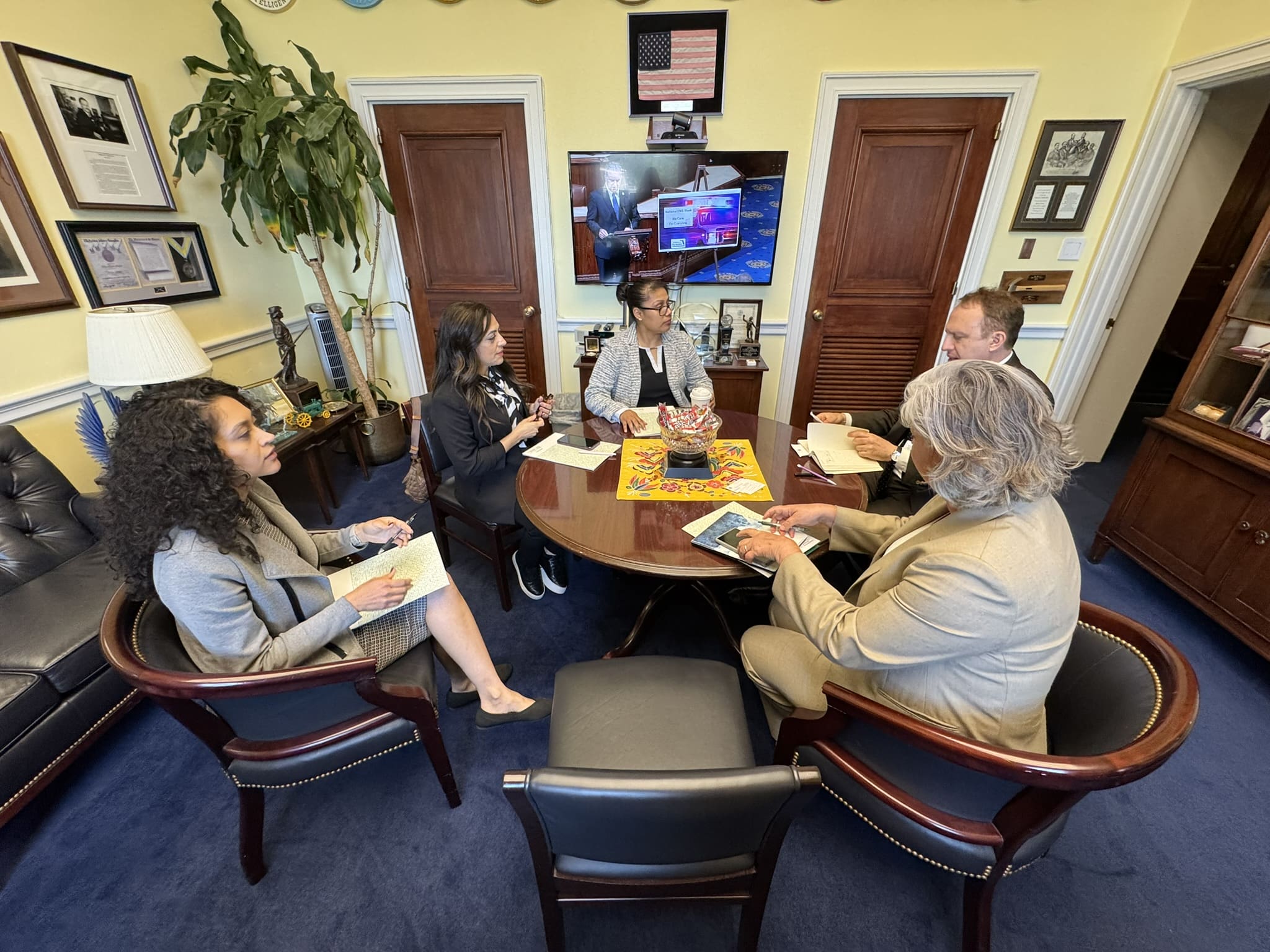
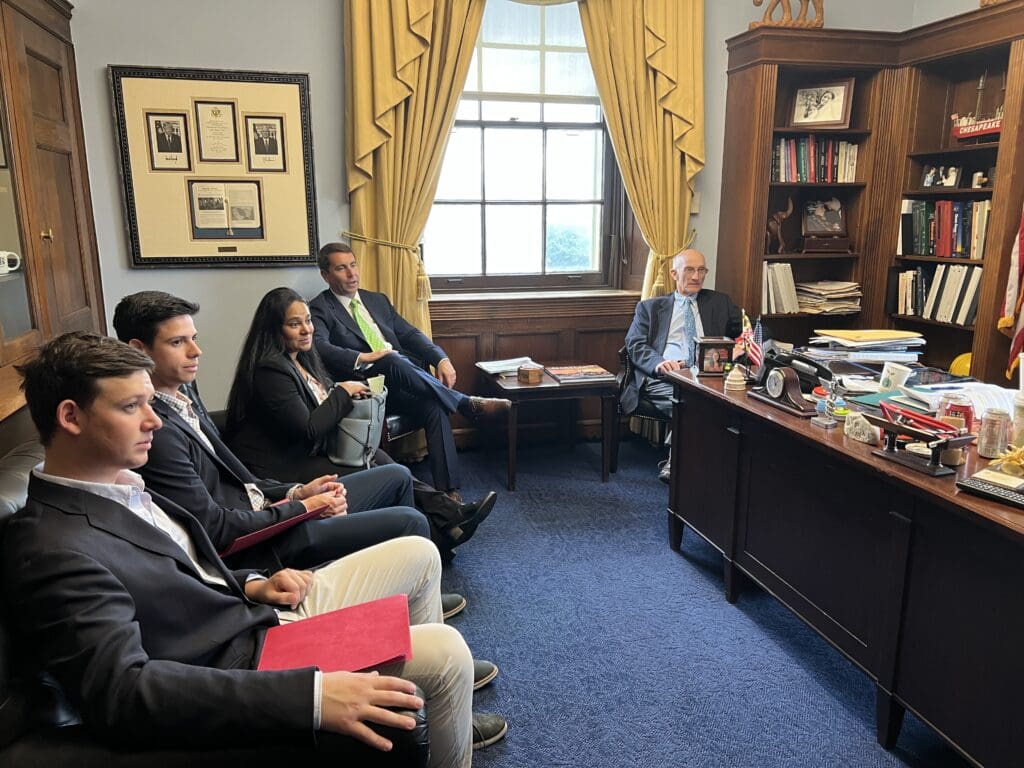
Brummel encourages participating in the NALP fly-ins, as these serve as a time to build rapport with representatives.
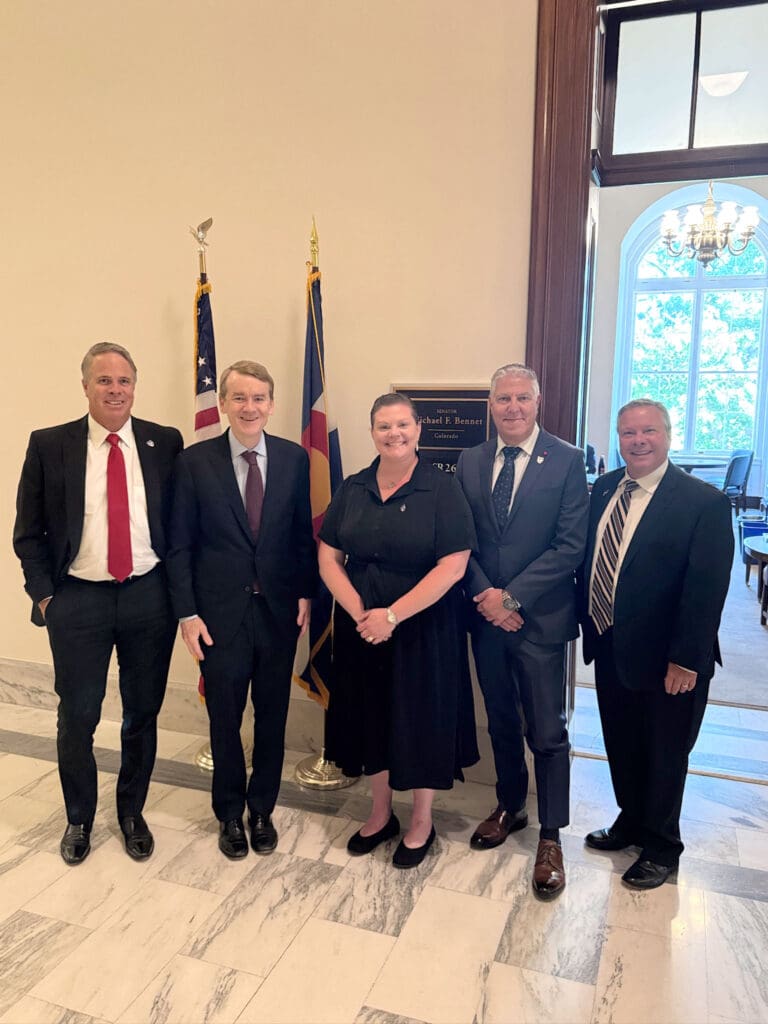
“A lot of our elected officials who have been there for years know who we are,” Brummel says. “They know our faces. They understand the issue, and we just got to wait for the right time, but we have to stay in front of them and keep going, and when the right time hits, hopefully we can get change.”
Stratton acknowledges that it’s easy to think you’re just one voice, but if you don’t take the time to share your story, no one else will.
“You don’t have to be an expert, you don’t have to have all of the legal knowledge,” Stratton says. “You just need to start and talk about how this is impacting you.”
Brummel says advocacy is no different from attaining new business. You have to get to know your elected officials and talk to them regularly. He says it’s also important to talk to representatives on both sides of the aisle.
“If you don’t agree, shake their hand on your way out the door and keep that door open and just keep having those conversations,” Brummel says. “You’re probably not going to change their opinion, but if you still have that relationship and open dialogue, there’s respect there.”
Brummel suggests educating clients about the H-2B program as well, so they can advocate as well.
“When they’re talking about it, then it builds up momentum,” Brummel says. “From going national and letting all our elected officials know to our local people, it just builds up momentum. Otherwise, we’re just a small issue in the big scheme of everything.”
Another effective advocacy method is to tell your story through the letter-writing campaigns NALP organizes.
“Those calls to action make it really simple,” Stratton says. “If you just sign up for the alerts, you can send it out to your team members and make sure that as many times as your message can be spread and spoken, it can be heard.”
Swortzel says he’s written letters to their representatives with the help of NALP.
Bray explains that staffers are responsible for tracking emails, mail and phone calls and giving a weekly report to their Congressperson about specific issues. He encourages landscape companies to also attend the H-2B townhalls, join the H-2B work group, and sign up for The Advocate newsletter.
NALP’s Advocacy Efforts
Since 2018, NALP has helped increase or maintain the number of additional visas available.
“We’ve had the administration assert their discretionary authority at an earlier date, which is critical to allowing people to get their visas when they really need them,” Bray says.
NALP’s advocacy goals for H-2B in 2026 are to have the supplemental visas released, to have the certified seasonal employer language enacted into the appropriations for FY 2026 and to introduce a separate bill that permanently includes the certified season employer language.
“We were also being very active in the immigration debate right now,” Bray says. “While we know H-2B is a labor issue, not an immigration issue, that’s not the way it’s always perceived on Capitol Hill. So we are staying very active and involved in conversations on immigration so that A) regardless of H-2B, there could be more legal workers here, and B) if something moves on immigration, it’s a good opportunity to tie H-2B to it.”
Brummel acknowledges that the state of the program is frustrating, but unless the industry keeps fighting for H-2B, nothing will change.
“If we take our foot off the gas, or if we try to change our direction on it, it’s going to fall off the radar and we have momentum,” Brummel says. “We have the buy-in. We’re getting somewhere. It’s just definitely not as quick as any of us want.”
Brummel encourages more companies to participate in sending emails to their representatives and attending the fly-ins.
“The more voices we can add on all our issues, the better off we are versus letting everybody else carry the weight,” Brummel says. “When you go to the fly-ins, it’s the same 200 people. But if we got a fly-in where we had 800 or 1,000 people, that’d make a huge difference. Also, realize that one fly-in is not going to make a difference. You got to keep going. You’ve got to keep in front of them when they’re back in the district.”
This article was published in the January/February issue of the magazine. To read more stories from The Edge magazine, click here to subscribe to the digital edition.