
In the landscape industry, you are selling labor hours, so it’s natural to want your maintenance crews to complete as many jobs as possible in a day, but it’s critical to ensure quality isn’t sacrificed in the process.
Define Your Standards
Before your team members even leave the yard, you need to guarantee that everyone is on the same page as far as what quality work looks like at your organization.
This starts with your onboarding and training so there is a set standard for how crews should go about pruning, watering, weeding and caring for customers’ properties. If you fail to show clear examples of what quality work looks like, it can easily vary by crew as they each will assume a different standard.
When determining your quality standards, focus on what practices add value in the clients’ eyes and how you can meet your clients’ expectations about their property.
Create Sustainable Schedules
One area that can set crews up for failure before they head out is if they are given overloaded routes or jobs with unrealistic production rates. Then employees are put in a position where they are forced to hurry through their work, and quality can easily slip if they aren’t allotted enough time to do the job well.
Take into account windshield time and how potential weather conditions could impact schedules when building them. Talk to crews to see if they feel they have an adequate amount of time to accomplish their tasks or if they frequently feel rushed.
You can also utilize NALP’s Sample Landscape Production Rate publication to evaluate your own production metrics and improve your overall estimating.
Incorporate Accountability
The last thing you want is for your crew’s quality of work to be based solely on the number of customer complaints you received.
Instead, build out a system of checkpoints that allows you to hold your team members accountable and coach them as needed.
For instance, you could require your crews to capture photos from each property before and after working. This not only provides proof of work for your clients but also makes it easier for managers to review crews’ work and highlight if there are any areas in need of additional training. The key is making sure employees are taught what qualifies as acceptable photos and that the images are truly reviewed.
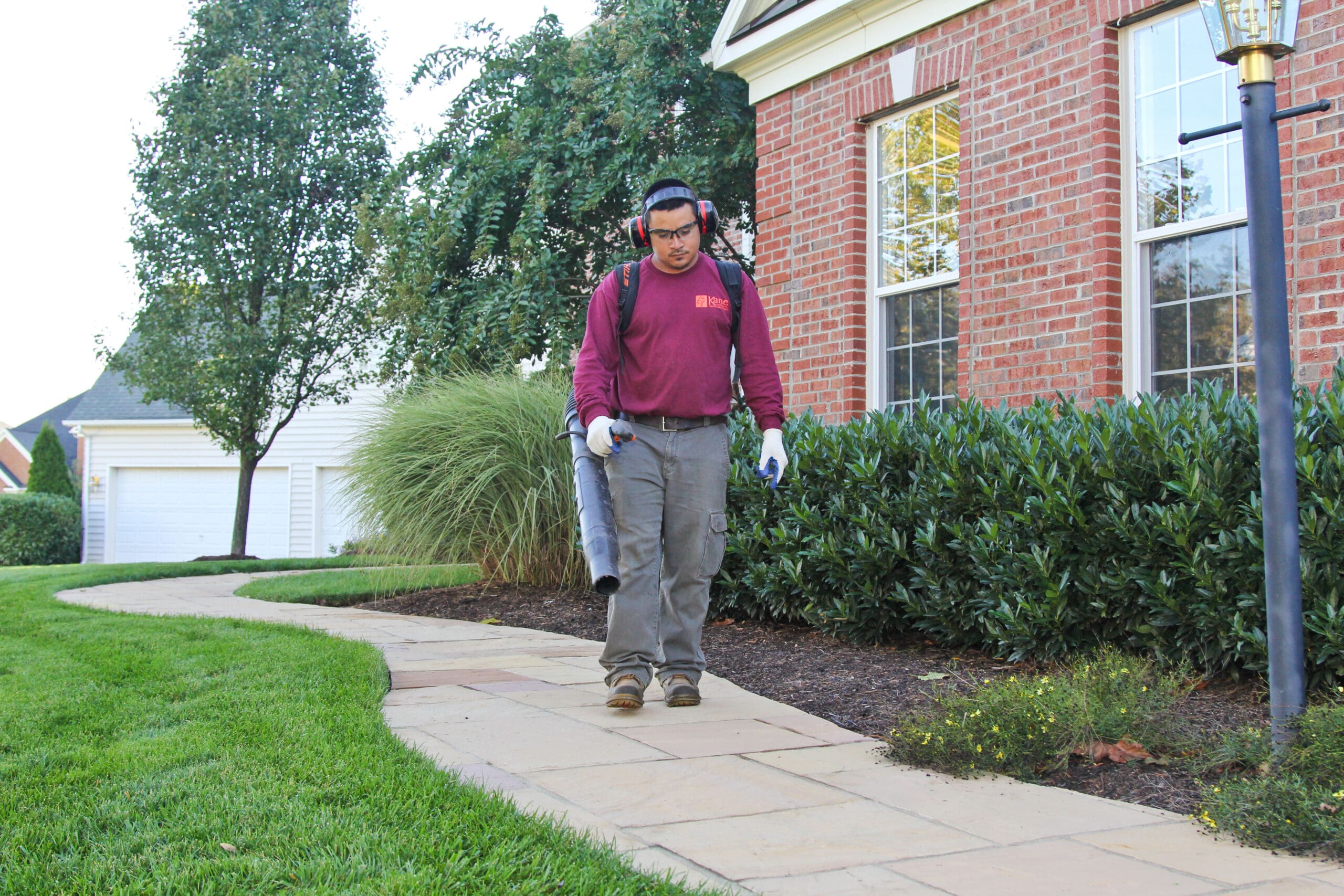
Digital checklists are another simple system that can help prevent certain tasks from being overlooked. For instance, your residential maintenance crews could have a checklist that reminds them to ensure the gates are secured after leaving, trash cans are rolled in and that all hardscapes have been blown clean.
Holding end-of-the-day debriefs can also be useful to discuss problems that were encountered and solutions for the future.
No matter what systems you put in place, you can’t eliminate having supervisors conduct random field visits. During these visits, they can coach in real time and recognize team members for good work. Employees are far more likely to adhere to your standards when they know someone is going to hold them responsible.
When Quality Still Isn’t Improving
Aside from physically visiting sites or reviewing property photos, some of the metrics that can indicate a drop in quality include:
- Increased callback rates
- Decreased customer retention
- Negative customer survey scores
- Increased warranty work
- Negative online reviews
If you are dealing with constant callbacks, chronic overtime and your crews are struggling across the board, these are warning signs that some deeper operational changes are needed.
Take the time to evaluate whether it is a people, process or capacity problem. In some cases, crews may not be receiving enough training to meet your quality standards or your routing is causing employees to run behind constantly. In other instances, you simply may not have enough team members on staff to complete all the work in a timely manner.
Rather than just asking your team to work harder, you may need to make a strategic decision to raise prices to create healthier production schedules or let go of chronically unprofitable accounts. One option is to take on larger, more profitable properties where your crews can spend more time on site instead of adding on dozens of smaller sites that teams have to rush through.
The quality of your work is your calling card, so it’s important to create clear expectations and address operational issues before customers complain. By incorporating systems and regularly evaluating if changes need to be made, you can maintain high-level work while running efficiently.