

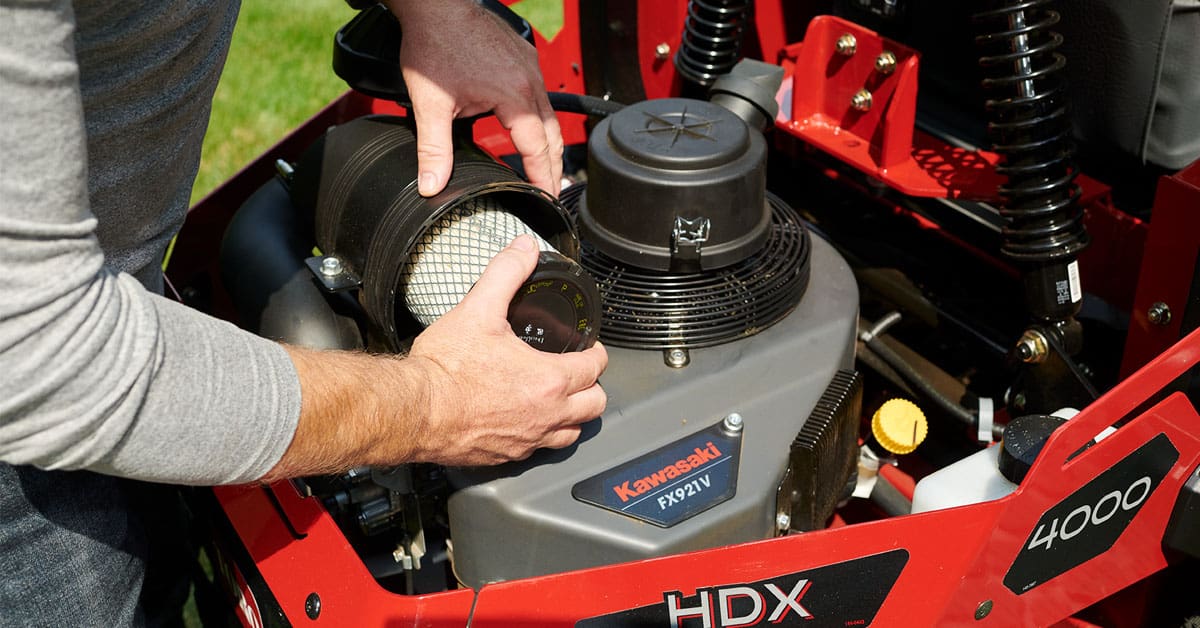
If you want to avoid downtime, you can’t afford to neglect mower maintenance in the spring.
The first week of March marks Lawn Mower Maintenance Week, and it is a prime time to review your mower fleet to ensure your crews’ equipment is ready for the growing season.
“The mower parts most likely to fail without spring maintenance are the engine components due to friction and heat,” says Wes Bollingmo, channel and product support manager at Toro. “Specific high-risk parts include: air filter, the fuel system, drive belts and spark plugs.”
Factors That Lead to Spring Breakdowns
How much the mowers were used over the previous mowing season, how well they were maintained during that time, and whether they were winterized will all play a role in the likelihood of breakdowns occurring. This risk is heightened when routine maintenance is missed.
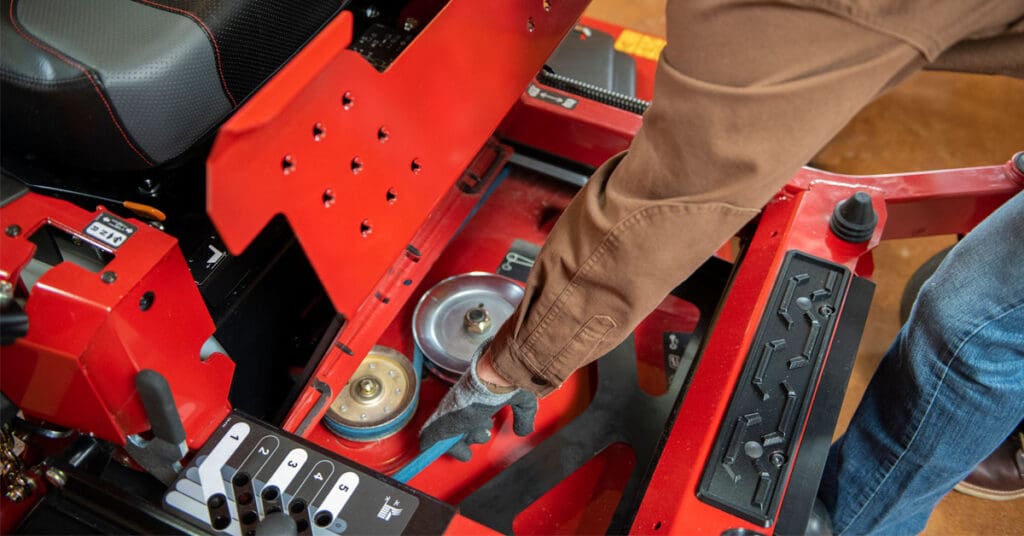
“Establishing a routine is key,” Bollingmo says. “Oil that has sat for months loses protection and viscosity, which increases the friction and heat that kills small-engine components. Likewise, air filters load up fast during the early season with dry grass and dust. While some might try to blow out a filter, it is smarter to replace it; blasting debris in the wrong direction can create a ‘breach point’ that lets fine dust through to the carb and crankcase.”
Poor storage over the winter can also increase the probability of downtime in the spring. These issues often boil down to fuel and moisture.
“Leaving gas in the tank is a major mistake, as it can start degrading in roughly a month, gumming up carb parts or causing sticking valves,” Bollingmo says. “Ethanol-blended fuels are particularly problematic because they absorb moisture while in storage. On the chassis side, failing to clean off damp grass clippings before storage can invite rust, and parking tires directly on cold concrete without an insulating material like cardboard to rest on can cause them to lose pressure or become damaged.”
What to Inspect
When inspecting your fleet, Bollingmo recommends prioritizing the mowers that generate the most billable hours first.
“If these workhorses fail during the peak season, it could impact your revenue and productivity,” he says.
After these, look at the units that have the highest accumulated engine or operational hours, as these higher hours directly correlate to increased usage and are likely have more wear and tear on all their components.
Bollingmo sums up your spring mower maintenance inspection checklist in three points. You need your mowers to run well, cut well and move well.
Run Well
As mentioned earlier, if old fuel is left in mowers, this can cause serious damage to the engine. Engines that run on ethanol-based fuel are at an even higher risk of corrosion to carburetors, injectors and the valve train.
Changing the oil in the spring also helps ensure the mower will run cleaner, cooler and longer as antiquated oil can generate more friction and heat is the number one killer of small engines.
Another way to prevent overheating is to replace air filters, as these allow the engine to pull in cool air, regulate temperature and maintain efficient combustion.
“A clogged air filter also acts like a thermal blanket, trapping heat and causing poor running conditions,” Bollingmo says.
Cut Well
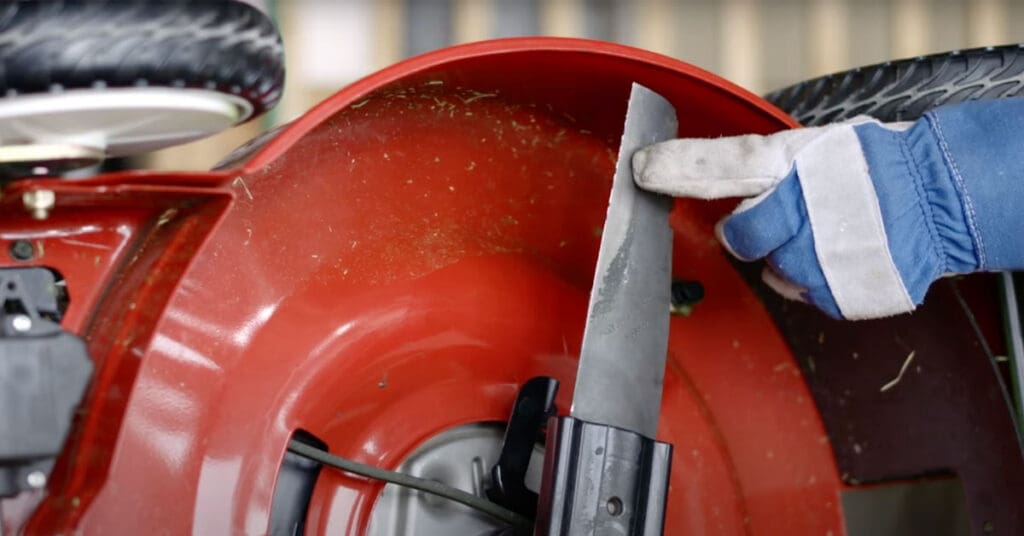
If you failed to winterize your mowers last year, there’s a chance your machines’ blades need to be sharpened or replaced.
“Depending on how the mower was stored, keep an eye out for light surface rust and pre-existing wear that may have gotten worse,” Bollingmo says. “The points of the blade shouldn’t be rounded off, and the blades’ edges should be sharp before the unit is sent out to start mowing. Dull mower blades lead to a rough cut and a brown lawn. If the grass isn’t cut cleanly, the fibers at the end of the grass blade fan out and have more surface area to soak up the sun and dry out.”
Move Well
Tires naturally lose pressure over the winter months, and low tire pressure tilts the mower, causing an uneven cut and increased resistance, forcing the engine to work harder. Properly inflated tires keep the mower level for a smoother cut.
Additionally, the mower drive should engage smoothly and pull its weight without hesitation. Check all drive components to make sure they are clean, free of debris and move freely.
“Make sure the V-shaped sides of the drive belt aren’t shiny or glossy,” Bollingmo says. “That indicates slippage and heat built up, which could lead to a breakdown. Also, check pulleys for wear and damage. Make sure drive cables are properly adjusted, oil levels are correct, and bypass valves are engaged.”
Are Your Mowers Field-Ready?
Beyond a basic visual inspection, Bollingmo says the following tests also help confirm a mower is field-ready:
- Perform a quick operational test of the fuel system, engine basics, blade condition, and drive parts to catch common spring problems before reaching the job site.
- For battery-powered mowers, charge the battery until it reaches full charge and perform a test start to ensure the system is holding power correctly.
- Check for unusual vibration while the mower is running. Bollingmo explains that excessive vibration often indicates an unbalanced blade, which can lead to paint wear, rust, and eventually costly component failures.
- Check that the air filter and the underside of the deck are clean to ensure the engine is “breathing” properly. A mower that struggles to regulate temperature during a test run is at high risk of a heat-related breakdown.
- Make sure that self-propelled units pull their own weight without hesitation. If there is slippage, the drive cable may require adjustment to apply proper tension to the belt.
