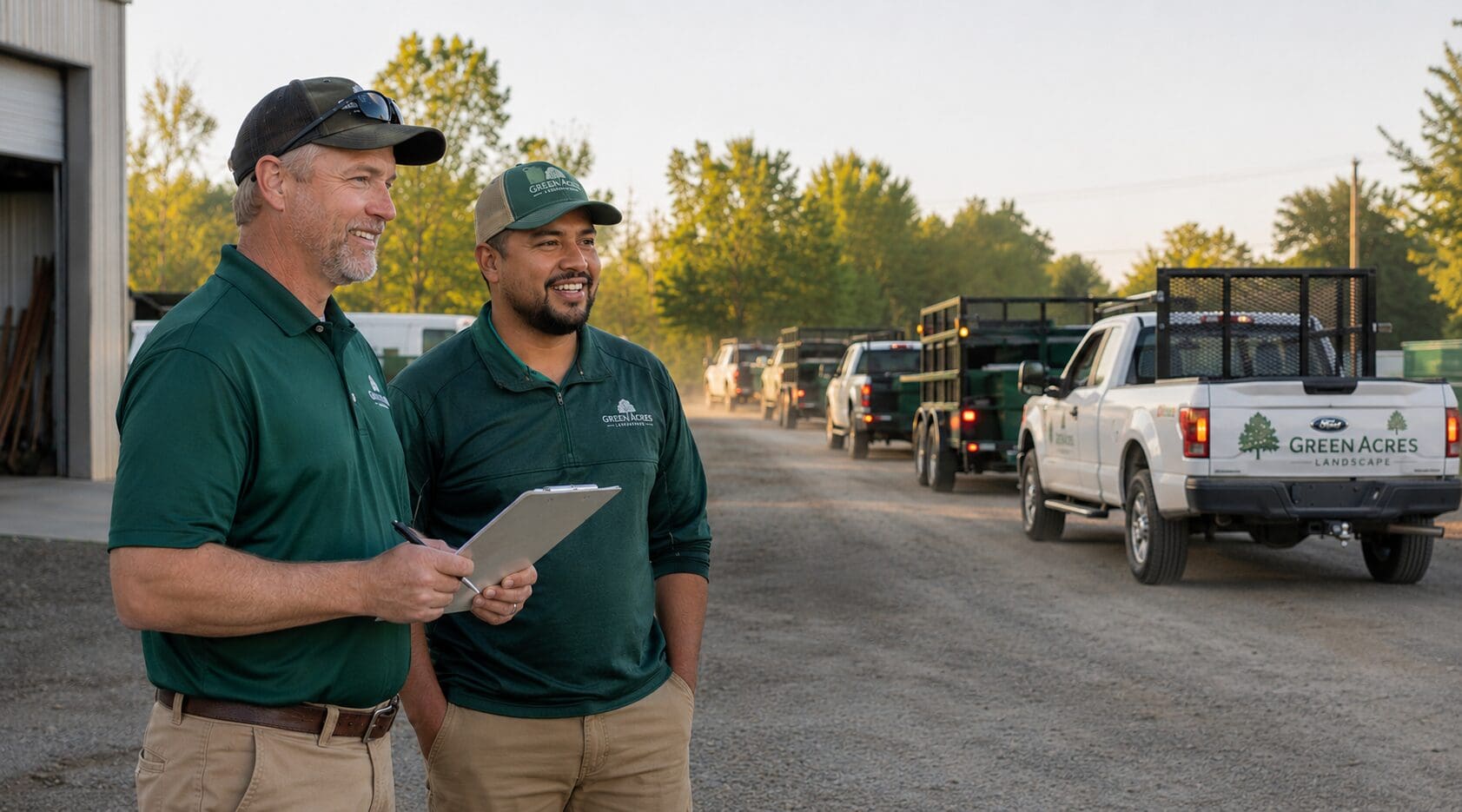
If your business has reached the point where you have multiple branches operating throughout your service area, one of the keys to success is ensuring that these various locations are operating to your set standards.
While an office may look great on a P&L, it’s a good practice to visit your branches on a regular basis to review how people, equipment and information move through the branch so you can identify areas where time, money or productivity is being lost.
Define the Scope
Before conducting branch audits, first define the scope of the visit. Has an issue already been identified and you are visiting to get to the bottom of this specific problem, or is the audit designed to look at the branch holistically?
Also make it clear to your team before a visit to their location that this isn’t just you trying to catch individuals making mistakes. The audit should focus on both celebrating what the branch is doing well and identifying if there are any serious shortcomings.
If you are looking at the branch as a whole, consider who also should be involved in this process, such as the branch manager, account managers, crew leaders and the safety manager. During the review, ask team members about the pain points they are currently experiencing and how things could go smoother for them.
Aspects to Review
When visiting a branch, observe the crew’s morning and evening processes. Take note of when employees arrive versus when trucks actually depart for work in the morning.
During the morning rollout, pay attention to whether crews seem to know their assignments, whether they have to search for tools or materials, and whether trucks have to be moved repeatedly before departing.
Similarly, when employees return at the end of the day, watch to see how tasks such as dumping debris, refueling and preparing for the next day are handled.
Both of these processes can lead to hours of wasted time if crews are not tackling them in an efficient manner.
As you conduct your walkthrough of the shop and yard, inspect how tools are stored as well as if processes are in place to identify which equipment is in need of repair. The yard should also be laid out in a way that allows crews to flow smoothly through loading, leaving, returning and unloading.
It’s also a good idea to examine several different truck and trailer setups to see if crews are consistent with the placement of tools and required documentation. Reviewing multiple trucks also gives you a sense of the general cleanliness of the vehicles.
You should also check your equipment fleet for signs of damage, missing safety features or overdue maintenance. Failing to hold team members accountable for equipment care can lead to future breakdowns and possible accidents.
On the other hand, if you see areas where your team is excelling, make sure to point these out and recognize employees for a job well done.
Overlooked Elements to Inspect
While inspecting the physical location is obvious, it’s also important to take a deeper dive into how the branch operates.
Assess whether inventory records match actual quantities, how crews access daily assignments and route information, and how the branch organizes customer requests. In the office, review how visible performance goals and safety information is as well as how the team addresses unresolved issues between departments.
Auditing the location’s routing can also help identify inefficiencies such as crews returning to the branch throughout the day, properties assigned based on habit rather than geography and distance between properties. Talk with crew leaders to see what tends to be their biggest challenges when it comes to getting from job site to job site.
Branch audits can also serve as a time to drive out and visit nearby projects and observe how crews tackle jobs. You may notice a lack of proper PPE being worn, poor job sequencing or crews failing to document their work, which are all areas to improve.
How to Make Branch Audits Productive
If you’re going to take the time to travel to your various branches, you want to make sure that how you evaluate them is done in a consistent manner so you can track any trends that appear over time.
Having a simple checklist and rating system will help distinguish between what areas are compliant versus those that need immediate corrective action. You’ll also want to document any issues as they are found so it is easier to develop a response. For instance, instead of just writing down ‘trucks are disorganized,’ take pictures of the trucks in question and specify what exactly about them should be organized better.
It’s also a good rule of thumb to come to your branches prepared with relevant data so you can investigate what may be the root cause of any issues you’ve noted. For instance, if one particular location has been dealing with a rash of customer callbacks or later-than-normal morning departures, these are areas you’ll know ahead of time to focus on during the walkthrough.
Implementing Lasting Changes
Once you’ve identified where changes need to be made, then prioritize the list so your team isn’t overwhelmed by trying to make dozens of changes all at the same time. You can narrow down what should be addressed first by considering its impact on safety, finances, operational disruption, customer impact and ease of correction.
Don’t just tell your branch manager what needs to change and leave. You also need to explain the why behind it and determine who is responsible for driving the change. Set a clear completion date and what acceptable performance looks like.
To prevent backsliding, make sure the improvements become part of the team’s daily processes. If it is something they assume is a one-time fix, things will quickly return to their original state you found them in.
When determining a solution, make sure employees have the necessary resources to execute your desired processes, as they are unlikely to adopt something that slows them down or creates additional steps.
Oftentimes, embedding more senior employees in a struggling branch can help with training and improving the branch leadership. Track measurable outcomes and have a set follow-up time to see whether conditions have improved.
Conducting branch audits helps protect your overall brand as they ensure everyone is held to the same standards and customers receive the same level of care no matter their location.