


The ‘100 days of hell’ is a phrase well-known in the landscape industry that refers to the busy time period leading up to the 4th of July. This chaotic stretch of the season can put a major strain on your team and start your business off on the wrong foot if you’re not adequately prepared.
Taylor Milliken with Milosi, based in Henderson, Tennessee, notes the first step is to stop calling the busy season the ‘100 days of hell.’ At his company, they call it the ‘100 days of heaven’ instead.
“We believe words have power, and if we put this negative label on our busy season, a negative mindset is sure to follow,” Milliken says.
Training New Hires
Ken Kuntze, director of operations with Hidden Creek Landscaping, based in Columbus, Ohio, says your success with retaining new hires during this demanding season starts with the job interview.
“Just because they have a driver’s license doesn’t mean you should hire them,” Kuntze says. “It’s finding the person who has experience or has the right attitude to learn. Painting a realistic but almost ugly picture is important to see if they get it and want it.”
As you bring on new team members, it is critical to get them trained where they are productive and performing at an acceptable efficiency level.
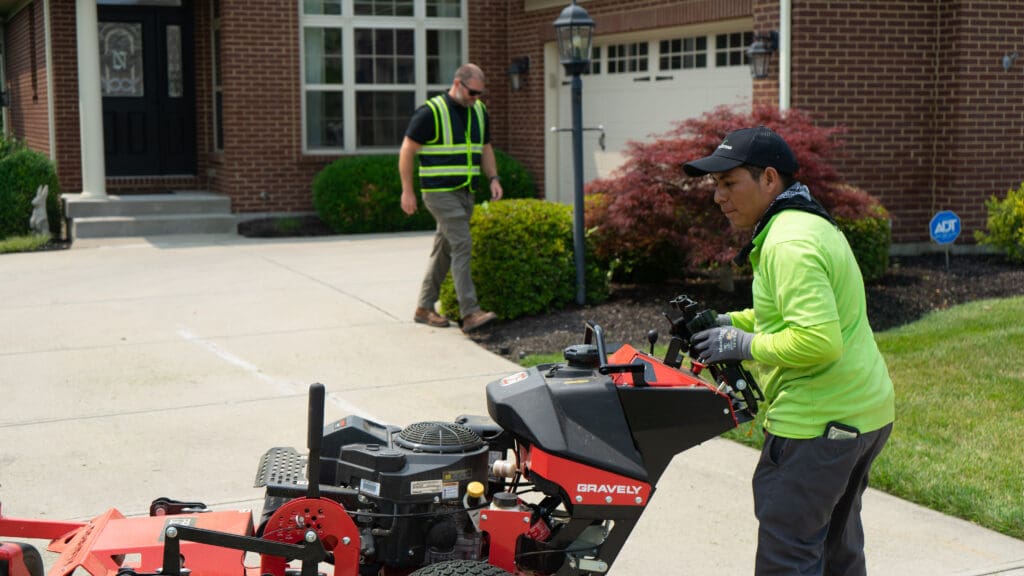
“Training has to be accomplished at the most basic level to perform the most basic aspects of any of your services,” says Mike Rorie, a board member of GroundSystems, based in Cincinnati, Ohio. “If you think avoiding this to save time is valuable, that’s not the case. Because you don’t have people who can hit the quality in production standards that you need to in order to operate the business. So training truly is cheaper.”
Kuntze says they utilize Greenius to provide out-of-the-box training videos for their new and existing employees.
“With Greenius, you get tests and checklists to grade your teams’ competencies after watching the videos,” Kuntze says. “You can watch these videos as a group, or you can assign them individually to watch on their phones.”
Hidden Creek also conducts 30-60-90 day reviews so new hires know where the management team feels they are progressing and need improvement.
Milliken acknowledges that training is one of the toughest aspects of the business, as you must slow down to speed up. They also have a 90-day process where new team members get orange vests and will graduate to yellow vests at 90 days of employment. He says this helps everyone pay more attention to the new team member to ensure their success.
“We have also started the process of field trainers to help provide more daily training that is often difficult to facilitate as a crew leader who is still trying to meet a budget for the day,” Milliken says.
Handling Turnover
Turnover is a constant dilemma landscape companies face throughout the year, but it’s particularly painful when it happens during the busiest part of the year.
Rorie says they monitor their employee retention rate and aim for 80% retention.
“Keeping this number in front of us keeps us focused on where we’re at, knowing when retentions are low, costs are higher, safety becomes a concern, and eventually, customer satisfaction,” Rorie says. “So, employee engagement is the key to retention, and we work hard at it.”
Milliken notes if turnover is particularly high, it could come back to hiring.
“Sometimes you find that you don’t have a retention issue, you have a hiring issue,” Milliken says. “This happens when you find yourself desperate or don’t have a clear ideal team member profile (who to hire and who not to). Most people put too much emphasis on experience and not enough on the culture fit.”
Milliken adds that staffing has become less of an issue for them by utilizing the H-2B program. They limit their exposure by not surpassing a certain percentage of H-2B employees as related to their total workforce.
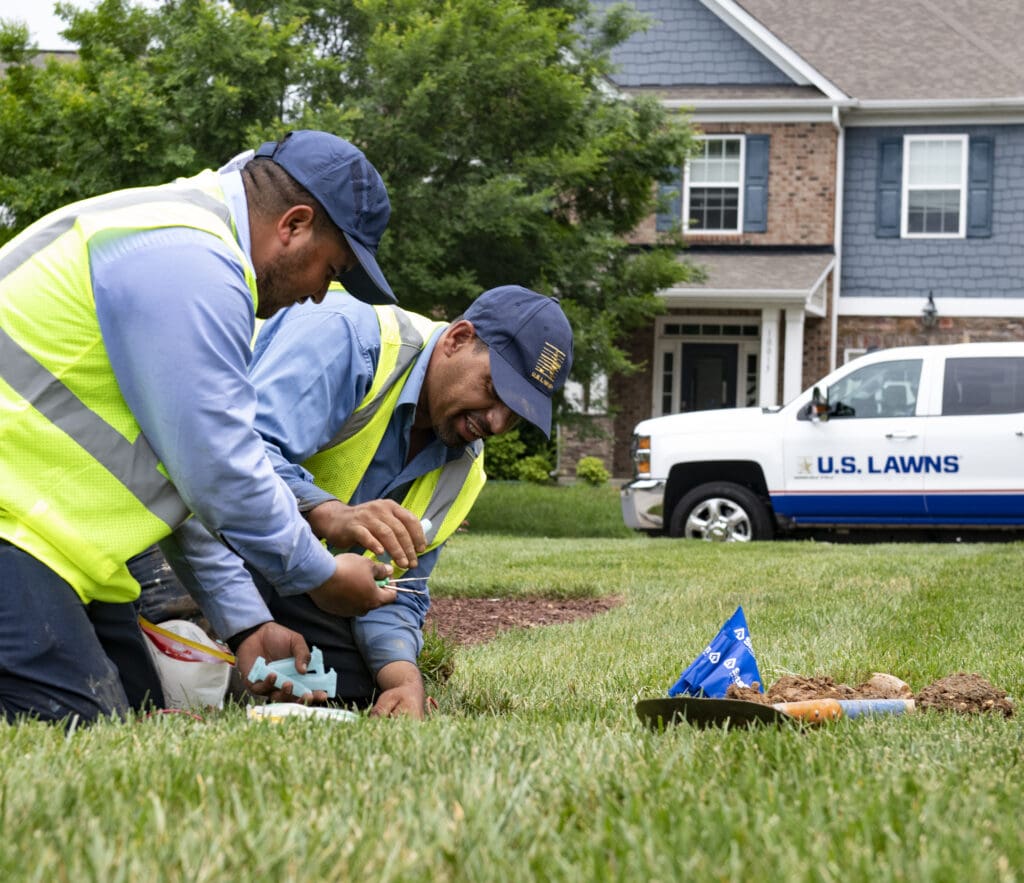
Kuntze says they staff up 120-140% per division to help account for attendance issues and turnover.
Ken Hutcheson, president of U.S. Lawns, headquartered in Orlando, Florida, says they choose to be proactive by hiring and training year-round so they always have a pipeline of talent.
“A well-executed recruiting program is essential, but the real key is fostering a culture of respect and engagement within our teams,” Hutcheson says. “When employees feel valued, they’re more likely to stay — and they’re also more likely to refer others.”
Kuntze says they also never stop recruiting and have a large ‘We are hiring’ sign on the front of their building.
“We have recruiting meetings weekly to discuss what backfill looks like for every position,” Kuntze says. “HR tries to always have a couple of people on deck in case we have an emergency. We also promote hiring via employee referrals and offering a referral bonus to all staff.”
Milliken says they act immediately when they experience turnover. In some cases, the workload can be spread out, but at other times, they may have to outsource office work or hire subcontractors to help with the field production.
“The most important thing is to not make the decision in a silo and get the team’s feedback,” Milliken says. “There can often be silver linings when turnover occurs. It can give someone else the opportunity to step up and should always give you an opportunity to hire up.”
Dealing with Burnout and Recognizing Employee Efforts
Whether your employees are new or veterans, the busy season’s long hours and demanding nature can take a toll on your staff.
Being understanding and showing your appreciation can help combat burnout.
Rorie says they have been known to take a breath by not working an extra day when they’ve been doing it 17 times out of the previous 20.
“If someone has a specific reason that requires time off, we will usually grant it as long as their attendance has been good,” Rorie says. “Proper staffing against workload sold is a critical balance that contractors need to get good at.”
Milliken says they are sensitive to their team members’ workloads and try to be proactive about taking days off or adjusting their schedule so everyone gets a reprieve.
Kuntze says they show their appreciation throughout the season by providing snacks, coffee, and fresh fruit every day.
“We do cookouts and breakfasts at different points of the busy season to show our appreciation,” Kuntze says. “We also promote them via client reviews that are left on our website – if a team member’s name is mentioned in a positive client review, they will get recognized in front of the entire company during a monthly meeting and rewarded with a $25 gift card.”
After successfully navigating this trying time, Rorie says they will do a cookout or visit a provider for lunch and games to celebrate.
“This is done by each of our branches with their teams,” Rorie says. “It’s a way for management to show appreciation and say thank you to the workforce.”
Milliken says they host routine company events with quarterly themes. The celebrations are tied to performance and can change up or down based on how well they performed.
“While there’s no official end to the season start-up, we make it a priority to recognize and appreciate our teams throughout the year,” Hutcheson says. “We celebrate hard work and loyalty through both planned and spontaneous events, ensuring employees at every level feel valued. Whether it’s team gatherings, appreciation lunches, or informal recognition, we make sure our people know their efforts are seen and appreciated — not just at the end of a tough season, but all year long.”
Key Takeaways
- Your mindset matters. Shifting your perspective can help foster a more productive and motivated team during the busiest season.
- Retention starts with hiring the right people, fostering a culture of respect, and maintaining an ongoing recruitment pipeline.
- Invest in training to maintain quality and acknowledge hard work throughout the year, not just at season’s end, to keep employees engaged and motivated.