

When you consider all of the data at your fingertips that come from running a lawn or landscape company, it can be truly overwhelming. However, you shouldn’t let analysis paralysis keep your business from digging into these valuable insights.
These numbers can tell a significant story about your business and help you make more informed decisions. Rather than guessing and going off gut feelings, you can know with certainty where your company is and when things get off track.
By reading between the lines, you can identify bottlenecks and optimize the usage of equipment, enhancing your efficiency. Data can also give you a better understanding of client preferences and behaviors, possibly enabling your sales team to be more strategic with their messaging and timing.
Utilizing your data can also give you a competitive advantage as you can spot trends and forecast market shifts.
KPIs to Monitor
Selecting the right Key Performance Indicators (KPIs) can help ensure you are monitoring the data that aligns with company goals.
Below are some of the KPIs to consider keeping a close eye on:
- Revenue per Client: Measures the value each client brings to the business. With this metric you can determine if a particularly troublesome account is worth the profit they bring to the company.
- Job Profit Margins: Tracks profitability by project or service. By tracking your job profit margins, you can identify when labor or material costs are getting out of hand or if change orders are not being charged.
- Client Retention Rate: Shows how well you retain customers over time. It is far more expensive to replace your existing customer base, so retaining the ones you have is critical to maintaining a good reputation in your area.
- Crew Efficiency: Measures time spent versus work completed. If your crew efficiency is poor, this could indicate it’s time to review your job sequencing.
- Schedule Adherence: Monitors if jobs are being completed on time. When an alarming amount of your projects are being completed later than expected, review what factors may be causing this such as not enough labor, weather challenges or not estimating the right amount of time to complete the job.
- Equipment Utilization: Analyzes how efficiently equipment is used to avoid over or underuse. You can identify efficiency opportunities like if a crew is showing high idle times.
On the flipside, some KPIs can be misleading if you are failing to look at the bigger picture. For example, if you’re focused on high revenue alone, not paying attention to the profit margins can blind you to operational inefficiencies or cost overruns.
Another distorted view you can have of your business is if you compare profits across different seasons without taking into account the natural variances in demand. Similarly, if you care only about employee productivity per hour, you can end up ignoring the quality of work being produced or client satisfaction.
A growing number of new clients can seem like a great metric, but if your resources are becoming stretched and quality is declining, your retention of these new customers will likely be short lived.
With marketing, social media engagement such as ‘likes’ may not correlate with client loyalty or actual sales.
Overlooked Sources of Data
While you’re probably tracking the majority of the KPIs mentioned above, other sources of data shouldn’t be forgotten.
For instance, your equipment logs can be a goldmine of information as you review usage and maintenance records. They can reveal when preventative maintenance practices are slipping, leading to more frequent breakdowns or if a machine is not being used as much as you assumed.
Customer feedback, whether through surveys, reviews or discussions with crew members or account managers should also be logged and tracked. Understanding the sentiment felt toward your performance can prevent you from being blindsided by cancellations.
Similarly, listening to field crew observations can also provide insights on where you can improve or if there is a need for increased training.
Even though the weather is an element out of your control, monitoring weather data and trends can help you plan out job scheduling and plant care more effectively.
Taking the time to benchmark against other companies in the industry can also help you see if there are any areas of the business that are performing above average or in need of some improvements.
Digging Into Your Data
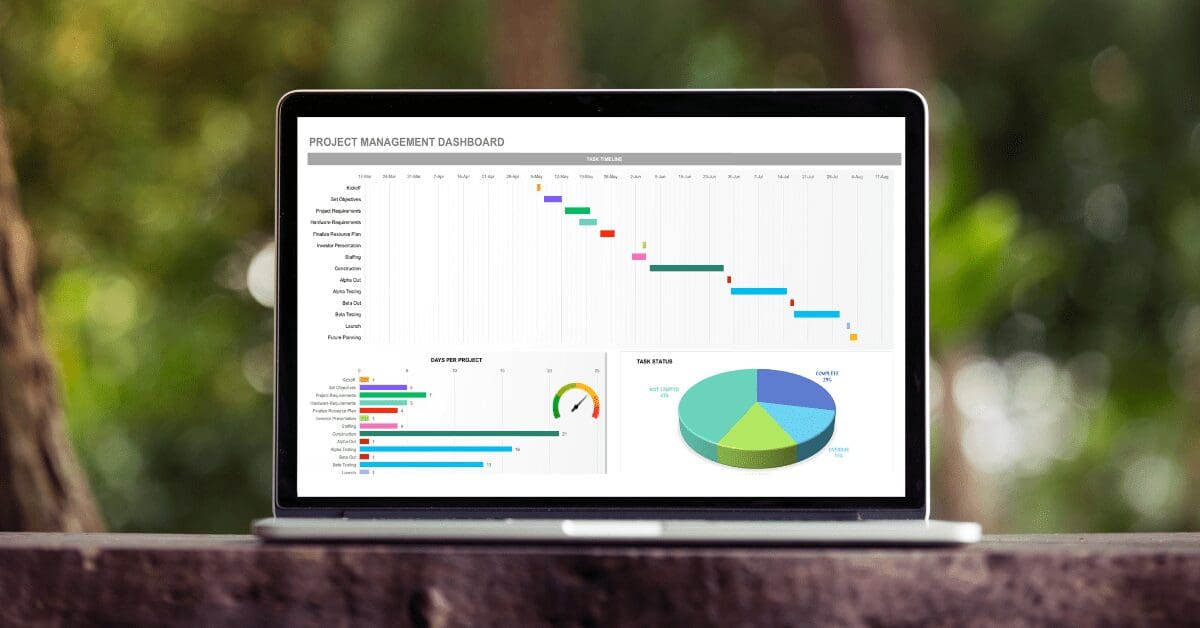
The key to utilizing your data is not just to collect it. Set clear goals for the data you are collecting and create charts or dashboards for easy ways to visualize the information.
Train your team on how they should gather these metrics as well as interpret and act on them. As your business grows continue to assess and adjust your KPIs regularly.
Be transparent about your numbers with your team so they know exactly what they’re trying to change and strive to move the needle.
