


Oftentimes, when you started your lawn or landscape business you had to say yes to anything and everything because it helped keep the lights on. However, lacking a niche and purpose can stunt your organization’s ability to focus on the work that truly matters.
“You’re looking for the intersection of what you like, where your gifts/capabilities are and what you can make a profit at in the market,” says Jeffrey Riddle, owner of Alterra Design, based in Dallas, Texas. “Then lastly, it’s equally important to become very clear about what you do not do and have the courage to say ‘no’ when you should.”
Finding Your Niche
You should always be looking for ways to fine-tune what you do and not be afraid to pivot if certain services or customer bases are no longer serving the business.
For instance, residential services and new construction installations supported Sullivan’s Landscaping and Maintenance, based in Milford, Delaware, for the first 22 years of the business.
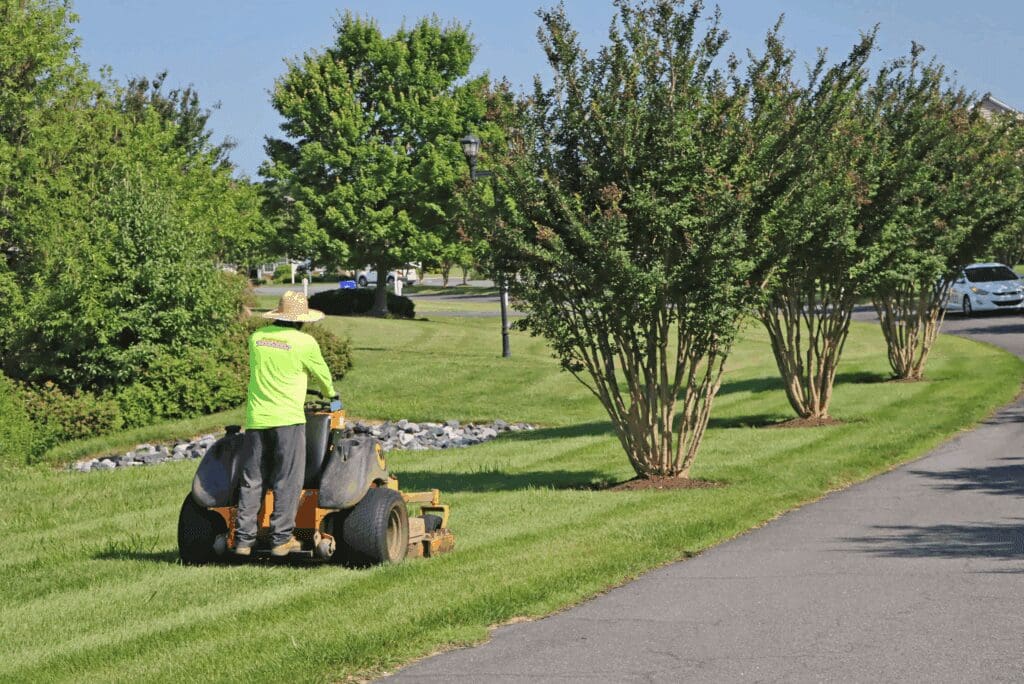
“But with the seasonal beach vacation hot spots in southern Delaware morphing into a year-round coastal lifestyle trend following the subprime mortgage crisis in 2008, the business opportunities presented the need for high-end HOA landscaping services to meet the demands of these new communities,” says Julie Hayes, Selbyville branch manager for Sullivan’s.
Doctor Lawn Landscape Management, based in Great Falls, Montana, started out serving residential clients, but by 2006, they had found their passion in commercial maintenance.
Wendell Furtick, owner and founder of Saluda Hill Landscapes, based in Lexington, South Carolina, says they found their niche in the early 2000s, and this is when they began to lean into what they do best and build everything around it.
Deciding What Services to Add or Cut
Defining your sweet spot of what you enjoy and what you do well will often require the removal of certain services or expanding into new offerings.
Landscape Technology Group, based in Vail, Colorado, performed snow removal for 10 years before opting to move away from it.
“Snow removal was something that we weren’t very good at, and it took a different type of employee who liked to get up early and be a machine operator all day long,” says Rich Leeman, owner of Landscape Technology Group. “Our different projects in the summer required the technicality of building boulder walls, installing water features and installing patios, which is very, very challenging and fun.”
Leeman adds that due to the snow removal season being 22 weeks long and only having 22 to 25 snow events, he could only employ people two days a week profitably for the company.
“I ended up having to pay them another two to three days a week to do other maintenance issues, like clean trucks, clean our skid steers and clean the shop, but after a month or two of doing that in a five-month winter, there’s nothing left really for the employees to do.”
Jeff Fliginger, founder and chief visionary officer of Doctor Lawn, recommends eliminating any service that doesn’t align with your vision, mission and is unprofitable.
When considering adding a service, this decision should be driven by aligning with your strengths, ensuring scalability, and profitability.
“It should also give us more control over the quality of the end result,” Furtick says. “That is why we have invested in things like our sod farm, in-house nursery, and in-house logistics.”
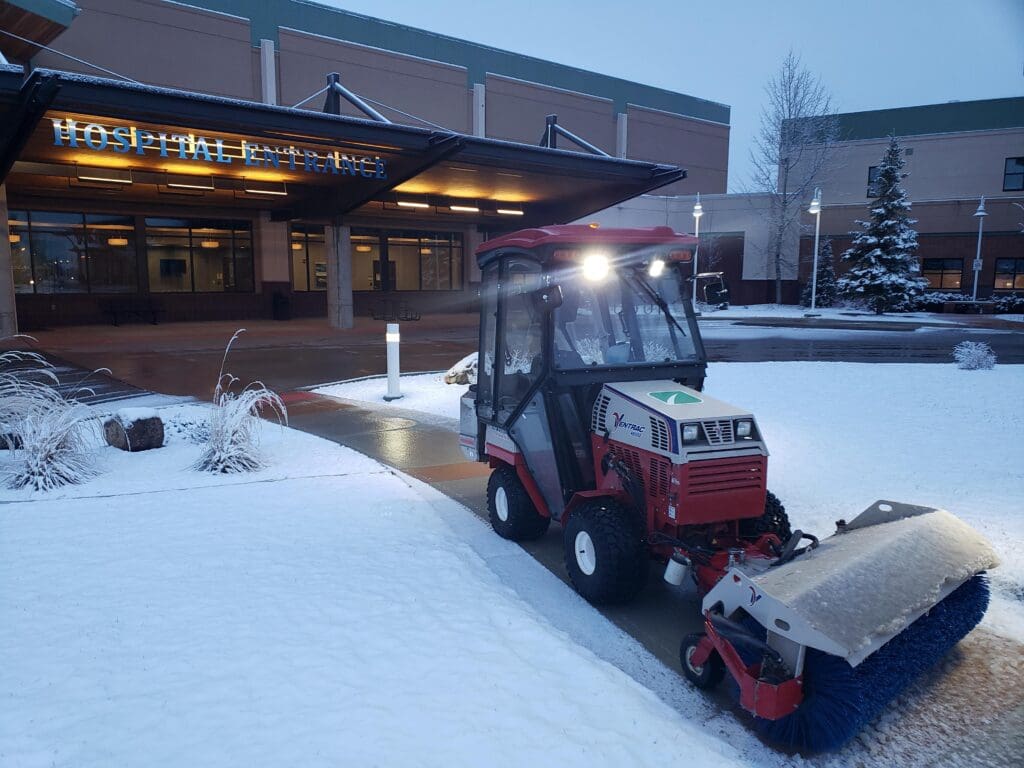
Riddle says they have been tempted to add various services from time to time, like adding on maintenance services.
“This has been an ongoing debate among our partners,” Riddle says. “Thus far, we have not been able to reconcile how doing this in our market would enhance our lifestyle.”
Customer demand is another consideration that may lead to the addition of other services. Furtick recommends being proactive and asking your customers periodically. Sullivan’s is currently exploring branching into HOA snow removal services, which they have previously passed on providing.
“Because most landscape companies stopped providing snow removal for communities, it’s become a desperate need of our customers and for potential customers,” Hayes says. “We listen and we pivot.”
Fliginger says they added parking lot sweeping at the request of a property management company, but he says they would not have if he didn’t feel they had the right people in place or the ability to acquire the necessary equipment to do the job properly.
“It’s important to hone your services to your ideal customer, because at the end of the day, they’re the ones deciding to do work with you,” Fliginger says. “They want to make sure that you’re the most effective and efficient solution to their problem, and if you’re not, they’ll look elsewhere.”
Benefits of Honing Your Focus
When you stop trying to be all things to all people, your team can reap multiple benefits. Furtick says when they decided to focus on their homebuilder clients, rather than residential customers, it freed up their resources, including people, equipment, and time.
“Every dollar, every hour, and every decision goes toward serving our clients at the highest level instead of being spread too thin,” Furtick says.
Riddle adds that knowing your customer base deeply takes a lot of effort, but being consistent and intentional over a long period of time allows you to achieve excellence.
“There is no shortcut,” Riddle says. “But the rewards of doing this are proven, NALP research shows companies that focus on a defined niche have 23% higher profit margins on average compared to diversified landscape firms.”
Each company that has found their niche cites seeing an improvement in profitability, efficiency and employee satisfaction.

“It starts with the front-line workers who have developed the skills to deliver outstanding results, for which they are very proud,” Hayes says. “Increased employee satisfaction leads to retention, which leads to more profitability. It’s amazing what happens when you invest in the people who make it all happen for the company.”
Furtick says that developing strong SOPs is a significant part of sustaining these improvements.
Knowing who your company is focused on can also improve your overall training and expertise.
Specialization can allow you to dive deeper into more specific topics that matter to your particular customer base. Hayes notes that servicing HOAs is very different from servicing commercial properties, as it is all about attention to detail and building relationships.
“Without their high-level understanding of the customer’s expectations, we are just another mediocre landscape company,” Hayes says. “By spending the time developing every crew member from the bottom up, we create an environment where the employees are proud of their workmanship, where there is opportunity for growth and where there is mutual respect across the multiple services. This is what separates us and allows us to deliver a superior service.”
Leeman says another benefit of narrowing your focus is being able to improve your bandwidth as an owner.
“For me personally, when I made that decision, my family time increased,” Leeman says. “I had some younger kids at the time, and I was able to spend more family time on a Saturday or on a Sunday, as opposed to being on call 24/7. My biggest advice would be, is it 24/7, 365? Is it taking a toll on your personal life? Then try to get more structure.”
This article was published in the November/December issue of the magazine. To read more stories from The Edge magazine, click here to subscribe to the digital edition.
