


NALP’s Landscape Technician Certificate Program isn’t just a great tool for providing basic training for your team on landscape maintenance, landscape installation and irrigation. It’s also being utilized by prisons to help set up returning citizens for success.
“Prisons are drawn to the program because it offers structured, industry-recognized training that leads to employable skills,” says Margo Rash, NALP’s director of professional services and programs. “The curriculum is aligned with real workforce needs and provides a clear pathway to job opportunities upon release.”
Emma Frantz, horticulture instructor for Las Colinas Detention & Reentry Facility, says they first heard about the program from one of their landscape instructors who had worked in the landscape industry years prior and was active in CLCA and CLCA testing of industry employees.
“We recommended to the facility and district that it be purchased based on previous experience with CLCA testing in the landscaping industry, and the success of industry employees who held certifications,” Frantz says. “We wanted our students to be competitive within the industry upon release.”
How It Works
Currently, five prisons are actively using the Landscape Technician Certificate Program, with two additional facilities currently in the onboarding process.
On average, 12 inmates participate in each session, and most facilities offer two sessions per year. So far, 129 have enrolled in the program across the five prisons. Of those, 105 individuals have successfully completed the program, with an additional 24 currently on track to complete it.
Freedom Rojas, horticulture instructor for East Mesa Reentry Facility, says they select incarcerated individuals with at least six months left to serve who have a real interest in horticulture or landscaping and conduct an interview process to decide who is allowed to participate.
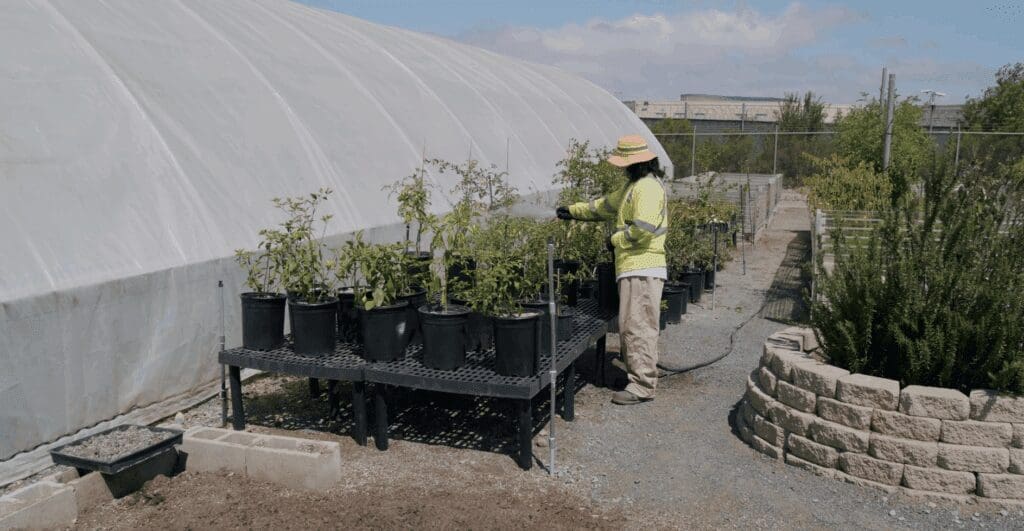
“For the women, an Inmate Worker Deputy places eligible students into our program,” Frantz says. “This is based on medical clearance and willingness to work in landscaping. We accept any students the Inmate Worker Deputy deems appropriate for our program.”
The certificate program gives participants a tangible goal to work toward during their incarceration and provides them with a comprehensive foundation in landscape maintenance, installation, irrigation and safety.
“These skills are in high demand and well-suited for classroom and some hands-on learning within correctional education settings,” Rash says.
Rash says while some instructor-led demonstrations may replace fieldwork, and written assessments are emphasized more heavily, the core curriculum remains intact to ensure all participants receive consistent, industry-standard training.
“If you’re looking for something that adds structure to your program, the NALP certification program can provide you with a curriculum that naturally progresses your students to higher levels of industry skills,” Frantz says. “We like that it’s available in Spanish and English, and that paper or online testing are both options. Students value the certifications they receive, and we are confident that they are receiving up-to-date industry training and knowledge.”
Benefits of Prisons Participating
The certificate program has benefitted multiple parties, including the participants, the prisons and the landscape companies who hire returning citizens.
“The IPs (incarcerated individuals) are very excited when they earn the certificates,” Rojas says. “It gives them a sense of accomplishment.”
Rash says that the certificate plays a critical role in reducing recidivism and supporting successful reintegration into society.
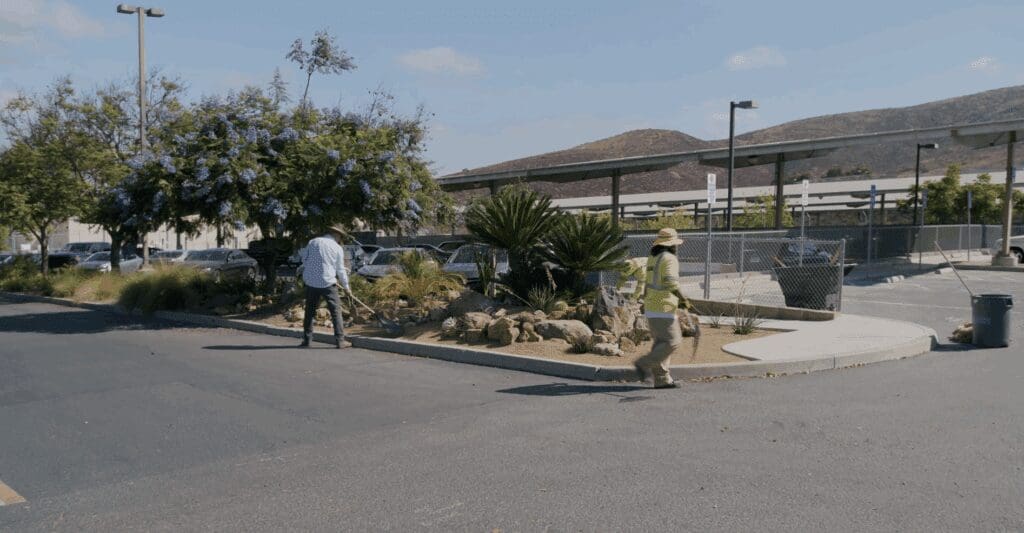
“Prior to having this certification program, our students were learning all the skills but didn’t have anything tangible to take to future employers, so they feel more confident about getting jobs with the certifications,” Frantz says. “In addition, not all of our students are residents of California, so having a national certificate is a positive for them.”
Rash says in one instance, a graduate of the program secured a full-time landscaping position shortly after release, and his employer praised the training for preparing him with both practical skills and a professional mindset.
“Before students leave our program, we help them write a landscape industry-specific resume with all of the skills they have acquired and certifications they have earned,” Rojas says. “The reactions they have to seeing a complete resume with their learned skills listed is so gratifying to them, and we have heard them express more optimism about gaining employment upon release.”
Rash adds that on top of gaining technical knowledge, the participants also gain confidence, discipline, and a sense of purpose.
Frantz agrees and says she has observed confidence, teamwork, and much better behavior with the incarcerated individuals in their program.
Rash says the instructors and facility education coordinators also appreciate the program’s flexibility, relevance, and emphasis on safety and professionalism.
“In some facilities, participation in the program has been associated with improved inmate engagement and motivation,” Rash says.
Rojas notes that as their students progress in the class, they start to take ownership over the facility and pay attention to the quality of the landscaping areas they are maintaining.
“They independently contribute to the maintenance schedule and communicate maintenance needs with us,” Rojas says.
Josh Chalfant, associate director of training and development for Environmental Management, Inc. (EMI), based in Plain City, Ohio, says they would absolutely be more likely to hire a returning citizen who has completed the Landscape Technician Certificate Program.
“Anybody who has that certificate, I think they’re a step above most people who just come in looking for a job,” Chalfant says. “Do I think that makes them a manager right off the bat, or a crew leader? No, but it gives them the insight into why we do what we do.”
Rash notes completion of the program also demonstrates commitment and follow-through under challenging circumstances.
Post-Release Employment Partnerships
EMI has made a point to collaborate with some of their local prisons, so they are notified of any individuals who are interested in interviewing, leading up to their release.
“There’s potential for a lot of good people who are returning,” Chalfant says. “That does not mean that everyone is, but at the same time, the people we hire every day, many of them we’re taking a chance on is this person going to work out or not?”
Rash says another NALP member recently hired a program participant post-release and has also volunteered their time to assist with in-prison training focused on irrigation repair.
“Many employers find them to be hardworking, reliable, and eager to prove themselves,” Rash says. “Hiring graduates of the program also supports second-chance employment efforts, which can strengthen company culture and community impact.”
Chalfant says one key to setting returning citizens up for success is not letting everyone on the team know about their previous incarceration. He says this prevents the team from holding preconceived notions, and the returning citizen gets a fair shot.
Chalfant stresses that just because someone has been incarcerated, it does not automatically mean they are a bad person.
“Somebody may have messed up, been out of the bar one night, had too many drinks, and that ended up with a fatality of some sort that landed them in there,” Chalfant says. “There are multiple different reasons why somebody could be in there that do not make them a truly bad person, and they’re in there to rehabilitate. Not everybody changes, but there are many people who do make a change.”
Key Takeaways
- NALP’s Landscape Technician Certificate Program is now used in several prisons to train incarcerated individuals in landscape maintenance, installation, irrigation, and safety.
- The program builds technical skills, confidence, teamwork, and discipline, giving participants a tangible credential that boosts employment prospects and supports successful reintegration.
- Landscape companies value graduates for their industry knowledge, reliability, and commitment, with some employers actively partnering with prisons to connect with potential hires before release.
