While staffing is typically the biggest challenge that landscape companies face when ramping up for the busy season, this isn’t the only hurdle businesses have to overcome.
From low cash flow to weather events out of your control, spring can be a stressful time period, but it doesn’t have to be.
Cash Flow Constraints
This time is commonly a low cash flow period due to various reasons. If you also do snow removal work, cash can be tied up in receivables and paying suppliers and subcontractors.
Mike Rorie, board member of GroundSystems, based in Cincinnati, Ohio, notes that if your business is growing quickly, it will eat cash faster than you can make and collect it.
Ken Hutcheson, president of U.S. Lawns, headquartered in Orlando, Florida, says because their commercial clients operate under annual contracts, they can anticipate and plan for the financial demands of the season by budgeting. He says they do have several strategies in place for when they face cash flow constraints.
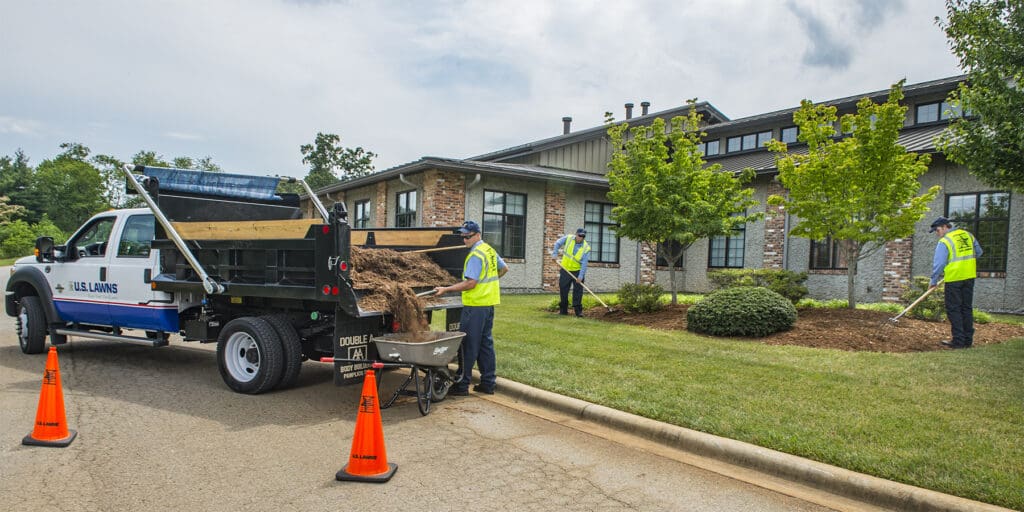
“We utilize bank lines of credit as needed, request deposits for installation projects, and require payment upon completion for items like mulch and annuals,” Hutcheson says. “This disciplined approach ensures we can seize growth opportunities while maintaining financial stability.”
Taylor Milliken with Milosi, based in Henderson, Tennessee, says they have worked with banks to secure a line of credit. He says starting out this was hard to secure, but as their company has grown and improved, it has been easier to access lines of credit.
“The best advice for any landscape contractor is to secure a LOC whether you need it or not and use it from time to time throughout the year, so the bank sees activity,” Milliken says. “If they don’t, they don’t think you need it, and they aren’t making any money off of you. I also believe you should try to increase it annually if your company is growing YOY.”
Rorie says they keep more working capital in the business, and if contractors can keep 90 days of cash on hand, that should suffice.
Ken Kuntze, director of operations with Hidden Creek Landscaping, based in Columbus, Ohio, recommends being as frugal as possible when the funds aren’t there. He also suggests budgeting for what is truly needed versus what is a want and can be purchased in the later months.
Equipment Downtime
Another common wrench in your operations can be equipment suddenly going down, impacting your team’s efficiency and ability to get the job done.
Rorie points out that if you’re keeping your fleet at an age where it’s reliable, excessive breakdowns shouldn’t be taking place.

Milliken says that in January and February, they perform annual deep cleaning, maintenance, and repair of all equipment of their fleet and growing season equipment.
Kuntze says they utilize a seasonal calendar for servicing equipment a few months in advance and use detailed checklists for their mow trailer setups.
“Washing trucks and equipment routinely and topping off all fluids on a weekly basis is key,” Kuntze says. “We do gate checks every morning with DVIRs being filled out, so we try to eliminate as many surprises as possible.”
Hutcheson says they are also proactive and follow a structured maintenance and replacement schedule to ensure equipment is serviced before issues arise.
“Additionally, we prioritize proper training for our teams on equipment use and care, which not only extends the lifespan of our machinery but also helps prevent avoidable breakdowns,” Hutcheson says.
When breakdowns do occur, Rorie says having strong relationships with your equipment providers and subcontractors can help in extreme cases. Kuntze recommends keeping some spare equipment on hand so that if something goes wrong, you have a backup.
Weather Disruptions
Spring also brings with it a lot of unpredictable weather. While this factor is out of your control, you can plan ahead and be flexible.

“Always have a secondary and tertiary plan in place,” Kuntze says. “Utilizing a 4-day work week if possible, so if you have bad weather, you can switch to the scheduled day off.”
Milliken says everyone should have a rainy day list of projects that can be done no matter how cold or wet it is outside.
“Additionally, we have started focusing more and more on finding ways to work even when conditions are less favorable,” Milliken says. “One example is tenting portions of a hardscape project like an outdoor kitchen or a seat wall. You can use the tent to hold in the heat and keep out the rain. We also focus on making sure we maintain positive drainage on all construction projects to at least minimize the amount of downtime we have when it rains.”
Customer Dissatisfaction
Tied to weather delays is maintaining customer satisfaction. Rorie and Hutcheson say the best antidote to schedule changes is to stay closely connected with your customers and let them know you are committed to keeping their properties maintained despite weather challenges.
“You must be very proactive and getting in touch with them and sharing the facts along with your expected plans to get things back on track,” Rorie says.
If you’re stretched thin, it can be even more challenging to provide excellent customer service. Rorie says continually asking for grace is not sustainable, so don’t oversell your capacity to deliver.
Milliken says they insert blank days between projects to allow for a speedier response to emergency projects and warranty calls. This helps them have fewer interruptions to their schedule. They also proactively add a percentage of days to large-scale projects that are notorious for adding change orders.
Proactive communication is critical to managing customer expectations. Kuntze says their sales team sends emails to clients at the end of the day to inform them what was completed and what’s on the schedule for the next day.
“We use the SMS feature in LMN to let customers know if we had to skip their normal mow day,” Kuntze says. “We ask customers what their desired day of the week is and an alternate in case of weather delays. Letting the customer know of any on-site conditions that would prevent us from completing a task is pivotal to our success and rapport with our clients.”
Milliken says one of their mantras is ‘We reach out to clients; they don’t reach out to us,’ which holds them accountable for controlling the client experience.
Hutcheson says they tailor their communication to align with each customer’s specific needs.
“The key to success is getting ‘behind the eyes’ of the customer — understanding their priorities, concerns, and expectations,” Hutcheson says. “By proactively providing updates, setting clear expectations, and addressing potential challenges before they become issues, we ensure strong relationships and smooth operations, even during peak demand periods.”
Key Takeaways
- Securing a line of credit before it is needed and budgeting wisely can help you navigate seasons of low cash flow.
- A structured maintenance schedule, detailed checklists, and proactive repairs in the off-season help prevent costly breakdowns.
- Proactive communication, personalized updates, and buffer days in the schedule help manage client expectations and maintain trust, even when unexpected delays occur.