

Labor shortages are one of the most frequent concerns for landscape companies, as they inhibit growth and can negatively affect customer satisfaction. This is why NALP is committed to helping strengthen the workforce pipeline.
“To meet this need, we are prioritizing initiatives that broaden and diversify the candidate pool while expanding early career exposure for elementary, middle, and high school students,” says Jenn Myers, executive director of the NALP Foundation and senior director of workforce development. “By reaching students at a formative age and opening doors to landscape career pathways, we can inspire future talent, support long-term industry growth, and ensure a vibrant, skilled workforce for years to come.”
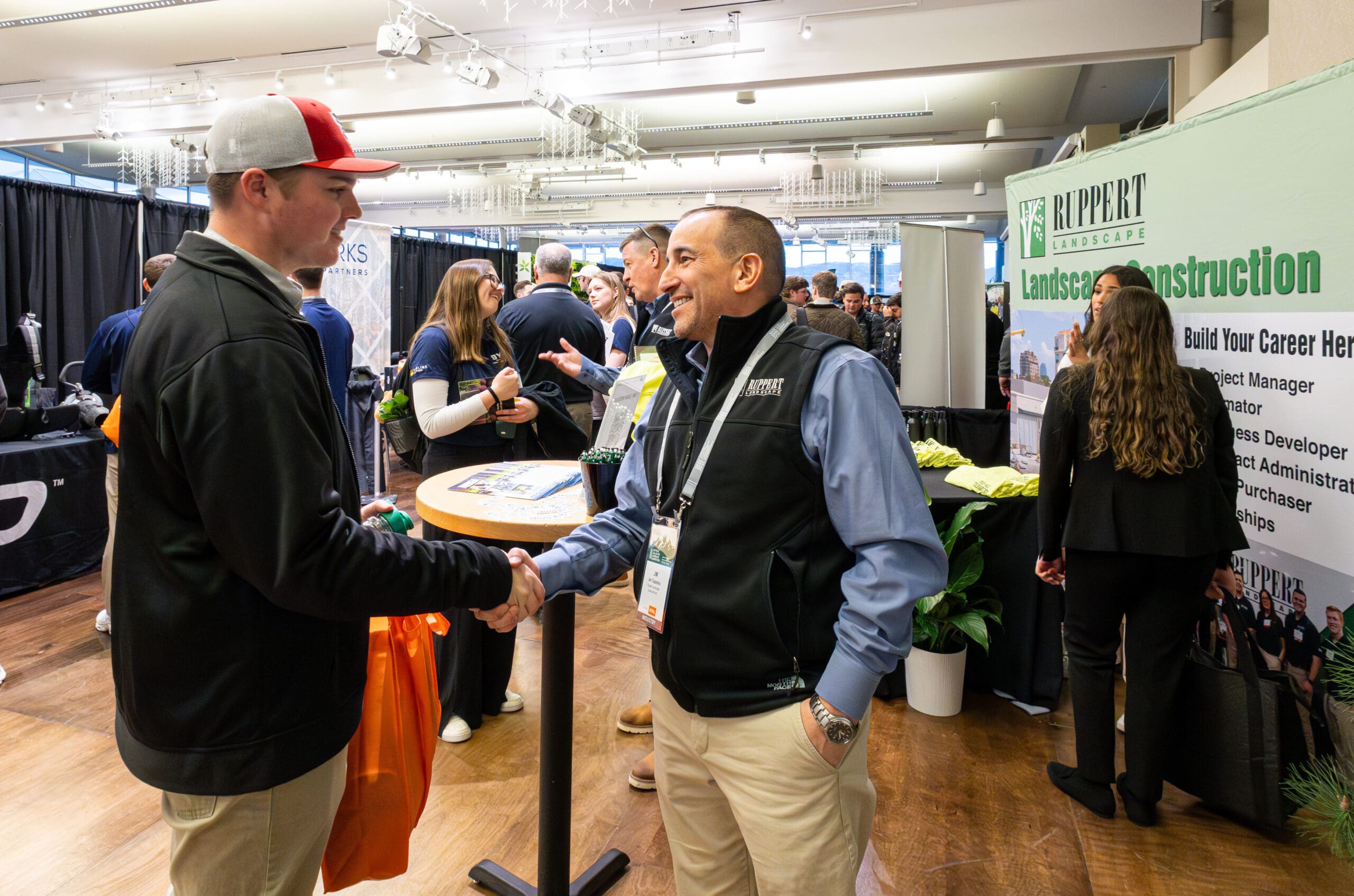
NALP is using a multi-layered approach to reach new audiences and support member companies. Myers says this includes promoting career pathways to students, parents and educators as well as strengthening employer-student connections at the National Collegiate Landscape Competition.
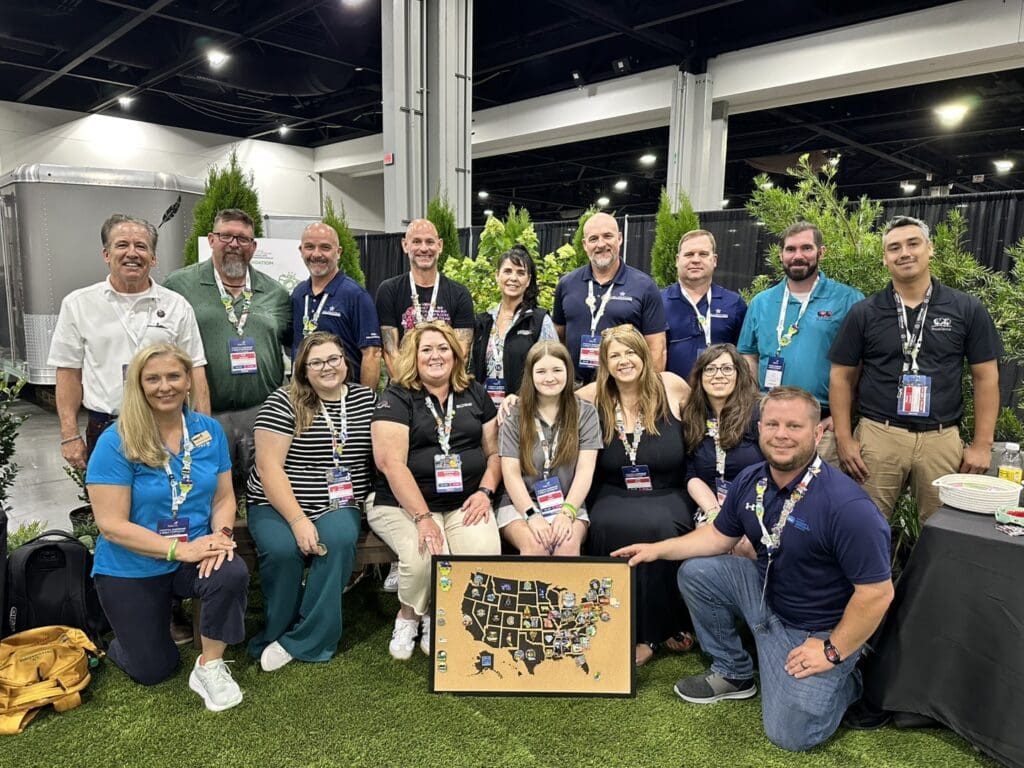
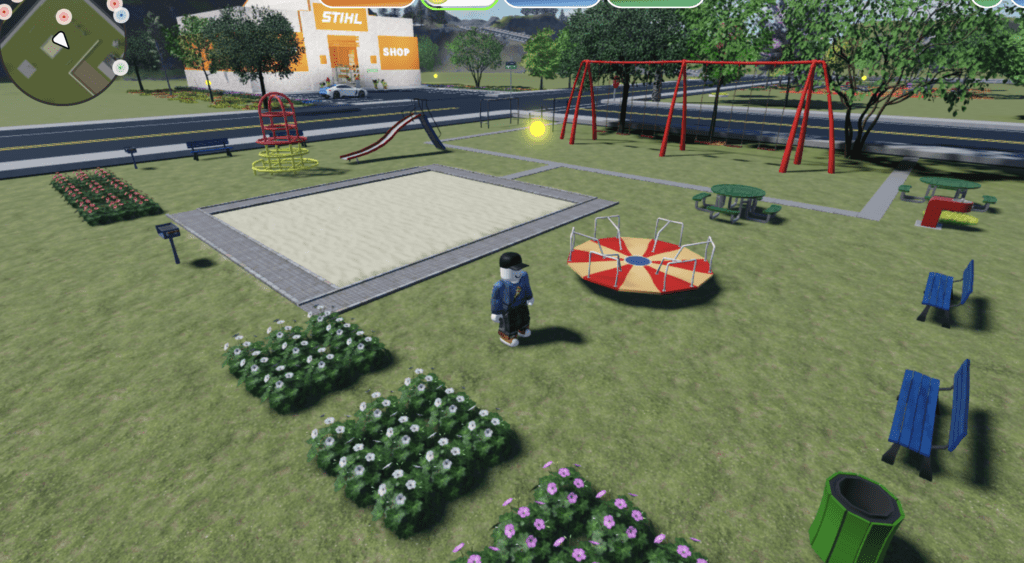
“Partnerships with organizations like SkillsUSA and the American School Counselor Association are vital to ensuring the younger generations are aware of the career pathways and advancement opportunities in our industry,” says Darby Gilbert, director of workforce development for NALP. “We also reach kids as early as six years of age on the Roblox platform with the NALP Foundation’s immersive experience, Landscape Design Empire.”
Myers explains that these strategies have been selected because they collectively address awareness, skill-building, and long-term career development.
“Outreach efforts correct outdated perceptions of the industry and help get industry curriculum in classrooms and recruiting events like NCLC connect employers directly with motivated, career-ready students,” Myers says. “Together, these methods help attract new talent, develop their skills, and support companies in retaining and advancing their teams.”
Gilbert adds that early outreach is important because psychology has found children begin shaping career interests far earlier than most realize.
“By exposing students to the landscape profession in elementary, middle, and high school, we help expand their sense of what’s possible before misconceptions or limiting beliefs set in,” Gilbert says. “We ‘meet students where they are’ by using platforms that align with their developmental stage.”
Roblox allows younger students to see landscaping as a tech-forward, imaginative field, while SkillsUSA shows high school students that landscaping is a respected, rewarding career pathway.
“By connecting with students through the channels they already use, NALP is building early interest, elevating the profession, and supporting a stronger, more informed workforce for the future,” Gilbert says.
Myers says NALP’s workforce strategy is driven by real-time feedback from member companies, industry labor data, and guidance from its Workforce Advisory Council and volunteer committees.
“Programs are prioritized based on their potential to address labor shortages, scale across diverse company sizes, reach new and underrepresented audiences, and elevate the professionalism of the industry,” Myers says. “This ensures NALP invests in initiatives that deliver meaningful, measurable impact for members and the broader profession.”
Some of the other workforce development tools that members can tap into include participating in NCLC’s career fair, the LandscapeIndustryCareers.org job board, marketing materials, workforce trend data, and toolkits for building internship programs and hosting Landscape Career Days.
“Companies that consistently recruit at NCLC often credit the event with introducing them to high-performing interns and full-time hires who become long-term contributors and future leaders,” Myers says.
NALP measures the success of these methods through key performance indicators such as participation in NCLC by students and industry organizations; hiring outcomes from NCLC and the LandscapeIndustryCareers.org job board, and engagement with member resources such as classroom handouts and presentations. Additionally, increased collaboration with landscape and horticulture programs at educational institutions is a promising marker.
“Together, these metrics demonstrate not only workforce growth, but also improved readiness, professionalism, and long-term industry sustainability,” Myers says.
This article was published in the March/April/May issue of the magazine. To read more stories from The Edge magazine, click here to subscribe to the digital edition.