

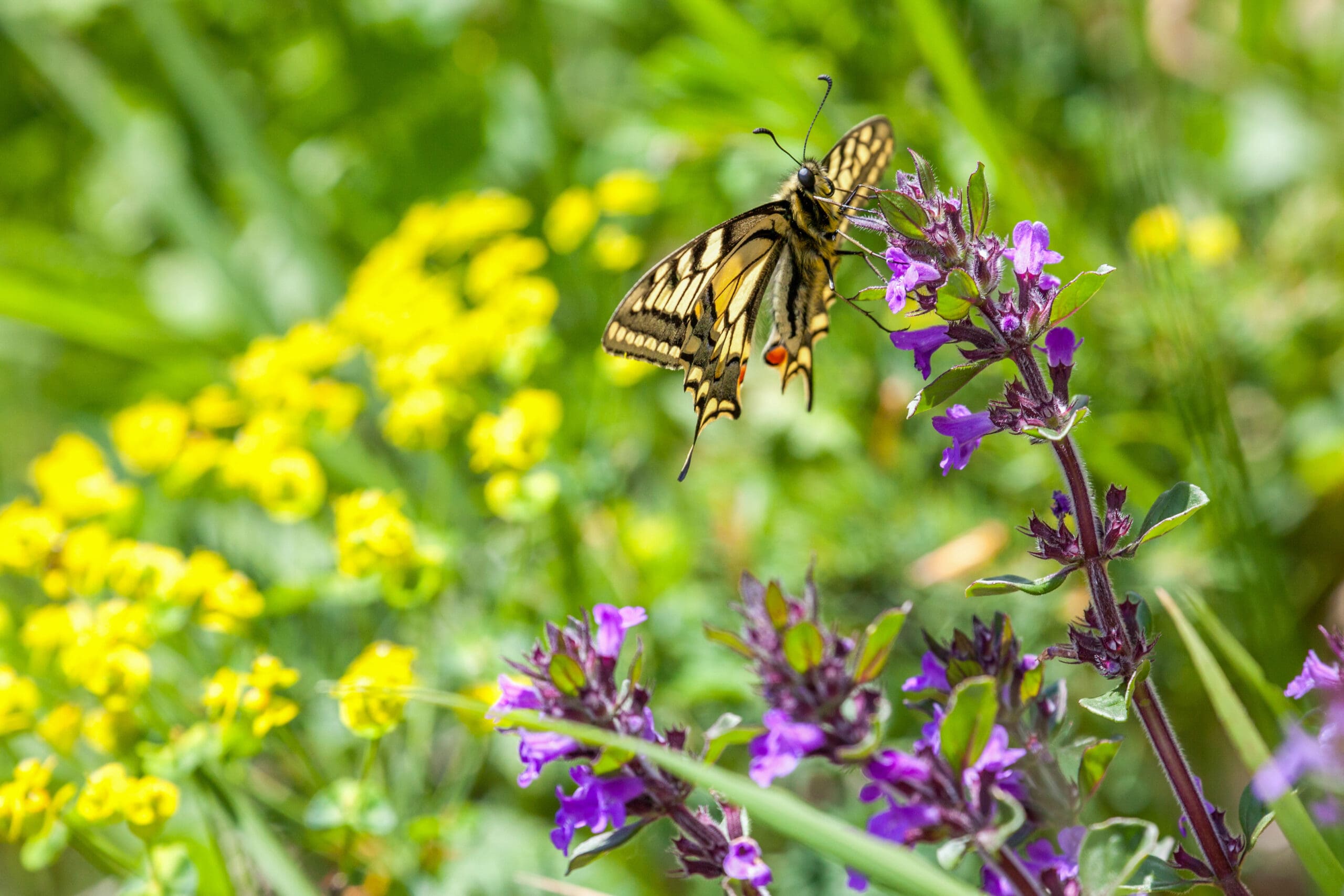
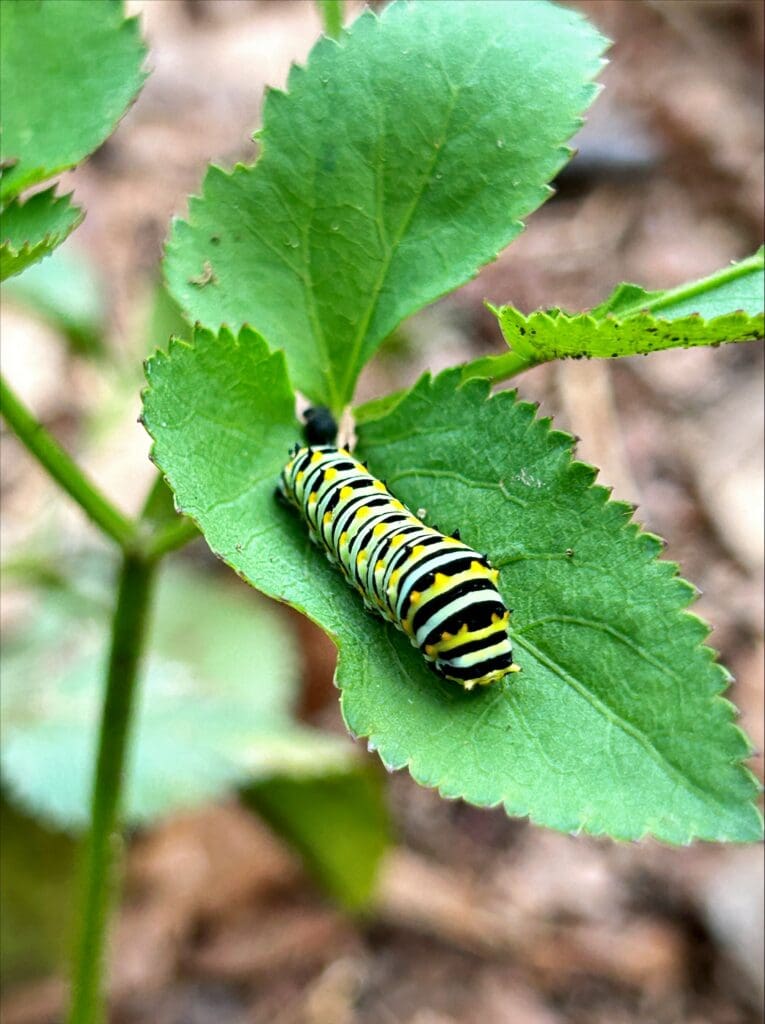
A hummingbird hovering over a cardinal flower, a caterpillar on a milkweed plant, and wood frog tadpoles thriving in a vernal pool are all signs of success for Parterre Garden Services.
“These are all moments that are obviously ephemeral, and they may seem small to some, but they reflect the impact of thoughtful land stewardship,” says Miles Connors, senior director of Parterre Ecological, a division of Parterre Garden Services. “In our opinion, it has great value to all of us.”
Each of these signals ecological restoration as native species are able to return to their natural habitat.
In many urban areas, the disturbance of the natural ecosystem is significant.
Connors explains that ecological restoration assists in rebuilding the habitat structure and fosters biodiversity in these settings.
“At its best, restoration will transform a lot of these spaces into living systems that hold some form of functional value to them as well,” Connors says.
Offering Ecological Restoration Services
Parterre, based in North Billerica, Massachusetts, added ecological and land management services a decade ago, but it was around five years ago that the division started to grow significantly. It now makes up 30 percent of their total revenue.
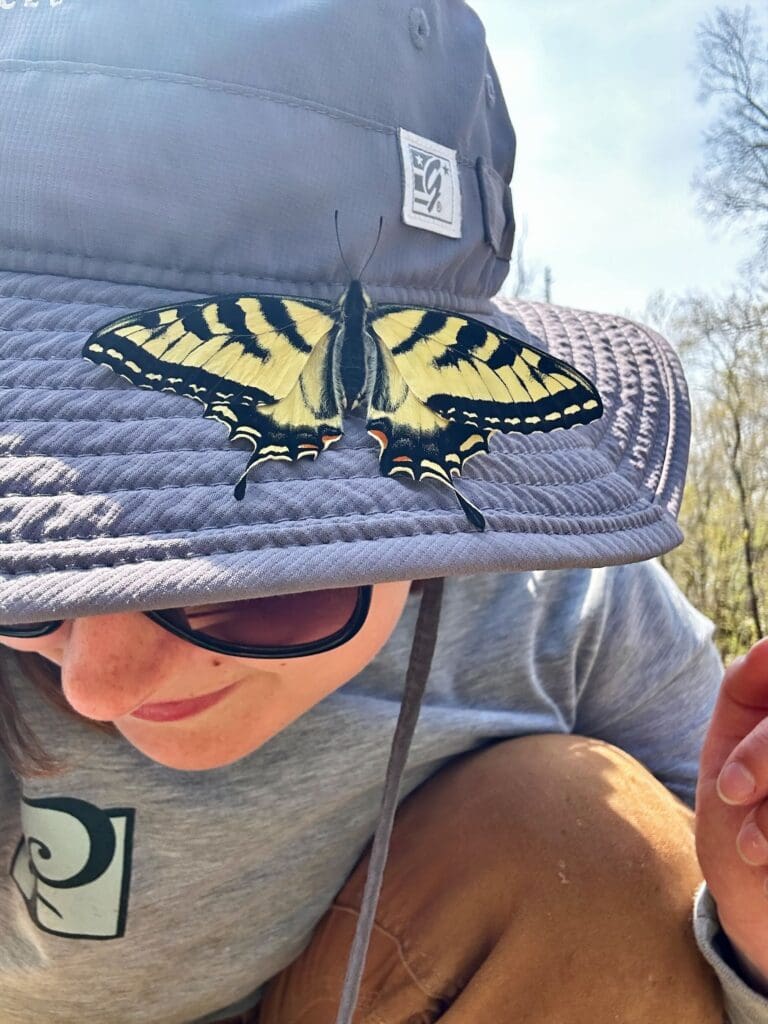
Connors says they added this service in response to the growing market demand for ecological restoration and invasive species management.
“We saw the value in it,” Connors says. “But in the past 10 years, there’s also been this overwhelming amount of folks who have actually stepped up and said, ‘I’m looking for a pollinator meadow,’ or ‘I’m looking for management of invasive plant species within this wetland buffer.’”
Starting out, Connors led the business development of the division, speaking to many residential and professional sectors about restoring urban areas. Parterre’s approach for marketing this service is rooted in relationships and reputation.
“So much of our business has grown through standing partnerships and relationships with people over time,” Connors says. “We’ve worked with some of these folks for a decade on numerous projects.”
He says they have also aligned themselves with mission-driven organizations that promote ecological stewardship and sustainable land care, such as the Ecological Landscape Alliance and Grow Native Massachusetts.
“These affiliations connect us with communities of people who care about native landscapes and are looking directly for these services,” Connors says.
Connors says there has been a noticeable shift in awareness over the past few years.
“On the residential side, we’ve been receiving more and more inquiries around homeowners who are eager to remove invasive plants to restore native plant communities in their garden,” Connors says.
He’s also noticed many more institutions want to incorporate native plants, and corporate buildings are looking to swap lawns for wrap-around meadows.
Connors says this rising demand affirms their belief that ecological restoration isn’t just a niche offering.
“It’s becoming more of an expectation in the landscape industry as a whole,” he says.
Executing the Work
Parterre performs a broad spectrum of work, including ecological landscape planning and design, invasive plant management, native restoration, planting and then maintenance and monitoring of those sites.
They restore native plant communities through a structured step-by-step process.
“We begin with site assessment and inventory, documenting invasive and native species as well as other existing conditions,” he says.
Then, they will meet with the client to define the project goals and desired outcomes before moving into the planning and design phase.
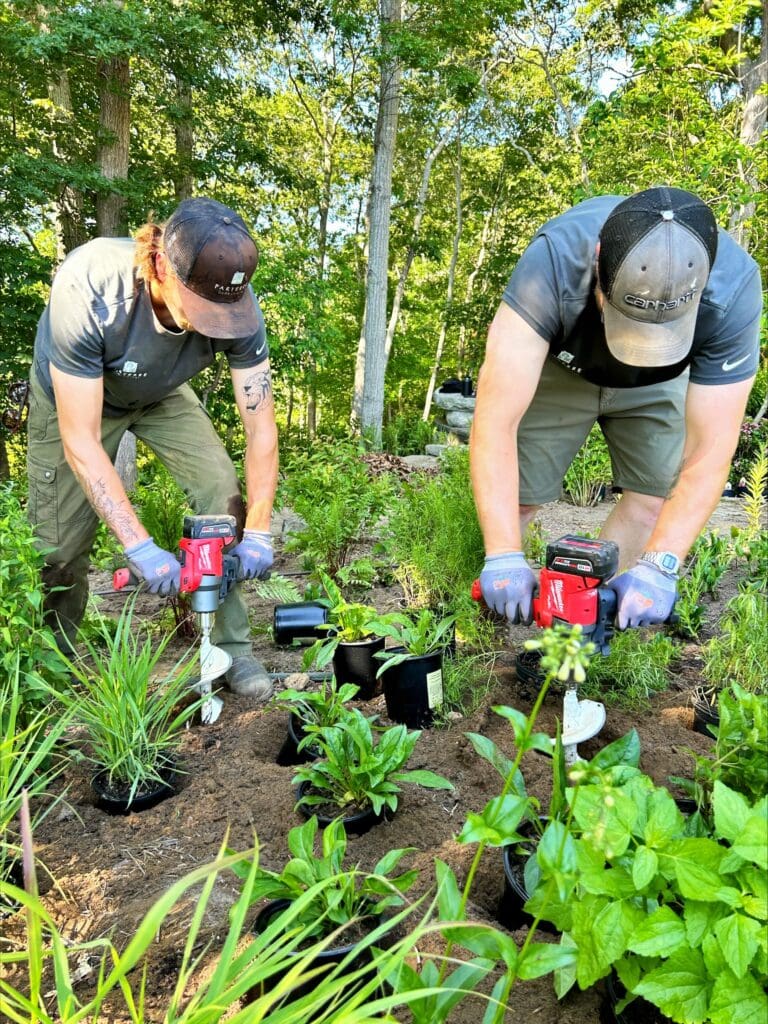
“We prioritize invasive management using mechanical, chemical and other integrated approaches,” Connors says. “We select native plant species based upon site conditions and reference ecosystems.”
During implementation, they install custom seed mixes, native plugs, container plants and two- to three-inch caliper trees. Connors says they strive to source as much plant material from the general region as possible.
“Finally, we provide ongoing maintenance and stewardship,” Connors says. “After that installation takes place for at least three growing seasons. This includes monitoring and managing the invasive regrowth, protecting young plants from things like deer and rabbits, and also guiding the site towards a stable, self-sustaining native plant community.”
Connors notes the first three to five years are the most intensive as the planted area becomes established and outcompetes invasive species.
“The work is much more seasonal, so there might be a spring, summer, and fall visit with specific tasks involved,” Connors says.
Parterre will spot weed, conduct selective mowing, and string trim aggressive weeds as meadows are starting to establish. Connors says they will also provide supplemental watering as needed.
He says they haven’t had to invest in any specialized equipment for this service. They have 20 employees on their ecological team who are spread between Portland, Maine, Cape Cod, Massachusetts and greater Boston.
“We’re built on that idea where we have project managers and field managers who have a book of work, and they have an individual team to assist them in accomplishing that,” Connors says.
Connors says one of their biggest challenges is training new employees.
“We invest in our employees with monthly workshops on such topics as plant identification and then also best management practices,” Connors says. “You can imagine just sending someone that you newly hired out to a natural area and saying, ‘Remove all the invasive plants from this region,’ That just doesn’t happen.”
He says they’ve had the most success with hiring individuals with a horticulture background or exposure to the industry already. Connors says they continue to pursue professional certifications, licensing and education around their specialized work.
“We’re all participating in these workshops and engaging with professional networks focused on ecological land care,” Connors says. “Our team also reviews emerging research. We read the journals and we collaborate with local experts.”
Advice for Others
If you want to provide ecological services yourself, Connors says, first you have to know the why behind offering the service. This will allow you to generate buy-in from the team and help them see the value of the work.
Then, determine which specific ecological services you would like to provide and identify existing clients who have properties that may align with those offerings.
“Figure out how you might pitch that idea to those clients, so over time you gather that feedback, measure the ecological results, and then refine the methods,” Connors says.
He says it is best to start small and continue to build over time. Parterre began doing more projects on the residential side, but now their projects have grown significantly and include collaboration with landscape architects, landscape construction companies and municipalities. Connors estimates it’s a 60/40 split between commercial and residential work currently.
Connors notes that invasive plant management often requires multi-year strategies. It’s critical to communicate to clients what to expect, especially when establishing a meadow from seed.
“The reality that restoring takes time, we need to set expectations and communicate that well to the client so that they understand the importance of stewardship after installation,” Connors says.
Key Takeaways
- Parterre Garden Services has seen growing demand for native plantings and invasive species management as more homeowners, institutions, and corporations prioritize biodiversity.
- Employee training and expertise are essential. Invest in staff education, certifications, and research to ensure restoration projects are executed with precision and ecological integrity.
- Restoration is a long-term commitment. Make sure to communicate this with clients to set proper expectations.
