
With roughly 14,000 local jurisdictions in the United States, it’s hard to stay on top of all the proposed legislation that could negatively impact the landscape industry.
However, it becomes far easier to track when NALP members are involved in the community, read the local newspaper and participate in the political processes in their area.
“If we allow people to make decisions based, not upon science or expertise or with the consultation of people who know what they’re doing, and rather on emotion, you get bad outcomes,” says Bob Mann, senior director of regulatory and technical affairs for NALP. “Being plugged into the community is nothing more than just reading the local newspaper.”
Once you do become aware of a troublesome piece of legislation, Mann encourages members to let the NALP government affairs team know.
“Many times we find out about it at the very last moment,” Mann says. “Now, we’ve already lost. We can go and get our three minutes in, but we needed to be part of that process well in advance. That’s why it’s important to have people engaged.”
Mann says once the NALP team is aware, they can mobilize to get others involved and set up meetings with the key people involved ahead of the committee meeting.
Whether it’s pesticides, fertilizers or any number of other issues that may impact a landscape business, Mann says, often business owners find themselves at a loss of who to talk to because they failed to be involved early on.
“It’s that old cliché,” Mann says. “You don’t want to be on the menu. So in order to get off the menu, you have to create a seat at the table for yourself.”
Mann encourages landscape professionals to be recognized as the local experts in their area. You can start by advertising on the local radio station, volunteering, or sponsoring a local Little League team so people begin to recognize your brand.
“Once that starts to happen, and you begin to have recognition within the community that you’re the expert, when something first comes up, the elected official who you donated to that person’s campaign, even though they may be in the other party, goes, ‘Well, we should call Jill and ask Jill what she thinks of this. Jill knows what she’s talking about,’” Mann says. “It would be the same as if somebody came to you and had a question about medicine, and you said, ‘Well, I’m not exactly a doctor, but let’s ask the doctor what he or she thinks.’”
Mann says simply paying attention and being involved in your local community can help prevent many negative pieces of legislation from being introduced.
“The idea is to kill any of these bad ideas before they ever see the light of day,” Mann says.
Thankfully, there are many instances where troublesome bills never require any major intervention because they don’t go anywhere.
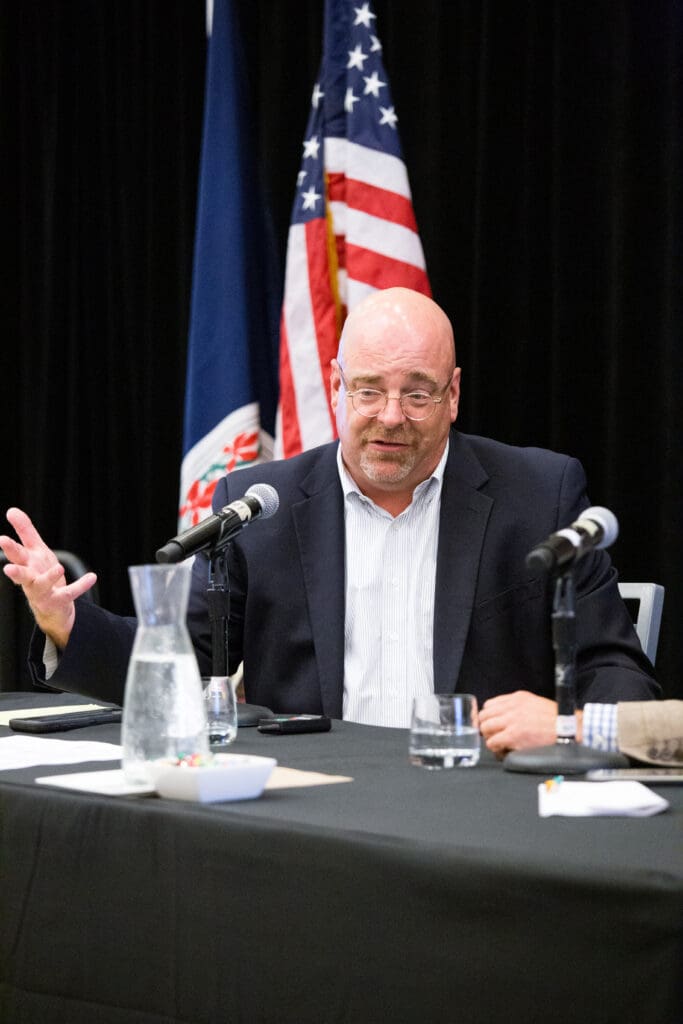
“You want to kill it early, and you want to kill it dead, and the best way to do that is to have a substantive conversation with either the elected official or their staff member prior to when the committee hearing occurs,” Mann says. “We’re talking in positive tones, constructive tones. We want to educate. We want to illuminate, and we don’t want to be derisive of the other side either.”
Mann says the vast majority of negative legislation doesn’t come to pass thanks to the government affairs team’s efforts and their ability to draw upon members in that state.
He adds that money should never be a roadblock to landscape companies participating in the political process. It’s more important to contribute your time.
“You make time for what’s important,” Mann says. “Everybody gets 24 hours, and usually if you’re not participating in the political process, it’s not because you don’t have the time. It’s that you haven’t prioritized it.”
Mann stresses you have to invest the time early on. You can’t start caring only once something horrible is about to impact your business.
“Your presence in the room is important, and we can take it from there,” Mann says. “If you want to speak up, if you have something to add to the conversation, by all means make your point. Advocate on behalf of your business. You’re the expert at your business. You know your business better than anybody else.”
This article was published in the January/February issue of the magazine. To read more stories from The Edge magazine, click here to subscribe to the digital edition.