

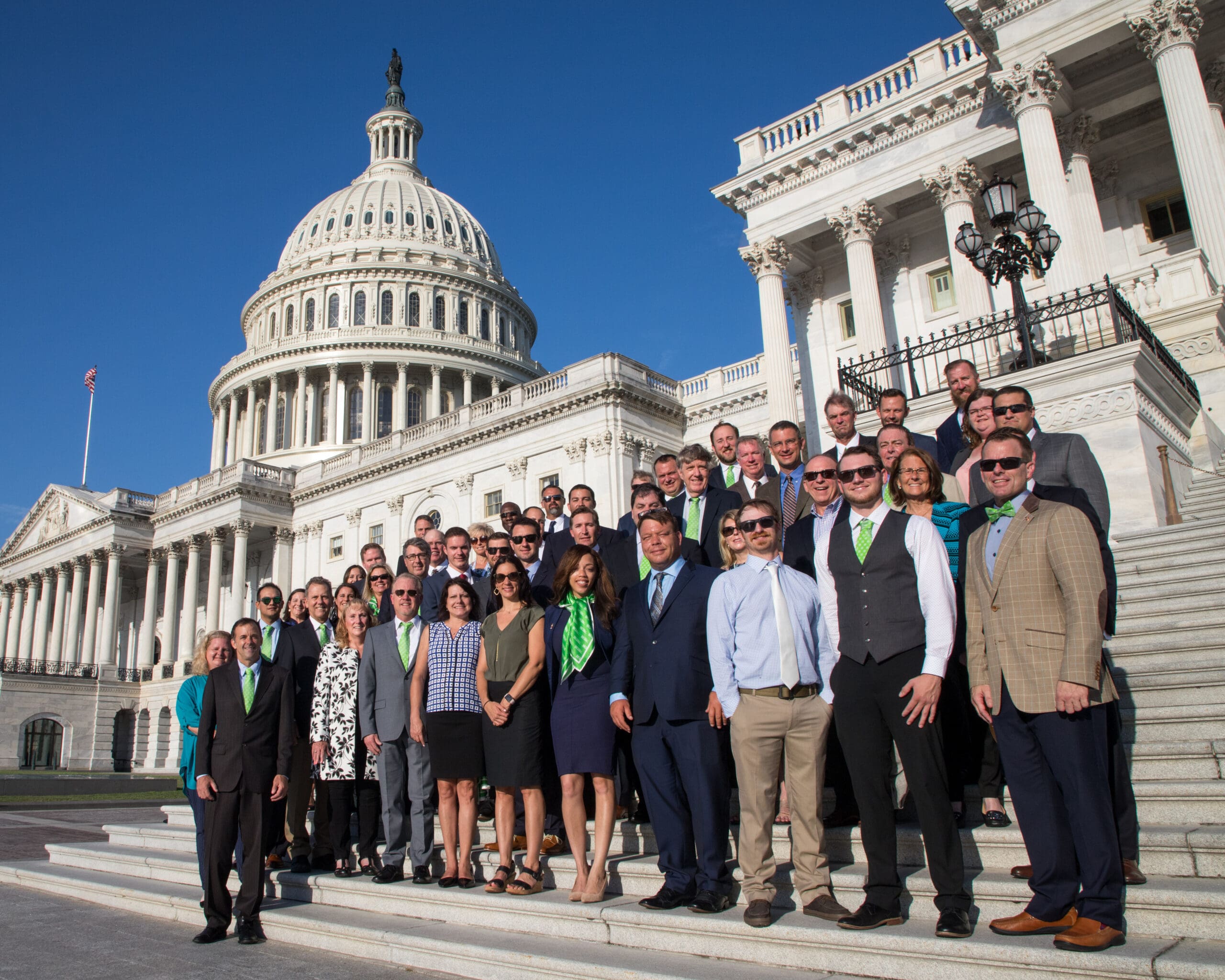
Relentless advocacy is one of the core initiatives for the National Association of Landscape Professionals.
“We are the only national trade organization representing the entire landscape industry,” says Andrew Bray, NALP senior vice president of government relations and membership. “What is happening on Capitol Hill, especially in times like now, is moving at a very, very rapid pace, and decisions are being made that can both benefit the industry or harm the industry. If we’re not there telling our story and representing our industry, nobody else will.”
NALP works at the local, state and federal levels to advocate for positive policy outcomes. Every day, the NALP government affairs team is tracking legislation and regulations that could impact the industry.
“I think the other thing that people might not realize is the amount of time and effort we put into building relationships with like-minded industries or ecosystems that can amplify our voice,” Bray says. “People don’t see that. They see results, but they don’t realize we wouldn’t have gotten that result had we not brought in the Chamber of Commerce or CropLife America or the American Hotel and Lodging Association to help with issues that are really important.”
Identifying Industry Issues
NALP’s government relations team takes their marching orders from the member-led Government Affairs Council.
Each January, the GAC gathers to review and update their strategic plan for the year, ranking issues by priority level from tier one to tier three.
“Tier one issues are issues that we have to make a priority, and we have to have a leadership role, because if we don’t do it, nobody else will,” Bray says. “There will be a vacuum. Tier two issues are issues that are important to us, but likely we’re going to be working, not maybe as the lead of a coalition, but working within a coalition to affect the result or outcomes on those issues. Tier three issues are issues that we just monitor and provide information to our members.”
Bray says certain industry issues may move up or down the tier ranking depending on the year. For instance, water management has moved up to a tier one ranking this year.
“We work in an ever-changing government relations space, and I use COVID as an example,” Bray says. “In 2020, COVID was not even on our strategic plan. But by March 15, it was our top tier one because it was so important and impactful. I always want to make sure people understand that we’re a dynamic department, always ready to move and protect the industry when things are occurring in the policy realm.”
Bray says NALP’s policy efforts have evolved with the expansion of the government affairs team.
“The future of NALP’s government relations is really how we build out our bench of people who are engaged,” Bray says. “NALP’s true strength in the advocacy arena is not throwing money into another lobbyist; our strength is the number of people we have in the industry. The better we harness that, the more impactful we can be. That’s where we want to get to in the next five years.”
Subscribe to The Advocate
Bray says the first step to advocacy is to be informed. This includes paying attention to what is going on in your local government as well as the state and federal levels.
“Being informed is really simple,” Bray says. “Sign up to get The Advocate. Read stories that go on The Edge that are related to advocacy. That’s step one.”
The Advocate is NALP’s member-exclusive newsletter that provides updates on federal and state-level issues as well as action items when member voices are needed.
Become an Advocacy Ambassador
Once you are informed, you need to become engaged. Bray says one of the best ways to get involved is to join the new Advocacy Ambassador Program.
“I want five to 10 ambassadors in every single state throughout the nation who are actively engaged, are comfortable going and talking to their legislators, are proactively reaching out to legislators with NALP assistance, and really are an extension of the government relations team,” Bray says.
Advocacy Ambassadors receive access to exclusive training, resources, and opportunities to connect with industry leaders and decision-makers. This program allows landscape professionals to tell their stories and influence policies being introduced at the state and federal levels.
Participate in Fly-Ins and Other Advocacy Events
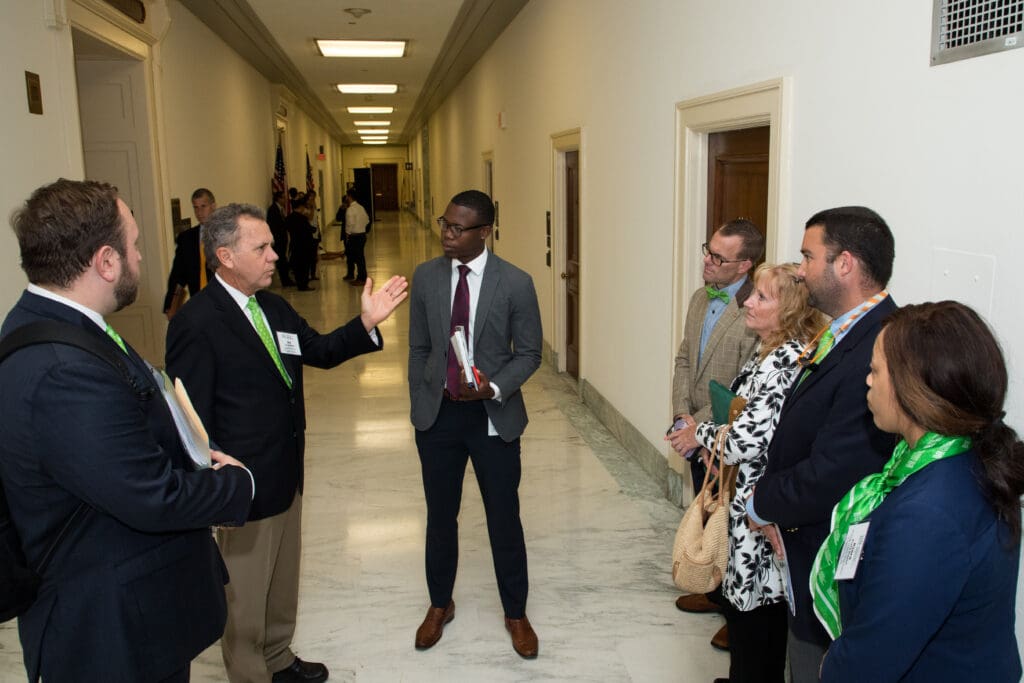
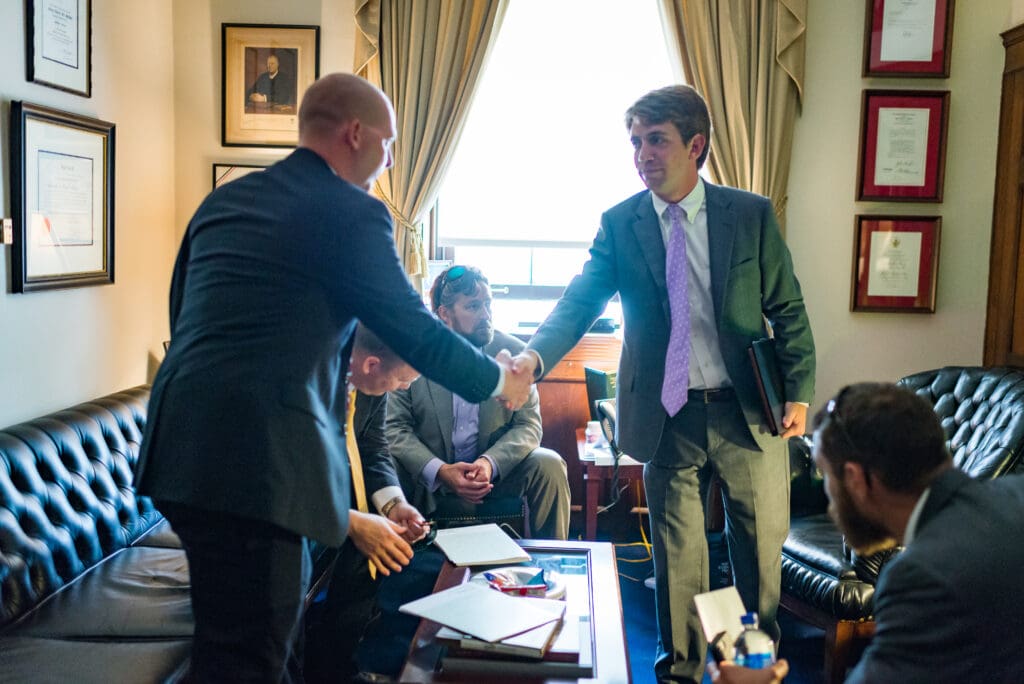
Another way to get involved is to attend NALP’s various fly-in events to speak with legislators about different issues, such as H-2B. Fly-in attendees have the opportunity to meet with members of Congress and their staff and convey the importance of maintaining the 64,716 additional visas and ensuring that the timing of their release is consistent.
These fly-ins are timed to take place when they are most effective.
Another advocacy event NALP hosts is the annual EPA Field Trip. This is a day where NALP hosts federal regulators from the EPA’s Office of Pesticide Programs, the U.S. Fish & Wildlife Service and the Office of Pest Management Programs at the USDA and educates them on the lawn care industry.
These types of events help foster relationships and provide regulators with a better understanding of how the industry operates.
Join the Healthy Green Spaces Coalition
A new advocacy effort in response to the tier one issue of water management is the formation of the Healthy Green Spaces Coalition. Bray says the Healthy Green Spaces Coalition is NALP’s effort to change the narrative around water use and landscapes.
“For far too long, non-functional turf has been demonized,” Bray says. “Green spaces have been demonized. ‘It’s sucking up too much water.’ We are taking a proactive approach, pulling in academia, supplier members, and other like-minded trade associations at the federal and state level who want to come together and really present a different story about the importance of landscapes and how we can efficiently use water with better technology.”
The coalition will provide science-backed research and expert guidance on the most effective ways to manage water efficiently in landscapes, ensuring that vital green spaces continue to deliver significant environmental benefits.
It will also promote water-efficient landscape practices, responsible water use, environmental stewardship and the inherent value of healthy green spaces. By addressing common myths, providing alternative solutions to water conservation and conveying the inherent value of healthy green spaces, HGSC will advocate for the industry as a whole with policymakers.
Bray says NALP will be using the coalition to talk to people who are making policy decisions on water management.
“We hope it will be a tremendous asset as we begin debates at state capitals around the country this coming legislative session,” Bray says.
One way to support the coalition is to spread the facts and information available at greenspacescoalition.org.
Donate to the PAC
Lastly, you can also support advocacy efforts by donating to the NALP Political Action Center. The NALP-PAC helps to provide a cohesive and unified message of who our members are and what we represent. Members can donate to the PAC throughout the year or at specific fundraising events held during ELEVATE and Leaders Forum.
“When you give to the PAC, it gives NALP the ability to attend events and build relationships and strengthen those relationships that hopefully result in beneficial policy outcomes,” Bray says.
Recent Wins
Another one of NALP’s tier one priorities is defending against threats against pesticide and fertilizer use. NALP has had a very strong year at the state level avoiding the passing of several troublesome bills that would have restricted landscape professionals’ ability to use tools to protect plants.
Additionally, Bob Mann, senior director of regulatory and technical affairs for NALP, was elected to chair the Pesticide Policy Coalition. Mann is the first non-agricultural chair of the PPC, which shows the level of respect he has gained in D.C.
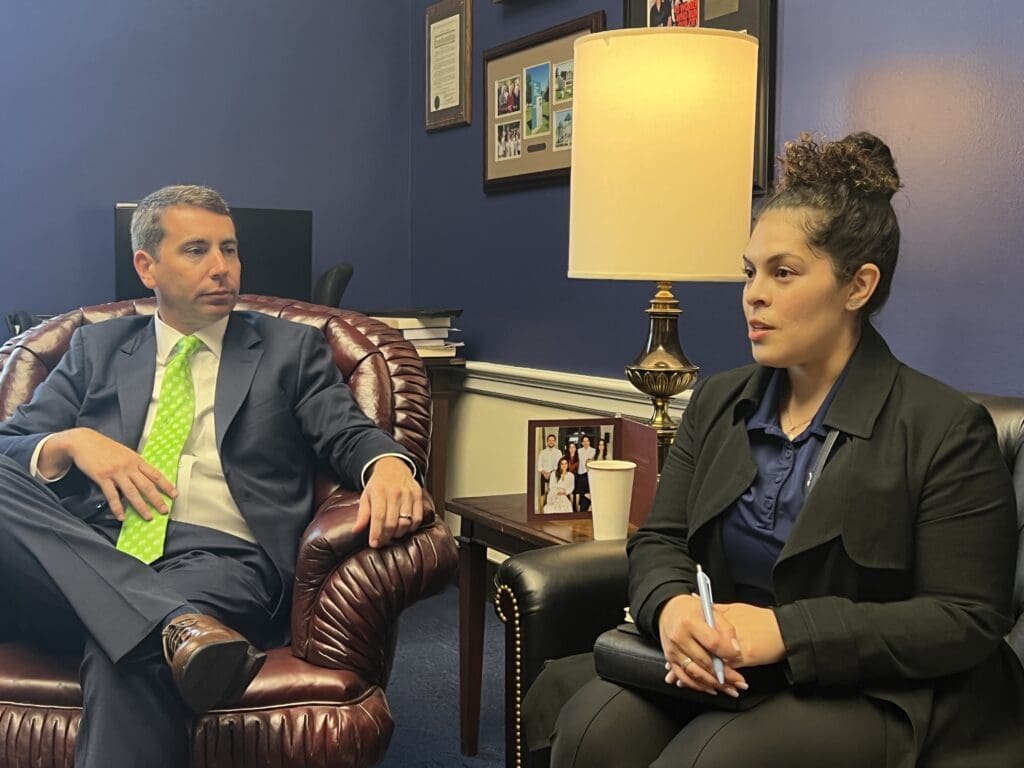
“He is helping steer the agenda for the collective pesticide community in Washington,” Bray says.
On the H-2B front, NALP was able to ensure the release of the additional 64,716 supplemental visas for FY 25. We have now secured very advantageous language in Appropriations legislation for FY 26, but as the government continues to work under a continuing resolution, we are pressuring the administration to again release the maximum (64,716) supplemental H-2B visas.
“The last three years, when we’ve gotten these visas released, one’s been in early December,” Bray says. “The other two announcements were made in November. But the shutdown has bogged this process down a bit, we’re looking at a likely December release.”
NALP has also served on the leadership of the H-2B Workforce Coalition for the past four years.
Why Advocate?
Bray says that often people forget their representatives work for them.
“These aren’t movie stars, per se, and so there’s no reason to be intimidated,” Brays says. “They work for you, and generally, they want to try to help you, and they certainly will listen to you.”
It’s always important to remember that while the policymaker may always not do what you want, what matters is having respectful discourse.
“If we fail to advocate for the industry, then there are people who don’t appreciate or understand what we do, and they will be dictating the laws and regulations that we need to abide by, and that’s never a place we want to be,” Bray says.
This article was published in the January/February issue of the magazine. To read more stories from The Edge magazine, click here to subscribe to the digital edition.

