


When you review your sources of revenue, it’s important to take stock of how much is coming from one-off projects versus long-term contracts.
Long-term maintenance contracts with clients are beneficial for several reasons. They help provide steady cash flow, allowing your company to continue to grow and forecast your staffing needs properly.
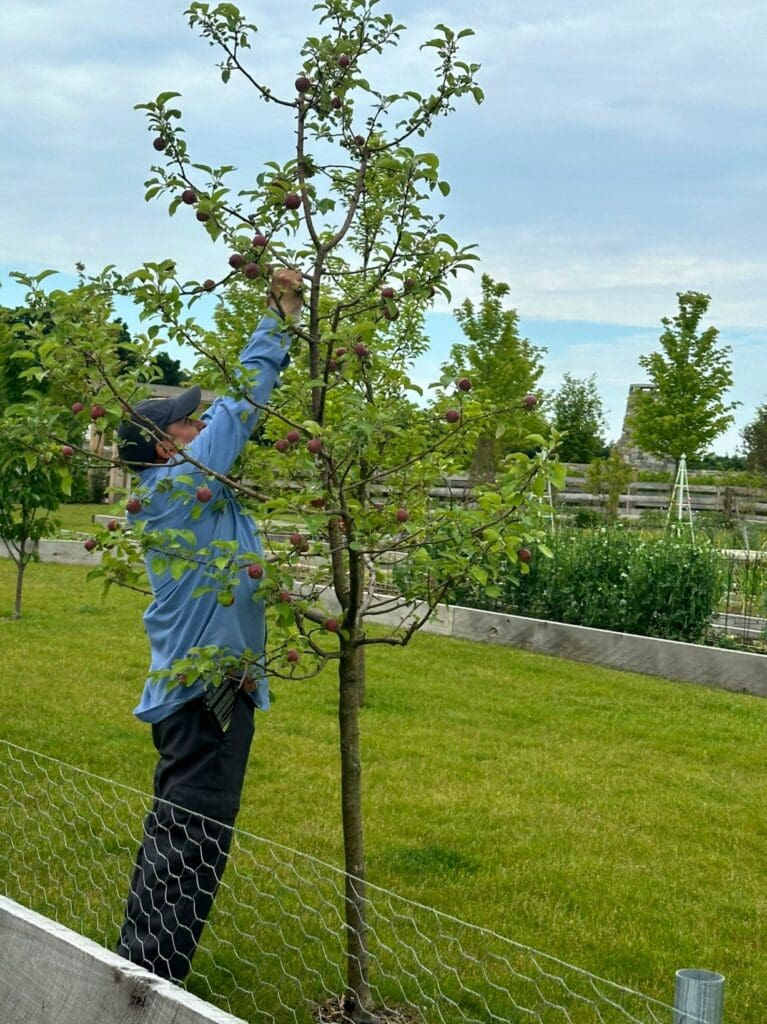
“We are generally shut down between December 15th and March 15th, and deposits have been spent on procuring materials for upcoming projects,” says Anna Brooks, owner of Arcadia Gardens, LLC, based in Bridgman, Michigan. “The early spring contracts cover the operating budget until the design-build portion of the company can catch up.”
Bob Hursthouse, president of Hursthouse Landscape Architects, based in Bolingbrook, Illinois, says long-term maintenance contracts help them preserve the integrity of their design-build work. He says they’ve found by handling their clients’ maintenance work, the client is more likely to call them for any additional design projects as well.
Converting Design-Build Clients to Maintenance Contracts
Cole Weller, president and CEO of Weller Brothers Landscape Professionals, based in Sioux Falls, South Dakota, says on an annual basis, they convert about half of their design-build clients into maintenance clients.
“Almost all of our larger scale projects convert to maintenance clients,” Weller says. “Those would be projects $125K and up. As that project value decreases, so does the likelihood they become a contract maintenance client.”
Weller says that they introduce their client to one of their maintenance business development team members early in the process.
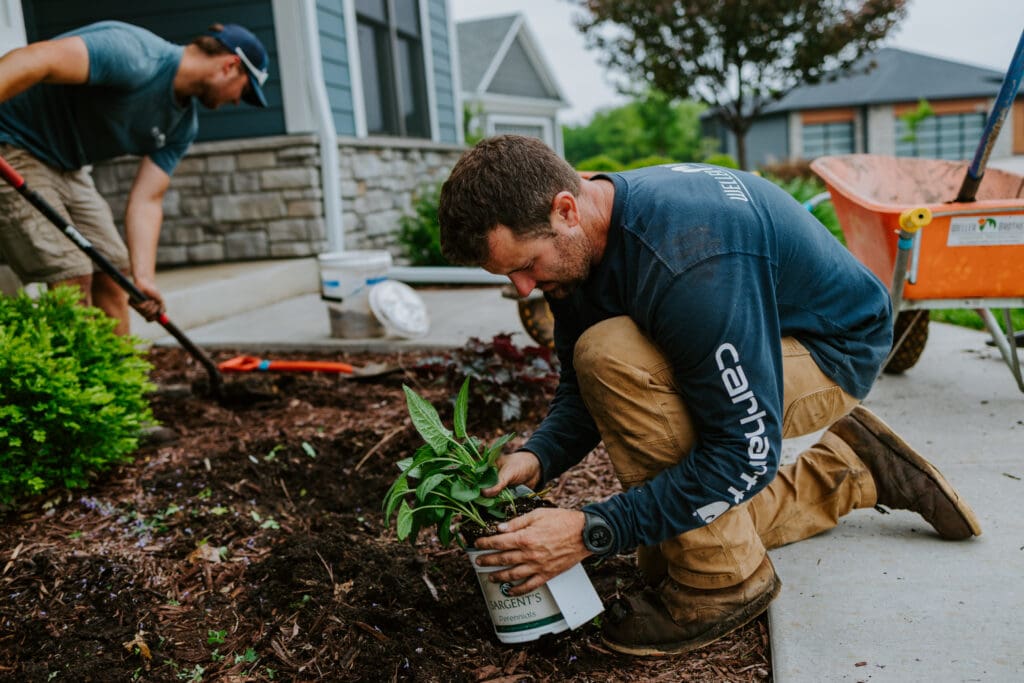
“The team member selling the landscape job will start dropping hints about our maintenance services as early as the initial consultation,” Weller says. “As soon as we have a signed contract for the landscape project is when the landscape salesperson connects the client with someone from our maintenance team and they take it from there.”
Weller says their sales pitch highlights the significant investment the client just made and how it’s going to look five times better in three years if it’s properly cared for.
“We can teach you how to do that, but it is going to take a significant time investment from you,” Weller says. “The other option is to have us take care of it so you have time to enjoy your outdoor space, attend your kid’s baseball game or play an extra round of golf for the week.”
Brooks says they almost always convert their design-build clients, especially if it is a plant-heavy design. She says they reworked their plant warranty language to require a working irrigation system and reduced it to a single growing season.
“No more one-year warranties on plants when we have no control over the growing environment,” Brooks says. “We do offer various plant/irrigation monitoring services, as many of our clients are second homeowners and aren’t there to make sure plants are getting watered correctly, but signing up for a maintenance contract starting immediately after installation is complete will automatically extend the plant warranty for the full year.”
Hursthouse says their conversions are probably less than 50% because some clients prefer to maintain their own properties or simply don’t want to pay their prices. He says it’s important to talk to the clients early on during the design process the level of skill required to maintain the space.
“It’s setting the stage early on so we’re the natural folks to step in to continue care for whatever we designed,” Hursthouse says.
Overcoming Common Objections
Brooks says that some of their clients are concerned that they’ll have to pay for unnecessary services or won’t be able to cancel if they sign up for a maintenance contract. However, Arcadia Gardens will cancel a contract at any time at a customer’s request. She says bills are sent monthly on a time and material basis.
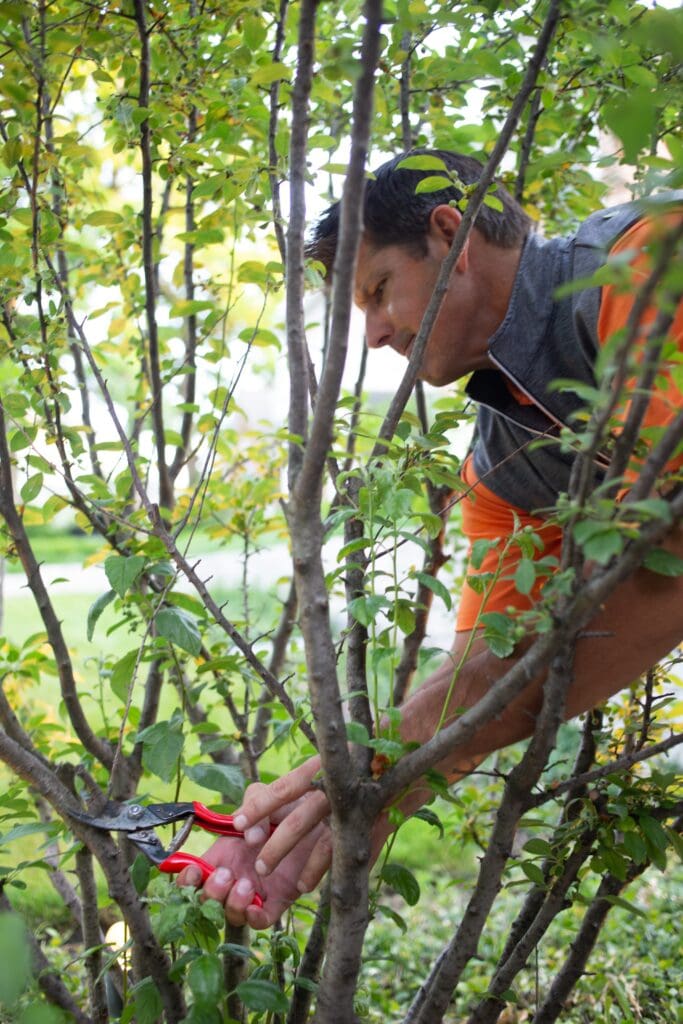
Hursthouse says they commonly receive pushback on the price of their maintenance services, but this is because people are used to an inexpensive lawn mowing service. A trained horticulturalist doing weekly detail work calls for a different level of investment. He says aside from the level of skill they are able to provide, there is also the likability factor needed to lock in contracts.
“A potential client needs to believe that you, the frontline representative, can do what you say,” Hursthouse says. “They’ve got to believe the company has the resources to back that up, and they have to like you to engage on the client relationship.”
Hursthouse says they try not to play the discount game when it comes to selling their services.
Weller says they also haven’t had to turn to providing incentives or discounts, as the long-term contract in itself is a convenience for the client. He says trust is most common objection, but it can be overcome through references telling their story to prospective clients.
“If you earn the trust of a property manager that they won’t have to babysit you or your crews, and can instead spend time leasing apartments, you have just removed a pain point for them,” Weller says. “If you earn their trust and make their lives easier, you are making a longer-term contract an easier decision for the client.”
Brooks says with the open-ended nature of their contract, the only incentives they use are the extended plant warranty and pay-as-you-go billing.
