

What gets measured can be maximized. If your business lacks true visibility into your sales pipeline, it’s much harder to know where your team can improve. This is where customer relationship management (CRM) software comes in. This tool can help with streamlining your sales process, tracking customer communication and improving your overall efficiency.
However, simply adding a CRM isn’t enough. You truly have to invest the time to tap into the full potential of your system.
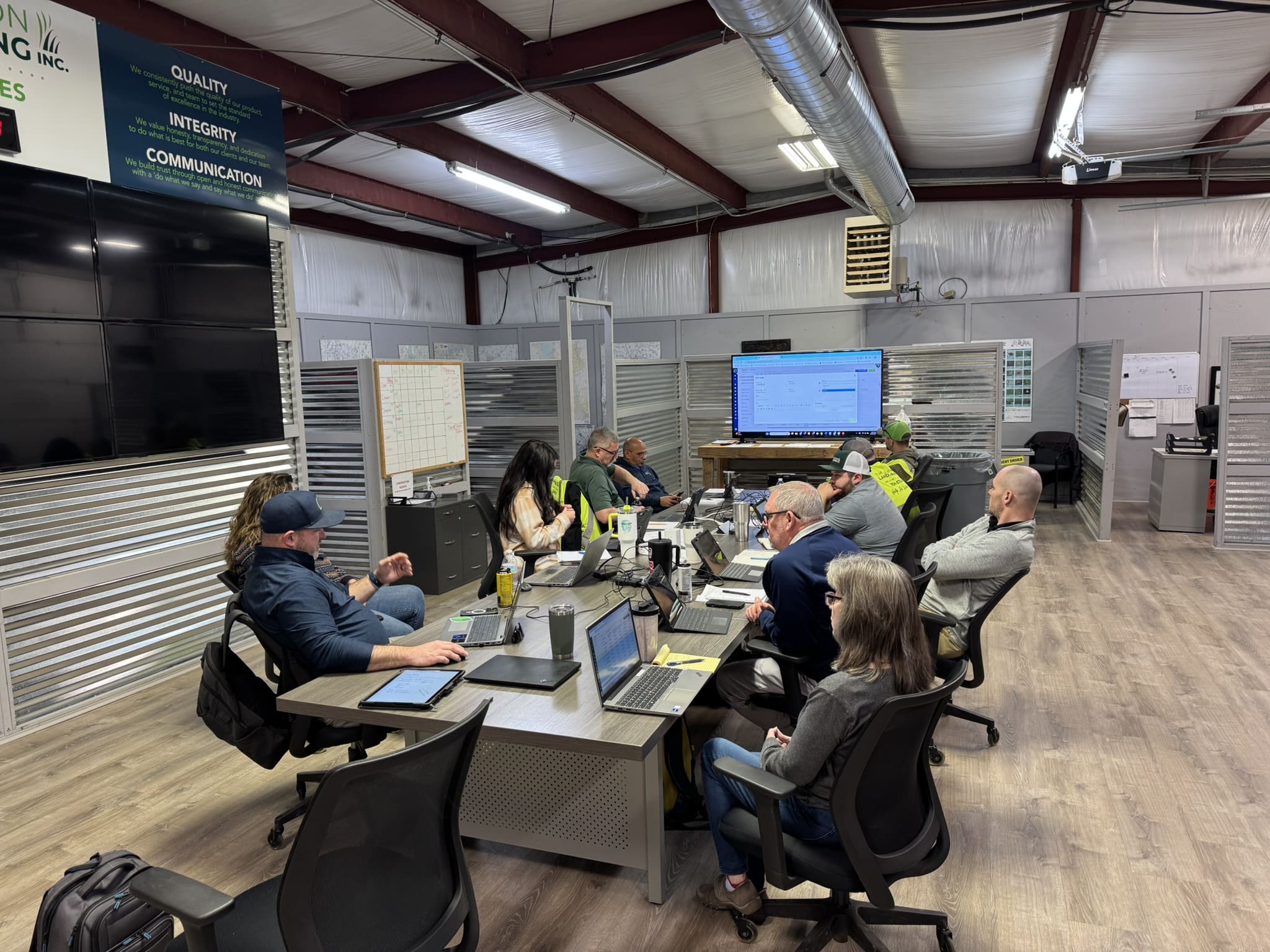
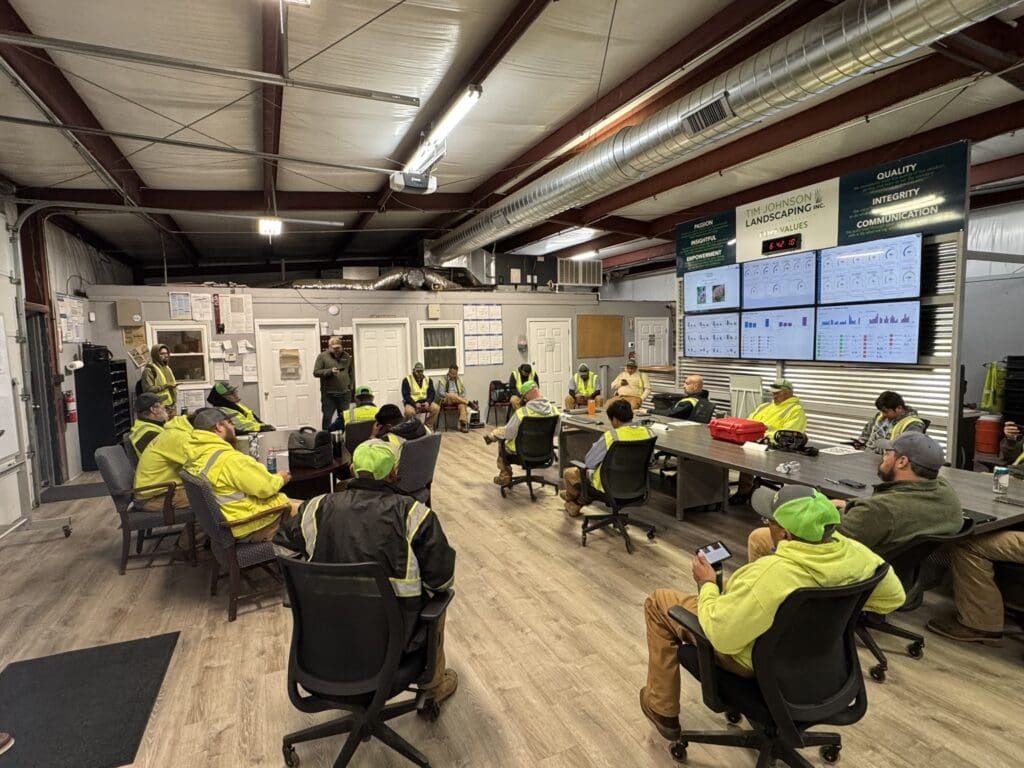
Tim Johnson, president of Tim Johnson Landscaping, based in Statesville, North Carolina, says his company has been using the CRM portion of Aspire since 2020. Over the past 15-18 months, they’ve been working extensively to maximize the efficiency of their processes by ensuring they’re using the system from beginning to end.
“We have seen consistently that the better we leverage our CRM, the better we communicate with our clients, the happier they are,” Johnson says. “The number one feedback that we get when speaking with prospective clients is the desire for better communication with their landscape contractor. If we can make that process streamlined and easier for our team (as well as create accountability), and our client is able to receive the quality communication and customer service they want, then we all win.”
Hurdles to Optimization
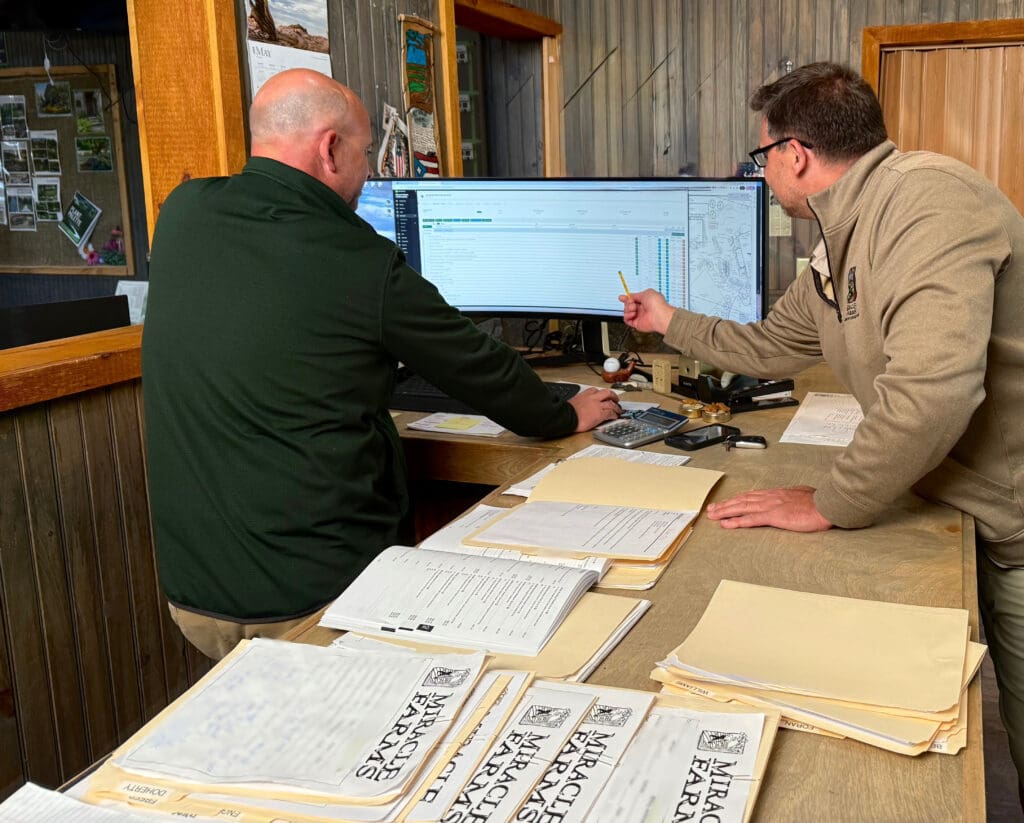
Miracle Farms Landscaping, based in Moultonborough, New Hampshire, started using LMN four years ago but only started optimizing their usage last year. Andy DuBois, CFO of Miracle Farms, says setting aside the time was the primary challenge as they were growing quickly.
“We were starting to miss a few things,” DuBois says. “Some leads were just not getting followed up with. So, we knew we needed to do something so that we could continue our growth and make sure every customer felt like they were our number one priority.”
Jason Cromley, CEO of Hidden Creek Landscaping, Inc., based in Hilliard, Ohio, admits it was mainly ignorance that kept them from realizing the full potential of their CRM early on.
“We were too intimidated to try to take on a new project, and that was a major failure on my part,” Cromley says.
Johnson says the only thing keeping their team from fully utilizing their CRM was themselves.
“Once we committed to the process and made it the standard, we moved forward quickly,” Johnson says. “The time to develop the process that worked best for our team took some time on the front end but was well worth our investment.”
Training Your Team
Building buy-in and training your team how to use your CRM effectively should be used are the keys to enhancing its capabilities.
John Richter, owner of Richter Landscape Company, based in Birmingham, Alabama, says for years they were using a number of different systems that didn’t talk to one another, so when they finally started using BOSS Software, everyone was eager to optimize their usage of it from day one.
“We were trying to dead sprint out of the gate,” Richter says. “We accelerated so quickly just because we were so excited that we had something that had one login, and it solved so much for us.”
Richter acknowledges you can’t simply pause the business while the team learns how to implement a CRM. He says it’s crucial to champion the project and stay attuned to what pain points the team may be experiencing.
“We created these SOPs, and I was very aware of how we would do it and was able to answer the why we are doing it,” Richter says. “That allowed everybody else to say, ‘Okay, John’s in the fight with us. He’s working just as hard in this thing. He believes in it. He’s cheering us on. We’re going to follow.’”
Aside from leading by example, Richter also recommends sharing the workload. Instead of overworking one superuser who is the most efficient at using the software, Ritcher says more individuals on your team should know how to play their part.
Johnson says it is their processes that ensure a new initiative gets implemented. From there, they train the team from the top down.
“We made sure each level of the team knew what they were going to be held accountable to, and how their direct reports were part of that process,” Johnson says. “When those things are established, the team then works together from the top down to ensure success.”
Christopher McCormick, director of maintenance for Miracle Farms, says they built out standard operating procedures with LMN that include step-by-step guides and videos for new employees to refer back to.
Cromley says his team is starting to embrace the technology, but it comes down to daily reminders to make sure everyone is using the CRM to its fullest.
Matthew Colson, owner of SouthView Pest and Turf Management, based in Crestview, Florida, admits their training is the weakest point of their CRM usage. They mostly rely on on-the-job training.
“I feel like I’m constantly learning and discovering new things,” Colson says. “They’re constantly making updates and taking feedback from the people that use it out in the field.”
Colson says with Briostack, implementing the software is very self-explanatory. He can access tutorials and chat with the company if he has any questions.
With BOSS, Richter says they had an implementer who walked them through the process of getting setup. Then they moved over to the elevation team, who conduct routine checkups related to best practices. He says these meetings serve as a time to discuss ways to maximize their usage of the software.
DuBois says when they reached out to LMN and started working with their account manager, it helped them get up to speed much faster.
“If we left it to ourselves, we would be just dragging a little bit,” DuBois says. “We’re getting into our busy season right now. It’s hard to dedicate the time. This kind of forces us to do it.”
Johnson says they worked both with TJ Rau from Aspire and Steve Steele from Wilson 360 to get their optimization processes right.
“It certainly could have been done without outside assistance, but using the experience that Steve brings to the table from the landscape side, as well as TJ’s vast knowledge of the system, allowed us to really maximize the efficacy of the CRM,” Johnson says.
Pain Points Resolved and Commonly Overlooked Features
Richter said once they implemented their CRM their response time to clients has been the number one improvement as well as internal communications.
“You can see that movement of when things move through different stages of the bidding process,” Richter says. “You can see when a potential client calls in and we have a lead. When that gets converted, then when that bid goes out, when we actually close the sale. There’s so much information that’s being shared without the verbal updates.”
McCormick agrees that improving their CRM usage has boosted their ability to connect the dots from a lead to estimating to client invoicing.
“Connecting those dots was a challenge for us at the beginning because we only knew what we knew,” McCormick says. “Since then, we’ve been working really hard to standardize a process. Name stakeholders that are responsible for certain phases within the entire sales process or job process supported by LMN, and that’s been a huge learning curve, but positive for us.”
McCormick says he appreciates being able to track everything in one platform, making it less likely for leads to slip through the cracks.
“Job costing will become a lot more efficient and easy for us to do, as the hours and the information from the estimate get directly transferred over to the job,” McCormick says. “That will allow us quicker and easier tracking versus flipping between pages, notebooks and information here and there.”
Johnson agrees one of the biggest aspects they overlooked in the past was visibility and using tasks to schedule follow-ups.
“This visibility allows our meetings to be more productive and proactive, rather than just a reporting meeting,” Johnson says.
Cromley says in the past, they weren’t tracking where their leads were coming from.
“When you’re swamped, you don’t really think to ask about it, but when times are tough, then you do, which at that point is too late,” Cromley says.
Hidden Creek is now utilizing more targeted marketing with this data and tracking their client communication as well. Cromley says they set reminders to follow up with clients.
“We are still pretty early in the process of using the CRM, but I can tell you already it is having a positive impact, and I’m very excited for what the next six months will bring for us,” Cromley says. “It will completely help us define our 2026 goals.”
Colson says a feature he overlooked early on with Briostack was the texting feature. He says it allows them to manage all their scheduling with clients via text messages.
“I let the technician in the field do that from his cell phone because it’s a personal touch from the technician of the customer,” Colson says. “We have automated text as well. Once we book an appointment in the system, it automatically sends them a text the night before, just reminding them. They’ll get a scheduling text. They’ll get a reminder text the night before. Then they’ll get an on the way text from the technician the day of.”
Colson says if he wasn’t using his CRM, he couldn’t run his business. He argues that other owners are leaving money on the table if they aren’t utilizing their CRM as efficiently as possible.
“Efficiency equals money; efficiency equals revenue,” Colson says. “If you’re not using it to its full potential, then you’re probably also missing out on your customer service and your customer experience. If you’re not using your regular software to its fullest potential, you’re going to get lapped.”
This article was published in the July/August issue of the magazine. To read more stories from The Edge magazine, click here to subscribe to the digital edition.
