
When you think of advocacy, you might picture visiting with federal representatives on Capitol Hill, but making your voice heard at the state level is just as important.
Additionally, industry advocates don’t have to be owners of landscape companies.
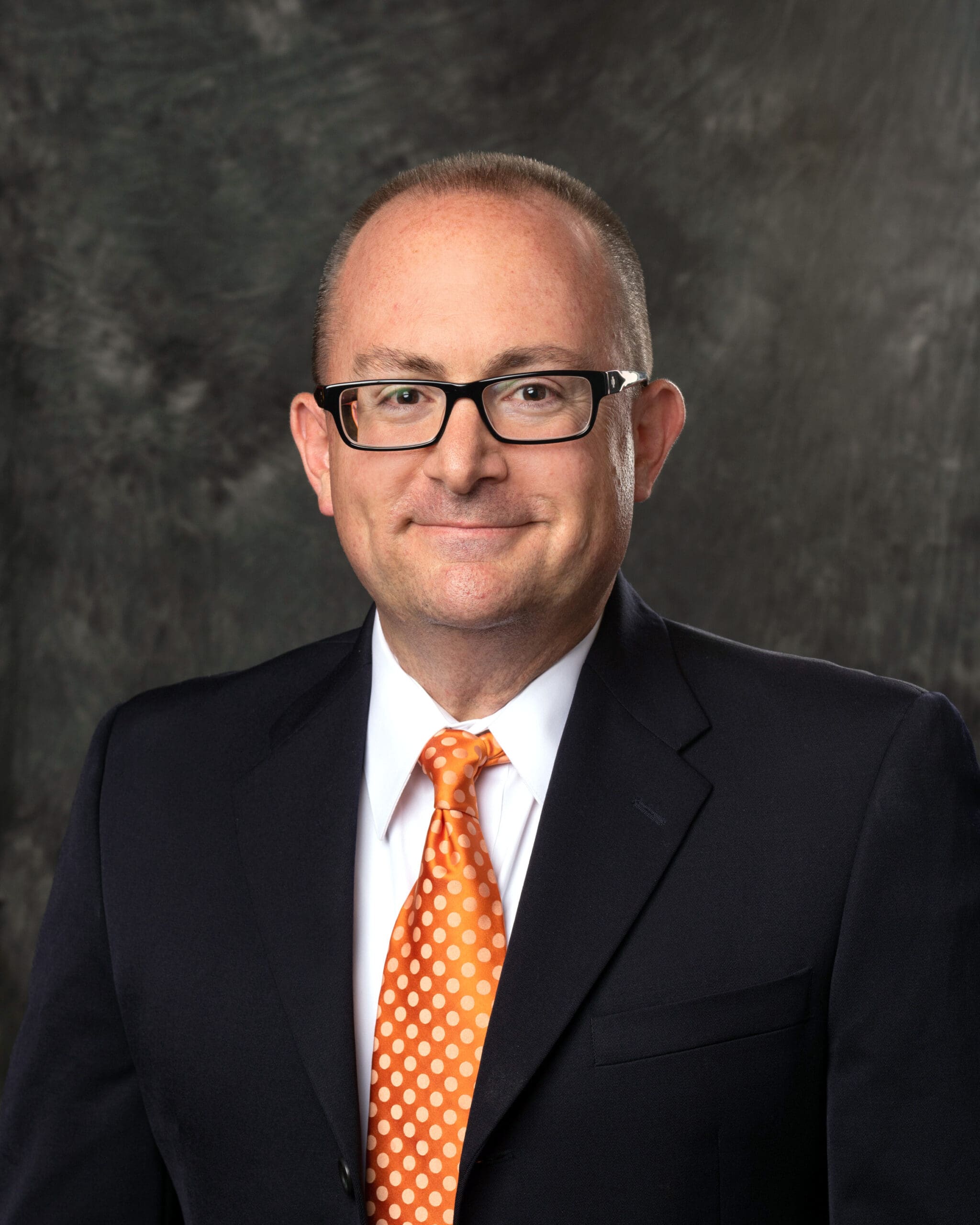
Adam Flint, vice president of the Portland market with Pacific Landscape Management, based in Hillsboro, Oregon, first got involved in advocacy when owner Bob Grover encouraged him to get plugged in at the local level.
He ended up serving as the legislative chair for the Oregon Landscape Contractors Association before meeting Andrew Bray, NALP’s senior vice president of government relations and membership.
Flint has served on NALP’s government affairs council for five years and is now also an Advocacy Ambassador for Oregon.
Advocacy in Action
One of the major issues that he has advocated for is pressure-regulating spray heads. He worked with local lobbyists to sign PRS heads into Oregon law.
“California and Washington already had laws in place requiring PRS heads,” Flint says. “We, as a board, felt it was the right thing to do from an environmental standpoint and from an industry perspective. We also wanted to build relationships with state representatives, showing them that we were leaders in the green industry.”
Flint has also successfully teamed up with other members of OLCA to phase in the gas leaf blower ban over two years rather than immediately.
“Even if legislation is likely to pass, delaying it can still reduce harm by creating time to weaken energy around the topic and organize opposition,” Flint says. “In many cases, slowing a law down is the most realistic way to limit its impact when defeating it outright is not possible.”
He says what resonated most with lawmakers was the impact that banning gas-powered blowers will have on small businesses and the lack of a plan for disposing of old batteries.
Flint says the key to framing industry concerns without sounding defensive is to stick to the facts. In instances where a lawmaker may have misconceptions about a topic, he suggests gently asking the question in initial meetings and framing future discussions around problem-solving.
Advocating for and against different matters has had a direct impact on Pacific Landscape Management’s business.
“As leaders in the industry, we signed a bill into law that improves the efficiency of our irrigation systems short term and long term,” Flint says. “We delayed the inevitable transition from gas to electric blowers to provide our suppliers critical time to improve technology. Finally, we proudly advocate for a sustainable legal workforce that resonates with our industry and customers.”
The Threats Facing the Industry
Numerous issues affect the industry and require advocacy, including H-2B, immigration reform, the transition from gas to electric and OSHA heat regulations.
For instance, without H-2B to fill seasonal labor jobs that Americans don’t want, Flint says they would struggle to service their customers. With new OSHA heat regulations, companies may be forced to adapt to unrealistic requirements that essentially prevent them from working at all in hot climates.
“We have a voice; staying quiet and complaining behind the scenes will not improve the situation,” Flint says. “We need to be united and advocate for what the industry needs.”
Flint encourages others to join the NALP Advocacy Ambassador program because we need more landscape professionals’ voices to push the industry forward.
Advocacy Ambassadors gain exclusive training, resources, and opportunities to connect with industry leaders and decision-makers.
“Raise your hand and connect with someone who can show you the ropes,” Flint says. “Most of us advocate as a team and are more than happy to support them through meetings virtually or in person.”
He notes that attending fly-ins over the years has sharpened his skills in educating legislative staffers, their clients and the general public when immigration topics get brought up.
“Our goal is to follow up with our staffers after fly-ins and share what we are experiencing in our state,” Flint says. “We also include them in our NALP immigration email campaigns.”
Flint says advocating at the state level isn’t a major burden on his time. He recommends others start advocating now rather than waiting for a global pandemic to hit.
This article was published in the Sept/Oct/Nov issue of the magazine. To read more stories from The Edge magazine, click here to subscribe to the digital edition.