

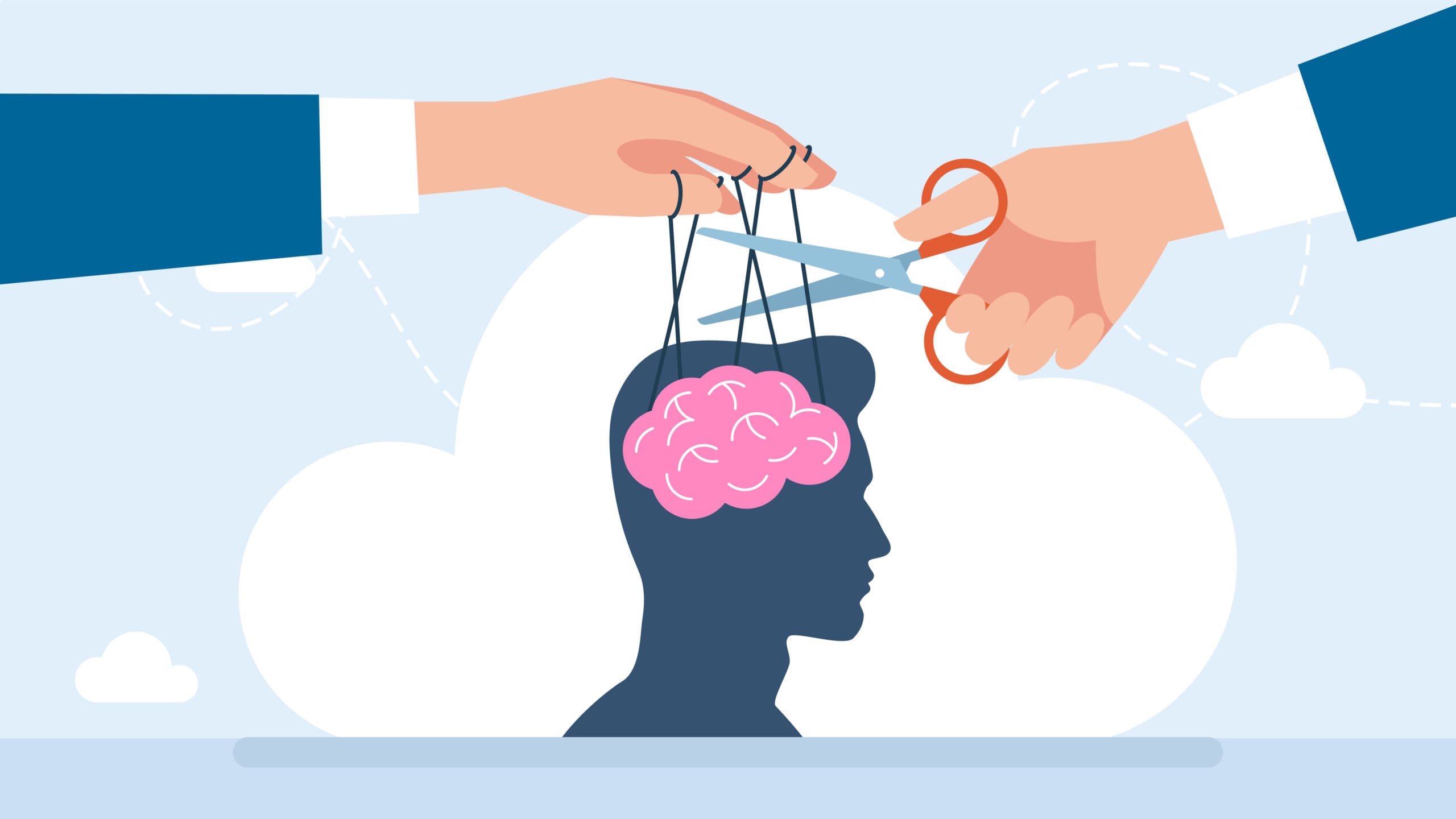
If you are frequently frustrated by having to constantly answer questions that your team members should be able to address on their own, you could be dealing with the pitfall of inadvertently teaching employees to be passive, rather than proactive.
“Time is money, and employees who can’t or won’t proceed because they are waiting for direction from above are not generating profit,” says Roger Phelps, owner of Roger Phelps Consulting, LLC.
Phelps argues that employee independence directly increases a company’s ability to grow because it removes the owner as the bottleneck and distributes decision-making across the organization.
“Autonomy is a growth multiplier,” Phelps says. “I have always believed that the group that learns faster wins, and true innovation cannot come from a single voice. When employees are empowered to think critically and take ownership, the company will experience faster problem solving, more innovation from diverse voices, reduced turnover (since ‘culture is king’ and autonomy increases engagement), and greater capacity to scale because the owner is no longer the only decision-maker.”
The Cost of Passive Employees
Phelps compares owner bottlenecks to how ocean waves will eat away at a sandcastle’s foundation. It’s very gradual, but eventually the structure falls as this dependency slows down decisions, prevents scalability, increases turnover and leads to burnout.
When clients want answers now, delayed response times can impact customer satisfaction, trust and retention.
“There are numerous examples of hotels and restaurants empowering their employees to immediately respond and address customer needs,” Phelps says. “Landscaping is not the hospitality industry, but customer care is the same in any business.”
It is also impossible to scale the business when everything is routing through one person.
“Owners should be setting the vision for the company, but ideas for executing on that vision should come from everywhere in the organization,” Phelps says. “We should be hiring people not only their ability to do the job, but for their ideas and then encouraging them to contribute. When this doesn’t happen, the owner is basically the jockey getting in the way of the horse.”
Additionally, when employees feel micromanaged or undervalued, they are far less likely to stay at an organization long term. Allowing them to feel they actually have a part in growing the business will keep you from losing team members to ‘quiet quitting’ or outright resignations.
Lastly, when owners opt to maintain this level of control in their company, they often find themselves enjoying their work less as they only have the bandwidth to address all the constant small fires cropping up.
Phelps says he encountered this personally in his role with STIHL.
“I was acting like a thermometer, reacting to situations, instead of a thermostat and setting expectations for the team,” Phelps says. “When I started empowering my people, I found that not only did they perform better, but we all were all enjoying our work more.”
What Drives Employee Dependence
No one sets out to train their team members to be passive. Rather, it comes about when an owner’s instinct is to solve the problem for their employees instead of asking, ‘What do you think we should do?”
Phelps says he experienced this firsthand when he started the social media program at STIHL, and he hired a social media manager to stay on the cutting edge. However, he quickly found they weren’t staying ahead of trends, and his social media manager was unhappy.
“I finally realized that my passion and sense of ownership in this area was forcing him to clear everything through me,” Phelps says. “In a way, I was training him to be incompetent and not only was I not getting the benefit of his expertise and creativity, but I was also slowly killing his motivation and initiative. When I empowered him to lead the program, we immediately saw improvement.”
Phelps says this can also occur when leaders opt to promote individuals without developing them first. While they may have been exceptional in one role does not guarantee they’re ready for the next step.
“Owners need to be sure that there is training and development in place, and that we are teaching critical thinking and providing ownership-based projects,” Phelps says. “Otherwise, we are setting our employees up for failure. Since no one wants to fail, these employees will take the ‘safe’ route and wait for the owner to tell them what to do.”
Fostering Autonomy
If you want to encourage more proactive contributors in your organization, you have to encourage critical thinking.
“It requires a deliberate choice that when approached by an employee we as leaders a) ask open ended questions like “What do you think we should do?”, b) guide the discussion with “Have you considered…?” questions, c) before providing feedback determine if the planned response is making the idea better, or just different, d) let them run with their plan unless there are ‘serious issues’ that would create damage to the company’s operation or brand image,” Phelps says.
Phelps notes that while everything may feel very important and very immediate, this isn’t the case in reality and you do have the time to develop your employees in this way without sacrificing operational efficiency.
One key to empowering employees is assigning low-risk ownership projects that let them practice their decision-making. This task will vary based on the individual and the situation but having them run a meeting, provide customer follow-ups, identify a process improvement and take the lead in rolling it out or having them represent the company at an industry event are all examples of where an employee can rise to a challenge.
Phelps says 30-60-90-day growth plans can also help employees become more comfortable and confident with autonomy. He adds that when team members understand what a company stands for culturally, they are better able to exercise independence as they know what boundaries to operate within.
“Use recognition systems to reward initiative,” Phelps says. “These can be tangible employee recognition and reward programs, but often I find that a sincere moment of appreciation from leadership is more impactful.”
Seek out employees’ ideas on a regular basis. During your one-on-ones, start with the questions “What do you think we should do?” and “What do you need from me to make it happen?”
“This single shift builds critical thinking, reduces dependency, reveals hidden talent, sets the tone for ownership, and costs nothing,” Phelps says. “For me, it’s the simplest lever with the biggest cultural impact.”
Addressing Accountability and Mistakes
One fear that may hold you back from empowering your employees is how to handle instances of mistakes while holding employees accountable.
“Accountability is essential but should feel like a partnership, not policing,” Phelps says. “It starts with clearly defined and mutually agreed upon objectives and guidelines. Then regular communications that allow for updates and feedback, and avoid surprises.”
How you deliver your feedback matters as well. Treat mistakes as a learning opportunity instead of something an employee should be punished for.
“People are inherently afraid of failure, but it is essential to growth and development,” Phelps says. “The idea is to acknowledge the failure, identify the reasons for it, and engage the employee in the corrective actions.”
Phelps says you should also avoid taking the task back unless absolutely necessary, as this builds accountability, resilience and confidence.
“People follow leaders they know care about them,” Phelps says. “Passive teams often reflect leadership attitudes and habits, not employee limitations. Change the habits, and the team will rise to the challenge.”
