The adoption of native plants in more residential and commercial landscapes is a trend that is being driven by consumer demand, regulatory changes and landscape professionals taking the lead.
Native plants support biodiversity and tend to be hardier than non-native varieties, requiring fewer inputs to keep them alive.
As client values shift, you can take advantage of this focus on sustainability by serving as a professional resource they can trust.
Strategic Advantages to Promoting Native Plants
Establishing your company as an expert in the native plant space can help serve as a differentiator in your market. Earning relevant credentials like the Grow Native! Professional Certification can strengthen customer trust in your abilities.
You can also expand your service offerings by providing pollinator gardens, meadows, habitat restoration and rain gardens.
Highlighting the sustainability benefits of native plants on your website and in your proposals is another way to attract clients who are seeking LEED certification or individuals with a desire to support biodiversity.
Messaging your commitment to including native species is another way to capture new market segments. For instance, Rossen Landscape, based in Great Falls, Virginia, shares on their site that they use at least 20% native species in all their property plans.
Setting Proper Expectations
The first step to ensuring a client is satisfied with the incorporation of native plants on their property is to understand their motivation for requesting them. Some may deeply value sustainability practices, while others are attracted to the low-maintenance aspect of native plants. Others may be seeking LEED certification or wish to support certain pollinators.
Gathering this background information will help your team determine whether a landscape design should be 100% native or have certain portions of the property that feature these types of plants.
The next crucial conversation is educating clients about how long it will take for certain natives to get established and their seasonal appearance. Some may have the assumption that all native plants equal a ‘messy’ appearance in the landscape but this doesn’t have to be the case.
“As professional designers, we need to show how native plants can also be incorporated into highly ordered spaces, too,” says Sarah Vanek, a landscape consultant located in Omaha, Nebraska, with Ryan Lawn & Tree based in Merriam, Kansas.
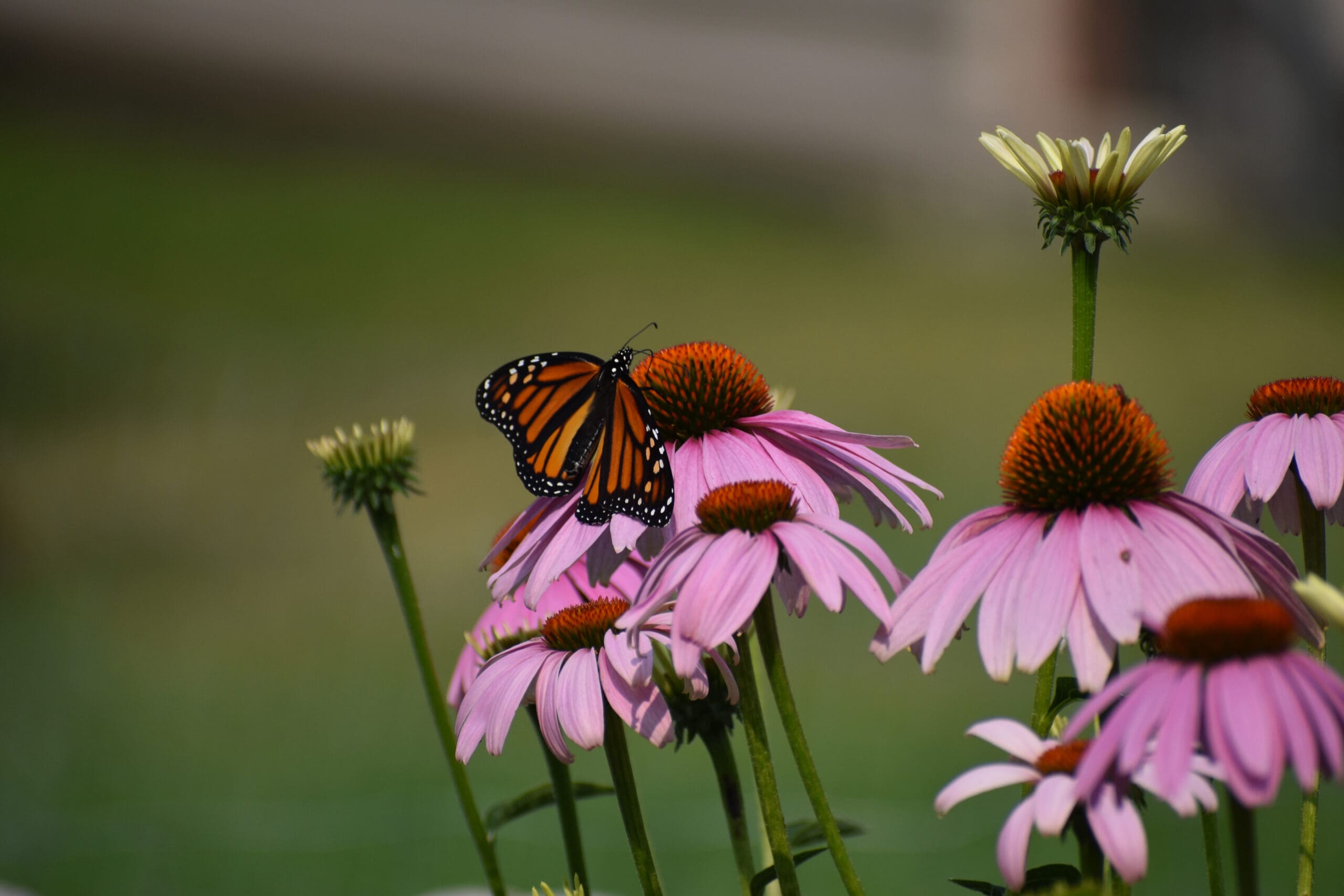
Vanek suggests one way to bridge the gap with more formal landscapes is to utilize boxwood shrubs, but sprinkle in color with native perennials like purple coneflower or Missouri evening primrose.
Practical Considerations
While native plants are predisposed to thrive in the local climate, it’s important to still conduct a thorough site assessment of the soil type, sun exposure and drainage to select the right species for the space.
Vanek recommends selecting native plants that have a native range that extends further south of your location. This is so as temperatures continue to shift with climate change, these plants have a better chance of adapting.
Work with your client to understand their aesthetic preferences so you can be strategic about where you incorporate natives into the design. Some may have specific pollinators they wish to attract, so make sure the rest of the landscape supports this effort as well, beyond including a specific native.
Take the maintenance needs into account when incorporating native plants into the design. Some may need seasonal cutbacks or measures to prevent them from spreading into other areas of the landscape.
Sourcing Native Plants
Seek out growers who are familiar with your region’s local ecosystem. One tool for connecting with nurseries that sell native plants is GrowLocalPlants.com. Ask these growers which native species they’ve found perform the best in the market. Work with them to determine their lead times and availability well in advance before you start including the native plants in your designs.
One option is ordering less mature native plants from specialty nurseries. Vanek says these plants can catch up quickly once they’re planted.
When sourcing native plants, it’s important to pay attention to whether the plant material has been bred for specific traits. These nativars don’t always provide the same ecological value as a true native plant.