

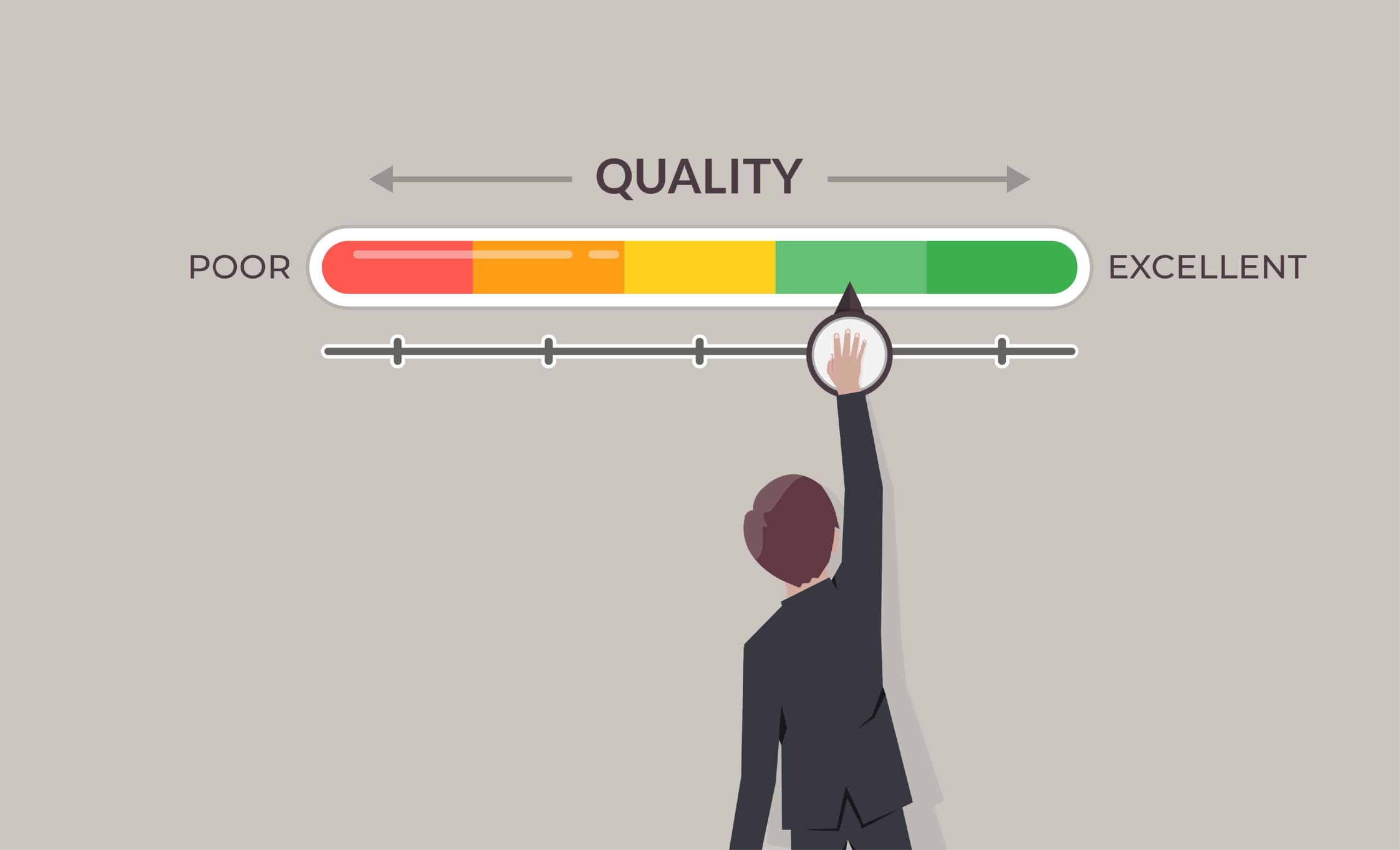
Quality control can be a major fear when it comes to growing via branches. How do you ensure every location is performing at an acceptable level? What do you do when one branch is struggling and all the others are performing great?
Landscape Workshop, based in Birmingham, Alabama, has multiple locations spread across the Southeast, including Alabama, Tennessee, Georgia, Kentucky, Louisiana, Florida, South Carolina, North Carolina, Virginia and Arkansas. They are deeply committed to providing high-level service and do not tolerate low performers in their organization.
Tracking Branch Health
To ensure each of their branches is at peak performance, Joe Socolof, COO of Landscape Workshop, says they track key performance metrics like retention, enhancement sales, and labor efficiency while analyzing the behaviors that drive these outcomes.
“For example, with enhancement sales, we monitor the number of proposals, proposal dollar volume, and aging proposals (proposals that remain open but haven’t been won or lost),” Socolof says. “Tracking these behaviors ensures we are proposing enough work and following up effectively.”
With labor efficiency, they monitor unplanned stops, idle time, and the time it takes to reach the first job. Socolof says these behavioral indicators serve as their canary in the coal mine.
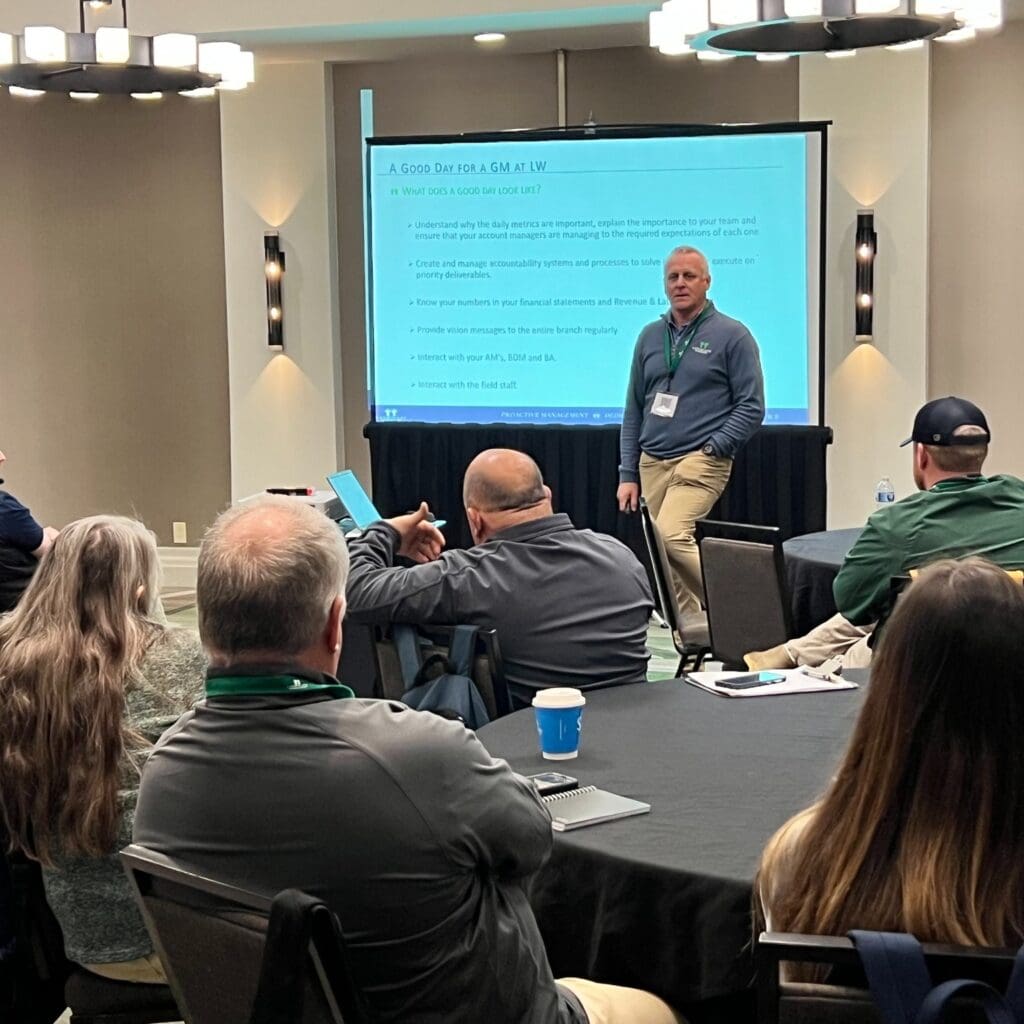
Landscape Workshop is able to track their branch data via Aspire and Azuga.
“By analyzing Aspire data, we can determine whether a branch has a structured daily plan and how well they execute it,” he says. “Azuga, our GPS system, verifies that crews follow efficient routes, visit all assigned jobs, and correctly start and stop at each property.”
The company has a team dedicated to reviewing the data in Aspire and Azuga is accurate and reflects field operations while another team extracts this data to build reports and business intelligence tools. This gives Landscape Workshop a clear picture of how each branch is performing.
Socolof says their goal is to recognize warning signs as early as possible.
“If we wait for retention, enhancement sales, labor efficiency, or profitability to indicate trouble, it’s already too late,” he says. “We look at behavioral indicators, like Aspire hygiene (how well data is managed in Aspire), to detect early breakdowns before they escalate into systemic financial problems.”
Responding to a Struggling Branch
If a branch has become mediocre, Socolof says this stems from a ‘skill’ or a ‘will’ issue either at the frontline or management level. Crews could lack training or motivation or general managers are not enforcing accountability or following systems.
“If it’s a ‘will’ issue, we act quickly — motivate if possible, but exit if necessary,” Socolof says. “If it’s a skill issue, my team and I invest heavily in support and training.”
He argues that failure is almost always an internal issue.
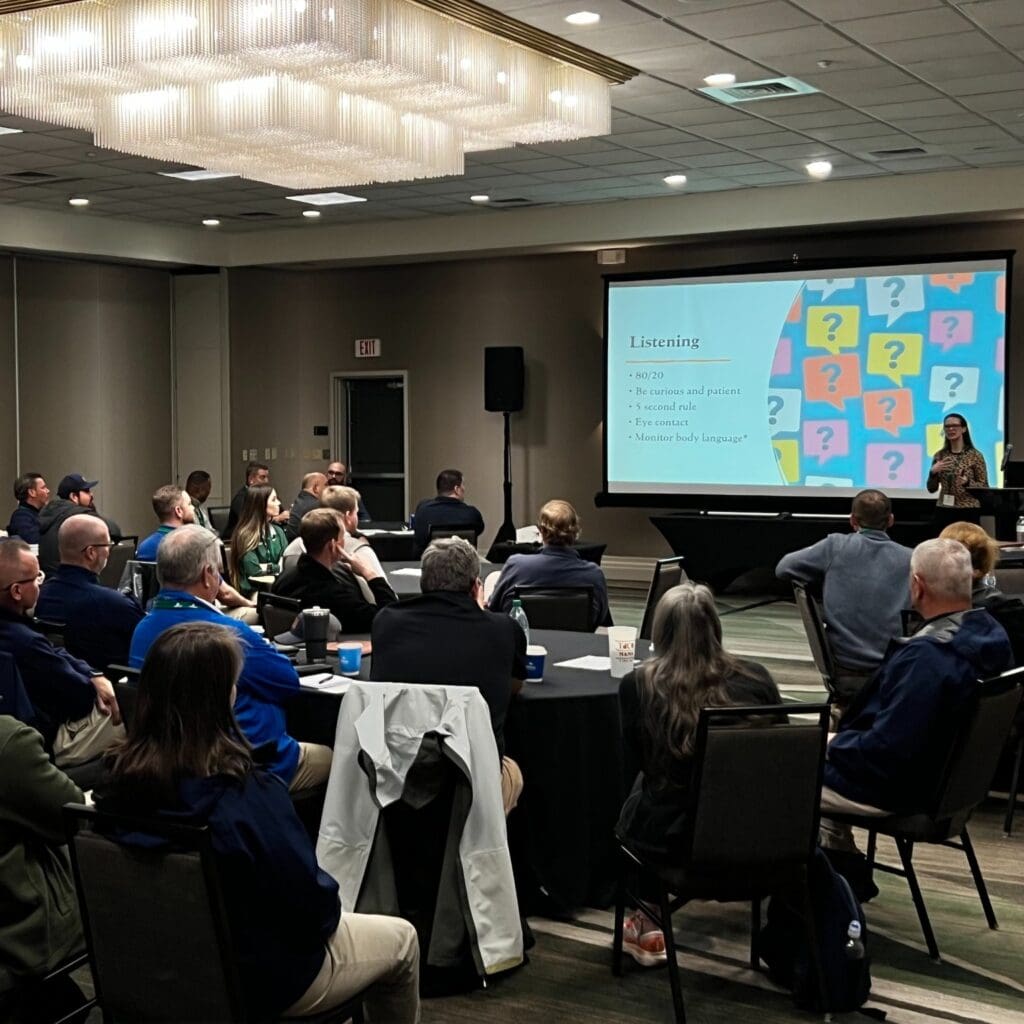
“In my view, the tougher the industry, the greater the opportunity for us,” Socolof says. “For example, after COVID, inflationary pressures created real challenges. Some companies struggled, but we ensured necessary price increases were passed on to customers. As the saying goes, you don’t need to outrun the bear — just the person next to you. In tough times, we make sure we’re moving faster than the competition.”
When Landscape Workshop encounters a branch that is struggling, Socolof says their first response is to shorten the intervals of control. They have weekly one-on-one meetings at all levels of the organization, and they will increase the frequency to twice a week or even daily until improvements take place.
He says they also get more granular. Landscape Workshop tracks all communication between account managers and their customers. If concerns arise, general managers will deep dive into specific exchanges, review texts and emails and accompany account managers during on-site visits.
“At this level of scrutiny, issues have nowhere to hide,” Socolof says.
Socolof says often when bad behavior is identified and questioned, excuses follow. He says the trick is to see through the noise by asking second and third-order questions to determine whether the response is legitimate or a cover-up for a bigger issue.
Maintaining Branch Excellence
When addressing a struggling branch, the amount of time it takes to turn things around can vary. Socolof says when they’ve responded too slowly, it can take years to turn things around. However, other times, they’ve been able to drive real change in as little as three months as they’ve learned to identify mediocrity earlier.
He says there isn’t one specific operational change that can remedy the situation.

“In extreme cases, we bring in a ‘fixer’ to take full control and reset the branch,” Socolof says. “This can involve a complete team change and a cultural rebuild. In cases where we catch problems early, a bit of feedback, coaching, or increased leadership presence often does the trick.”
Buy-in to adjust to these changes isn’t automatic. It’s based on trust and company culture.
“We spend more energy cultivating our culture than on any other aspect of our business,” Socolof says. “Over time, this fosters trust, which in turn drives buy-in for our initiatives.”
Once they’ve gotten a branch to excellence, Socolof says the key is celebrating and rewarding high performance.
“Winning creates a virtuous cycle — excellence breeds more excellence,” he says. “Our best branches receive top-tier recognition and rewards, keeping them motivated. However, even top-performing branches operate under our system, which quickly detects any cracks in performance or behaviors that drive success.”
If you’re struggling with subpar branches, the key is not to accept mediocrity.
Landscape Workshop often uses the marshmallow test, where children are given the choice between one marshmallow now or three if they wait, as a comparison. The branches that fail the marshmallow test avoid tough, long-term decisions. If this is acceptable at your organization, you will build a culture of mediocrity.
“In the short term, make performance transparent,” Socolof says. “If you don’t, mediocrity will creep in before you even realize it — and by then, you’ve already lost.”
