

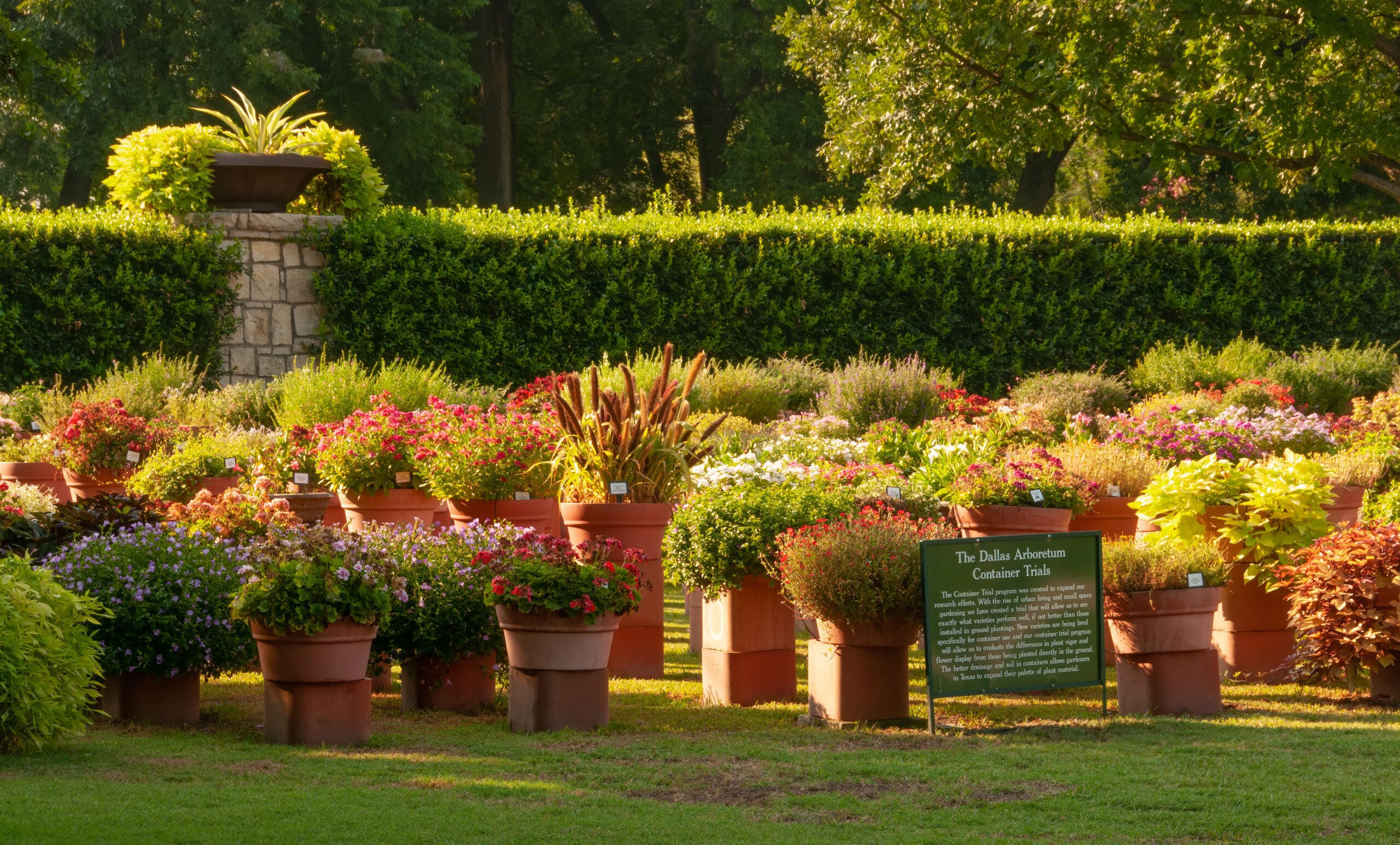
Plant growers are always working on introducing new annuals and perennials that can withstand the different challenges Mother Nature throws at them. These traits are put to the test at plant trials across the country and the best part is you can visit these sites yourself to view their viability.
You can gain an edge on what plants are up and coming and record which plants are your favorites from the trials you visit.
How They Work
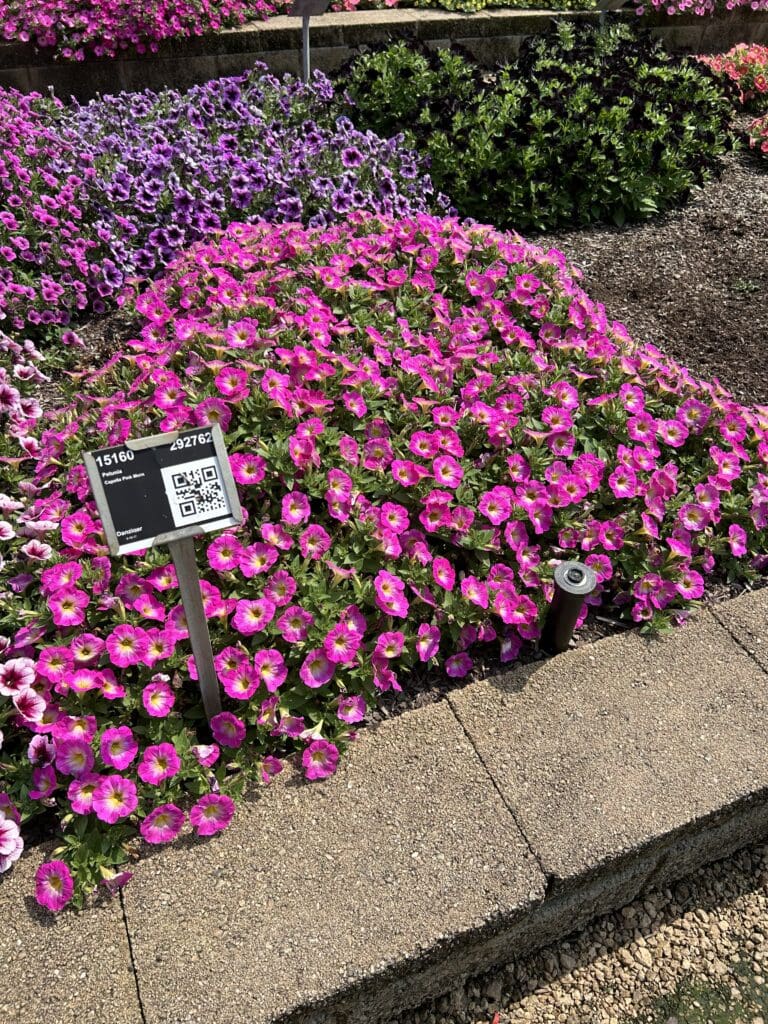
Plant trials are conducted at universities and public botanical gardens. Commercial plant producers also hold trials at their facilities throughout the country.
Depending on the location, the number of plants trialed varies greatly. For instance, the Dallas Arboretum trials between 3,000 and 5,000 plants yearly from over 50 plant breeding companies. Meanwhile, Longwood Gardens trials around 500 new plants every year.
The various trial plants’ performances are recorded, including vigor, uniformity and ornamental value. Researchers will note susceptibility to diseases and insects and tolerance to changes in climatic conditions. Trial scores for each plant are available with stats like overall growth, foliage and uniformity.
The plants’ performance will depend on a number of factors, including genetics, soil and weather conditions. Once these varieties are evaluated and selected as strong additions to the marketplace, they will eventually be sold commercially.
Making the Most out of Plant Trials
The greatest benefit of plant trials is that, typically, a test garden is located near your service area, which provides you with better certainty of a plant’s ability to thrive. Different brands, such as Proven Winners and Danziger, have lists you can search based on regions to find a plant trial near you.
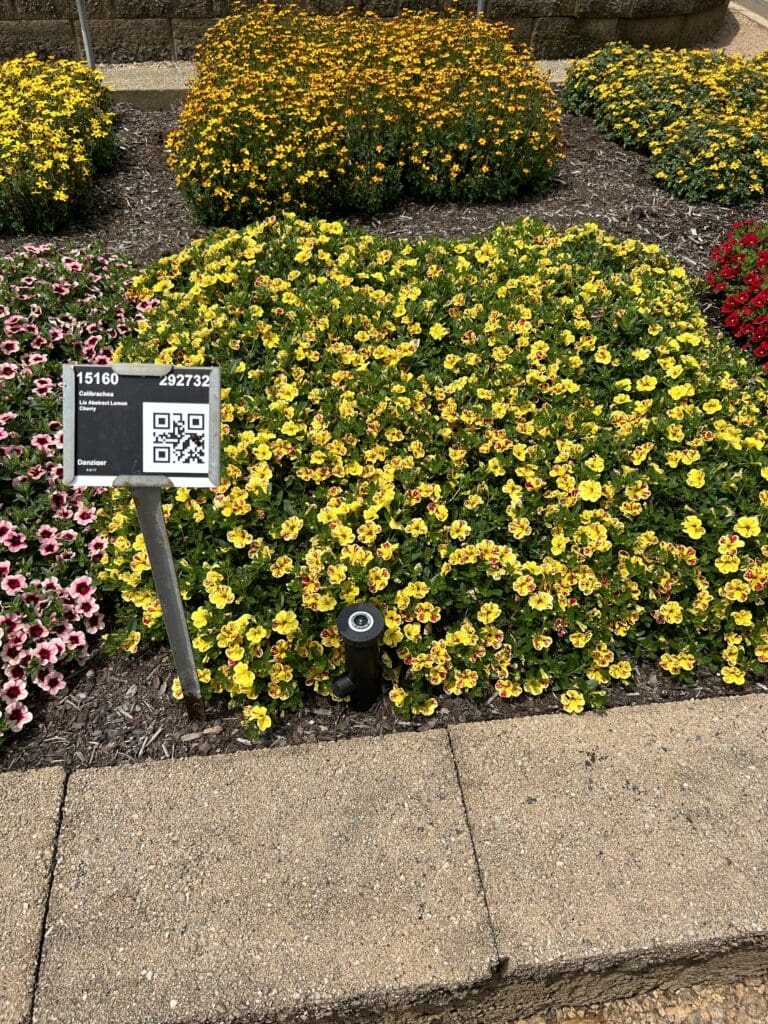
When you visit a local plant trial, keep in mind which traits you’re looking for and see if the plant is also meeting other requirements. For instance, if you’re looking for drought-tolerant annuals to use in your seasonal color displays, their color retention and bloom period also should be considered.
Heat tolerance, pest resistance, and growth habits will also determine the suitability of some of these trial plants for your landscape needs.
Depending on the trial garden you visit, some sites might have various microclimates on the property, so keep this in mind when evaluating plants. For instance, the Chicago Botanical Garden has sites for uniform growing conditions and other settings like shade or green roofs.
Experts are also on hand at these locations, where you can ask additional questions about the cultural practices used on the plants to better understand what allows them to thrive. You can also seek insights on the long-term performance of the trial plants from these professionals.
If you do find plants of note, make sure to document their performance data and take pictures for future reference when working on designs.
Even if you can’t attend your local plant trial, many locations have notes and images of the plants’ performances online.
