

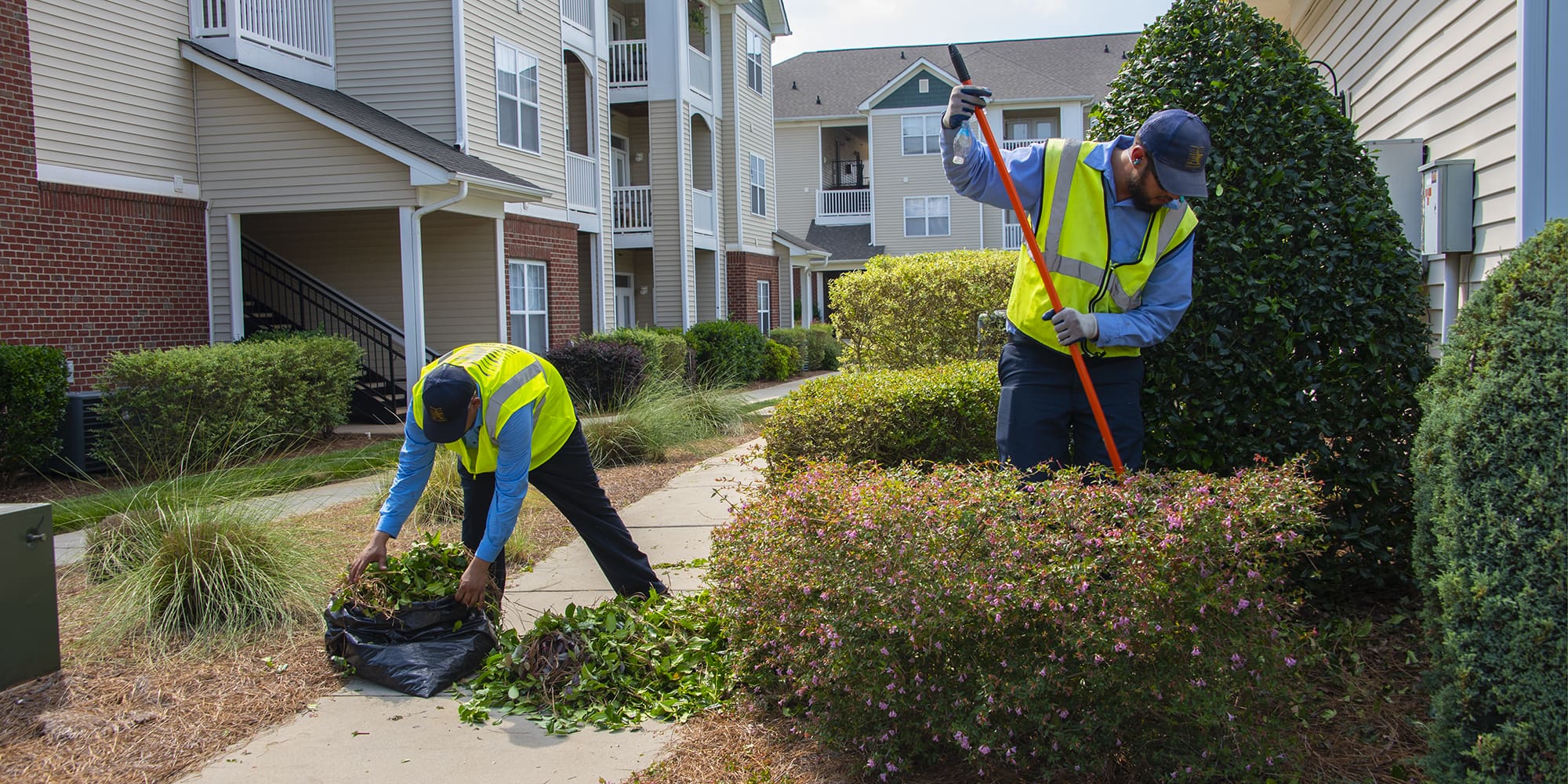
That time of the year ruefully dubbed the ‘100 days of hell’ will be here before you know it, but it doesn’t have to be a period of pure stress and havoc.
Check out some of the valuable lessons other landscape professionals have learned from past busy seasons below.
Planning Ahead
A lot of your success can be determined by how well you plan ahead for the upcoming busy season.
“Chance favors the prepared mind!” says Ken Kuntze, director of operations with Hidden Creek Landscaping, based in Columbus, Ohio. “If you want to have a chance at success, you must prepare! If you think you are just going to wing it, then you probably aren’t going to be too successful.”
Kuntze recommends using the slow period at the start of the year to identify pain points from the prior year and discuss with the team how to solve these issues.

Ken Hutcheson, president of U.S. Lawns, headquartered in Orlando, Florida, says companies must anticipate, budget and prepare.
“Anticipate the challenges — hiring demands, equipment needs, weather disruptions, and cash flow fluctuations — so nothing catches you off guard,” Hutcheson says. “Budget wisely to ensure financial stability, factoring in the intense demands of the season. And most importantly, prepare by having strong systems in place for recruiting, training, maintenance, and customer communication.”
Taylor Milliken with Milosi, based in Henderson, Tennessee, admits that in the past, they took it a little easier in the winter months, but now they understand the importance of planning.
“As soon as January 1st rolls around, we know we have to immediately begin executing our winter preparation plan, including prepping our fleet, updating our recurring routes, updating our accountability chart and crew setup, etc.,” Milliken says.
Milliken says their traditions calendar helps them focus on things that need to be done every year without reinventing the wheel.
Adapting and Reviewing
Mike Rorie, board member of GroundSystems, based in Cincinnati, Ohio, says by executing your plan, you only have to manage what deviates from the plan versus managing everything.
“Great planning, knowing your demands up and down the line, and not agreeing to put any more in that high demand is also a part of succeeding,” Rorie says. “In-depth planning and truly knowing the demands against the quantities across the board will give you an opportunity for more successes this time of the year.”

Kuntze advises being mentally prepared for every type of scenario during the busy season and having plans in place so you can adapt to it being wet or hot and dry.
Milliken suggests planning out what a conservative, successful 100 days look like. However, you can’t be too rigid, as things change on a daily and weekly basis.
“Once it’s over, sit down with the team and find out what went well and what didn’t,” Milliken says. “Then update your plan while it’s still fresh on your mind. Then, next year, pull that plan out and brief the team and see what else needs to change as you are nearing the 100 days with a focus on success.”
Milliken says they are constantly looking to get better, so they conduct after action reviews where they consider ways to improve their recurring processes. He says this can help make the busy season more manageable.
“We look at it as the 100 days that we can get to impact and interact with our clients more than any other time of the year,” Milliken says. “That is something to be celebrated, not feared.”
Control What You Can Control
Hutcheson says one of their biggest improvements over the years has been staying disciplined in focusing on what they can control.
“A guiding principle for us has always been, ‘Control what you can control,’” Hutcheson says. “We’ve become highly intentional in our planning, which allows us to tackle challenges in a systematic, strategic way rather than reacting to them.”
Factors like the weather will always be beyond your power, but how your company responds to various difficulties can make a major difference.
“You’ve got to have the management in place and competent,” Rorie says. “You’ve got to have the equipment in place and ready to roll. You’ve obviously got to have your materials lined up and, most importantly, the right quantity of crew leaders and crewmen with a level of skill and confidence that allows you to hit your targets.”
Prioritize Customer Communication
It’s easy to assume your clients will understand why you’re not servicing a property when it’s raining or to think they know you’re going to finish a job next week, but that doesn’t make radio silence acceptable.
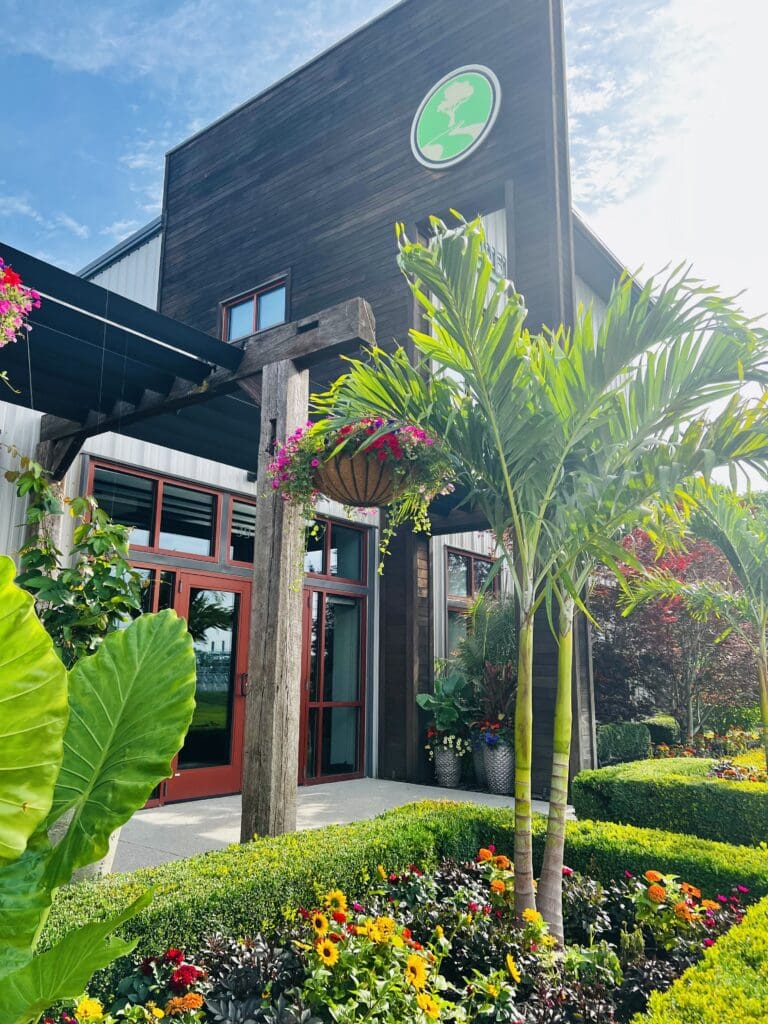
Even though your team is busy, make proactive communication with your clients a priority. Kuntze says they talk to their foremen three times a day and relay any feedback to the sales team since they are the primary communicators with the clients.
“Software is also key,” Kuntze says. “Foremen can take before and after pictures, they can add notes to the timesheets, and anyone that speaks to a client uploads those notes into the CRM so that anyone can open the account and see what is going on quickly.”
Milliken notes it takes the whole team to ensure customer satisfaction.
“First and foremost, you have to have a culture that eats, sleeps, and breathes customer satisfaction,” Milliken says. “We call it Unreasonable Hospitality based on the wonderful book we read in 2024.”
Milosi achieves this by conducting routine maintenance walks by their property care managers and field managers, quarterly quality walks by their division managers and punch list walks with the client and project team. Milliken conducts current project customer service calls personally.
Key Takeaways
- Using the slower months to anticipate hiring needs, equipment maintenance, weather disruptions, and cash flow fluctuations ensures a smoother busy season.
- While having a well-structured plan is essential, being flexible and reviewing what worked and what didn’t after the season helps refine processes for future success.
- Keeping clients informed through structured communication, CRM tools, and routine updates prevents misunderstandings and builds trust during the busiest season.