
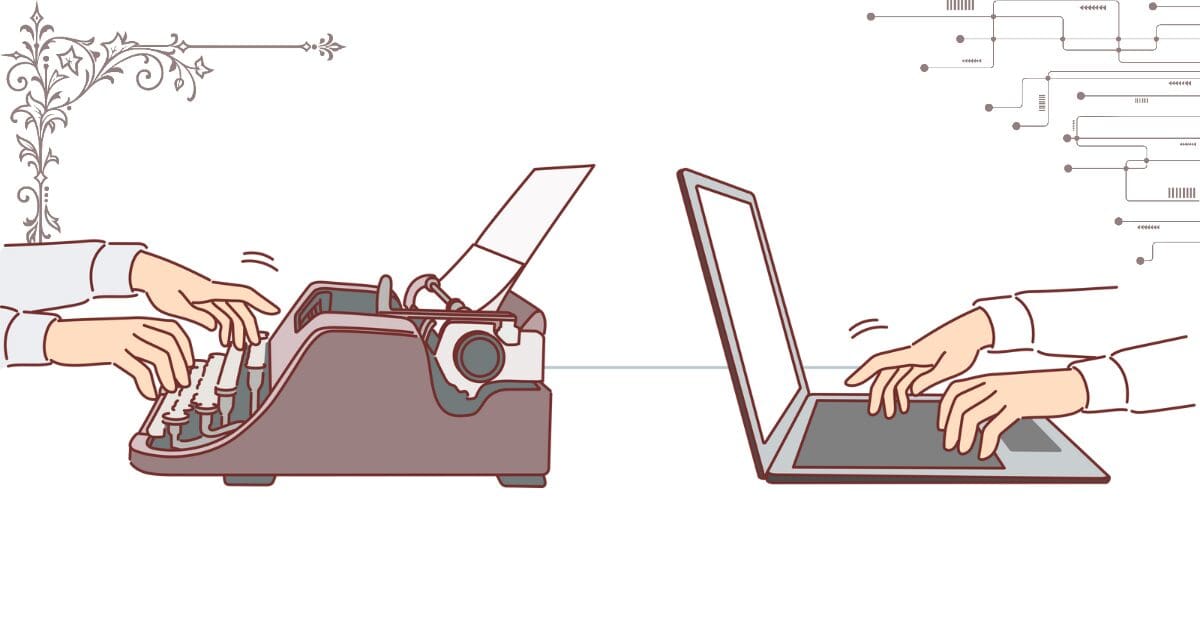
You may have certain practices that allowed your landscape business to grow into the company it is today, but do they still serve your organization? While it’s important to preserve your company’s purpose, there’s a fine line between protecting a company’s legacy and becoming stuck in the past.
Know What to Preserve and What to Change
While you want to make sure your team is following the original purpose of the business, this isn’t an excuse to avoid changing.
“I don’t think legacy should preserve the past,” says Roscoe Klausing, CEO of Klausing Group, PBC, based in Lexington, Kentucky. “It should preserve purpose. The systems, ideas, and philosophies that built the company should continue evolving. If people spend their time asking, ‘What would the founder have done?’ the organization eventually stops growing. Legacy should provide direction, not limitations.”
For example, you can stay committed to providing excellent customer service while changing how you communicate with clients. Quality service can still be provided while exploring new technology and equipment.
Dave Mazanowski, founder of Mainscape, based in Fishers, Indiana, says it’s good to have stories and lore in your company, but it shouldn’t prevent your company from being creative and forward-thinking.
“Organizations can get nostalgic just because of their own leadership style,” Mazanowski says. “That’s why part of our vision is growth. The reason we want to grow is because we want to take care of more people. We want more people to work here, so they can have human flourishing. That’s a lot different than just growth for the sake of it.”
Some of the indicators that the team has become mired in the past are if they are reluctant to question decisions made by the founder or if maintaining traditions takes priority over meeting changing customer or employee needs.
Give Employees Permission to Do Things Differently
Frank Mariani, founder and executive chairman of Mariani Premier Group, based in Lake Bluff, Illinois, says their organization avoids falling into this trap by looking for ways to do things better each and every day.
“If people are not making mistakes, they are not trying hard enough at Mariani,” Mariani says. “Now, do me a favor. Don’t make the same mistake three times. But if you’re making a mistake because you’re trying something new, I’m all for it. There’s nothing wrong with ‘This is the way we do it’ as long as you have the caveat ‘Until you come up with a better way to do it.’”
Greg Ina, executive vice president of the Davey Institute and employee development at The Davey Tree Expert Company, says they’ve made a point to evolve alongside the industry while staying true to their core values and history.
“We stay forward-looking while still honoring where we came from, and employee feedback helps guide that direction,” Ina says. “Our employee-ownership legacy is what makes that possible — it stays constant even as the industry changes, blending history with growth.”
Jerry Maldonado, owner and vice president of Maldonado Nursery & Landscaping, Inc., based in San Antonio, Texas, says that because their legacy is progressing, moving forward, and creating opportunities for anyone who has the desire, drive and capacity to do so, that inherently requires them to grow in every aspect of the business.
If you truly want a business to thrive without you one day, you must be willing for the next generation to do things differently.