

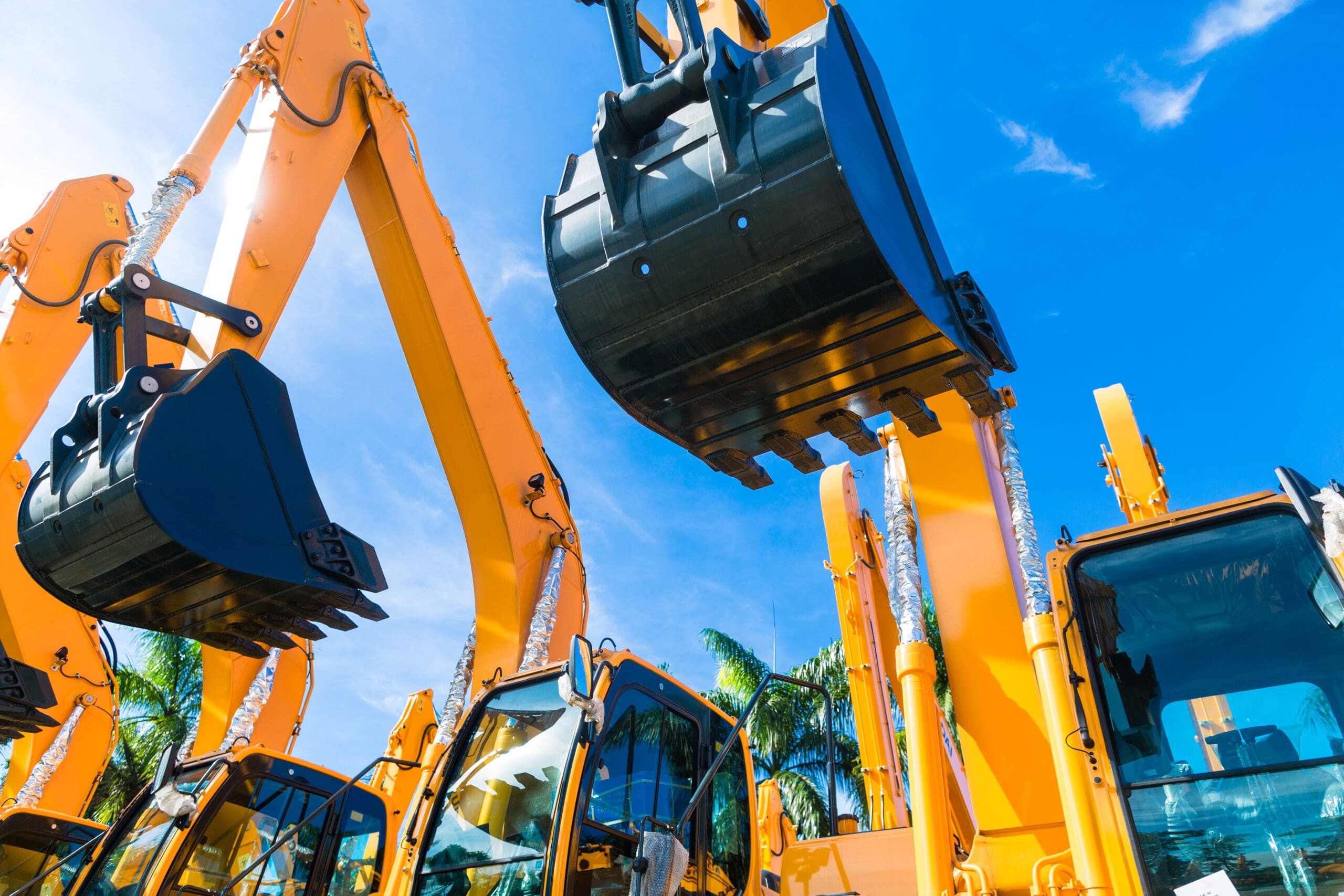
Do you have a strategy for how you go about buying, renting and leasing your trucks and equipment or is it simply haphazard improvisation?
Each of these options has valuable benefits for your landscape business, which is why it’s important to think through some of the different considerations for each approach.
Short-Term Versus Long-Term Needs
If you are in need of specialty equipment for a one-off project, renting is the obvious answer, but you need to track the hours of usage for any rented equipment because, in some cases, it may be better to buy or lease instead.
“If you plan on renting the equipment to the point where you’ll be spending upwards of 40% of what it costs retail, you should probably just buy it,” says Josh Flynn, CEO of Power Equipment Plus, based in East Hampton, New York. “Whether that’s on a one-time rental or over the course of the previous season, if you have that much invested in renting it, you’ll probably benefit from owning it.”
Flynn, who was also previously the CEO of Seabreeze Property Services in Portland, Maine, says in the case of snow removal equipment, it was significantly better for them to lease versus rent.
“Rental prices on snow equipment are often really, really high, so you can probably lease one for less than the cost of renting and then use it during the green season,” Flynn says.
Seth Kehne, president of Lawn Butler, based in Knoxville, Tennessee, says leasing can be a good option for companies that want to turn their equipment regularly and have very little fleet management expenses. If you have a mechanic, it may make more sense to buy and keep your equipment long-term.
“For us with buying, the depreciation schedule is less than a lease over time, but then we have more maintenance and upkeep,” Kehne says. “I think we win overall the majority of the time. It’s better.”
Kehne says they send off hydraulic and motor oil samples twice a year to see how the equipment is doing and if it’s something they want to keep working on or if there are some major repairs coming up soon and it’s time to sell the machine.
Aaron Griffith, director of professional dealer sales with Stanley Black & Decker, adds you should consider how hard you are on the equipment and understand the end of lease terms for what condition the product needs to be returned in.
“At the end of the day a good preventative maintenance plan and following the manufacturer’s service schedules is needed for whichever decision you decide is best for your business,” Griffith says.
Involve Others In the Decision Process
Don’t leave the call of when to buy, lease or rent up to just yourself. Griffith encourages making this part of the discussion when you are planning.
“Bring in your fleet managers, purchasing department, financial advisors, or tax professional and make the decision that is best for your business,” Griffith says. “This shouldn’t be a one-and-done conversation but one that happens throughout the year and the life cycle of any business.”
Flynn adds you should also talk to your dealer to make sure you’re making the right purchase at the right time.
“There are a lot of new and fancy items on the market each year, but that doesn’t make it the best option,” Flynn says. “Dealers are willing to demo or loan equipment to landscapers so they can make sure it does exactly what they need it to.”
Tax Implications
Whether you choose to buy, lease or rent your equipment can also impact your taxes.
Kehne says while they may not need the equipment until the second quarter, if they know they need it and they’re in a higher tax bracket, they will purchase machinery early to take advantage of the Section 179 depreciation.
“Many times, we buy a lot of equipment in December, and so we’ll look at our taxes and talk with our accountant and depending on what it’s looking like, then we will maybe push our purchases,” Kehne says.
Flynn agrees that some customers choose to purchase towards the end of the year in order to take advantage of Section 179.
“It’s a short-term gain, but it can be worth it for some,” Flynn says.
Common Mistakes
Failing to track your numbers can result in several common mistakes, including renting equipment too often or buying too many machines that are not being fully utilized for their price.
“As you continue to grow your business this is something to always keep a pulse on,” Griffith says. “Make sure you are balancing contract or work growth with the right amount of equipment. Sometimes running lean can help profitability.”
Flynn says if you don’t have a pipeline of work, you can easily get in trouble. He says it’s good to know how to get out of a piece of equipment just as well as how to acquire it.
“Snow is particularly difficult to judge as it’s a cutthroat industry with lots of expensive pieces required to do the job,” Flynn says. “Year to year, you probably don’t get into too much trouble, but work can dwindle or disappear over the course of a finance agreement or a lease, which can be detrimental.”
On the flip side, Flynn says sometimes owners can be more frugal than they should be.
“In reality, most companies probably have fewer pieces than they should, with few, if any, backups in case of breakdowns,” Flynn says.
He advises looking at the whole picture, as often people just see the price tag and don’t take into account the total cost of ownership or the relationship building with your dealer.
“Sometimes things are cheaper for a reason,” Flynn says.
