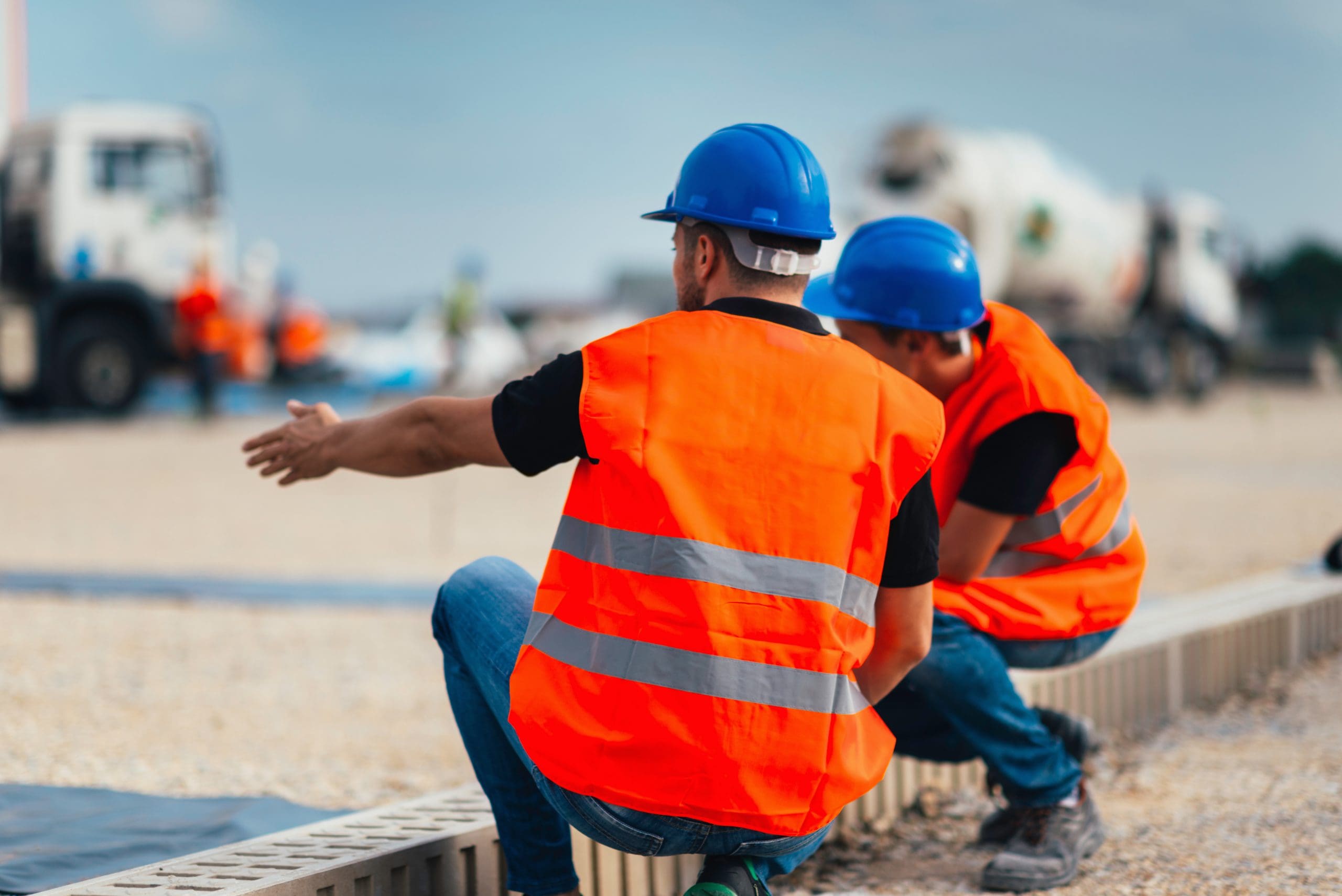
Roughly 35% of work-related injuries happen within a worker’s first year on the job, according to OSHA. There are numerous factors at play as to why new hires are far more likely to get hurt. One is that new employees often have no experience working in the landscape industry and are unfamiliar with the different machinery used on the job.
“While a new hire may have indicated that they have operated mowers or materials handling equipment in the past, the diversity and commercial size differences in machinery and materials may be well past their level of expertise,” says Sam Steel, NALP’s safety advisor.
Steel adds some new hires may not place a high priority on safe work practices, while others may be seeking a post-retirement occupation and their health issues related to aging and existing dependency on medications may negatively impact their ability to safely operate machinery.
New employees can also be unaccustomed to the physical demands and pace of the work.
“Even after completing initial training, they often don’t yet have the situational awareness that experienced team members develop over time, such as the ability to anticipate hazards, recognize risk patterns, and adjust their behavior,” Sean Clifford, senior director of learning & development for Massey Services, Inc., based in Orlando, Florida. “Further, new team members are also reluctant to speak up when unsure, which leads them to push through tasks they don’t fully understand. When you combine inexperience, hesitation to ask questions, and the fast pace of field work, the risk of injury naturally increases.”
Common Injuries Among New Hires
The most frequent causes of accidents and injuries among new hires stem from a failure to use personal protective equipment or from improper technique/lack of situational awareness.
Steel says eye injuries, permanent hearing loss, and laceration injuries are common as employees fail to protect themselves from excessive noise, flying debris, or objects that can result in head injuries.
Clifford notes that for their company, some of the most common injuries among new hires fall into the categories of soft-tissue injuries, slip, trip and fall accidents and heat-related illnesses. He says the fall incidents are more common in unfamiliar terrain or wet conditions, while heat-related illnesses occur when new hires haven’t learned how to pace themselves, hydrate and recognize early symptoms.

Steel adds that recent research on heat illnesses has found that some mental health and cardiac medications increase susceptibility to heat stress.
“Leg and back injuries resulting from improper lifting techniques are common when crew members attempt to lift heavy and bulky equipment and materials without proper training and assistance,” Steel says.
Building a Strong Foundation
Ensuring new hires know how to work safely starts on day one.
“Start with sharing information on company safety policies, safety procedures, and safety practices that are designed to reduce or eliminate hazards in the workplace,” Steel says. “Make sure that new hires have participated in safety awareness training prior to exposures from identified hazardous conditions.”
Clifford says during their onboarding, new hires should be taught not only task skills but risk awareness.
“Provide new team members with a clear checklist of what constitutes ‘safe work’ within your organization, including PPE requirements, proper tool handling, and communication standards,” Clifford says. “Complement this with brief, targeted skill practice and demonstrated safe performance before allowing independent work.”
Clifford and Steel agree that supervisors and managers should observe new hires working on a daily basis to guarantee they are working in a safe manner and coach them consistently.
There is no one set amount of time it takes before new employees will be able to become comfortable operating safely. Clifford says while they may start to establish effective habits in two to four weeks, full confidence will take longer.
“Timelines vary depending on the complexity of the tasks and the individual’s previous experience,” Clifford says. “Confidence builds through consistent exposure, constructive feedback, and familiarity with both equipment and workflow.”
Steel notes that those who have been trained on various pieces of equipment and have demonstrated their safe operation of the equipment will adapt more quickly based on their newly obtained knowledge and skills.
“It should be remembered that a one-time demonstration of safe work habits is not the ‘end all’ solution,” Steel says. “Working safely on the job is a daily responsibility for all new hires and their fellow crew members.”
Because there is so much for new hires to learn and retain when it comes to working safely, monitor for signs that may indicate an individual needs additional support.
This includes making the same mistakes repeatedly despite being coached, proceeding through tasks too quickly, forgetting or not wearing PPE, or exhibiting discomfort or hesitation when operating equipment.
“Some new hires may express concern about forgetting the safety procedures they have been trained on, but others are not comfortable admitting that to their supervisors,” Steel says. “Observing them while working will often dictate the need for updated and reinforced safety training.”
Safety Training That Sticks
While safety training is important, it does your new team members no good if it isn’t memorable and engaging.
“We avoid lengthy lectures and instead focus on hands-on demonstrations, brief scenario-based activities, and peer-led discussions,” Clifford says. “New employees tend to engage more effectively when they can see, try, and discuss situations rather than just listening to instructions.”
Steel advises having trainers ask trainees to demonstrate the safe work skills, as this often results in long-term adoption of safe work behaviors.
Clifford says sharing real, anonymized examples from past incidents also helps make risks more tangible. They also utilize web-based training to introduce the concepts and define the risks. He says this format is scalable and repeatable across their multiple locations.
“Finally, we keep safety messages concise, frequent, and relevant to the day’s tasks,” Clifford says. “When delivered in small, repeated doses, this approach helps reinforce learning without overwhelming participants.”
Clifford says that rather than relying on a single event, short, focused safety sessions help reinforce habits over time.
Another effective training method is to implement the buddy system, where new hires can work alongside a well-experienced crew member and be mentored on the safe way to perform their work.
“The mentor shares and demonstrates work habits on the importance of using proper PPE, operating equipment and tools in a safe manner, and being a positive and contributing member of the crew,” Steel says. “It is important for the mentor participanting in a buddy system to set good examples of safe work behaviors at all times.”
Advice for Others
Clifford stresses that safety should be a foundational aspect of your culture, not just a checklist. Steel adds that new hires should be aware of and trained on safety interventions before being exposed to any workplace hazards.
“It is important that the safety policy statements and safety training be fully documented by the company’s HR department and the new hire with a description of the shared information, date of hire/date of training, employee signature, and company representative/trainer identification,” Steel says.
Clifford recommends setting clear expectations and not assuming new employees already know certain procedures.
“Verify understanding through demonstrations and hands-on practice,” Clifford says. “When organizations consistently implement these practices, new team members become confident, competent, and significantly less likely to experience injuries.”
This article was published in the March/April/May issue of the magazine. To read more stories from The Edge magazine, click here to subscribe to the digital edition.