

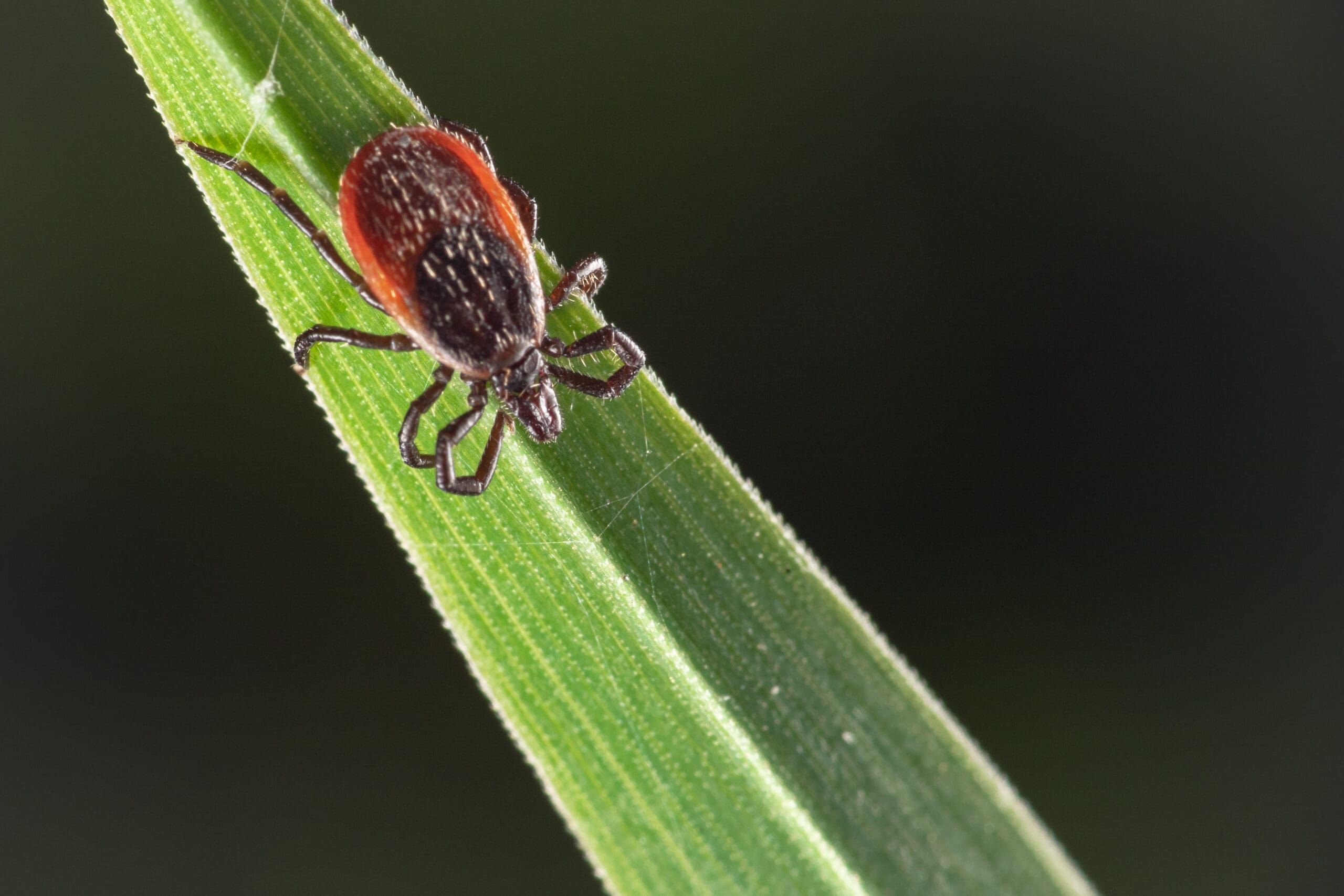
Emergency room visits for tick bites have been exploding this year, and while they are commonly prevalent in the Northwest and the Upper Midwest, tick populations have been spreading beyond into states including Virginia, West Virginia, Ohio, Kentucky and Tennessee.
Tick bites can be far more than a simple nuisance, as they are the vector for a number of diseases, including Lyme disease, Rocky Mountain spotted fever and Heartland virus.
Lyme disease can cause a variety of symptoms, including fever, rash, facial paralysis, irregular heartbeat and arthritis, while Rocky Mountain spotted fever causes fever, headache, nausea or vomiting, stomach pain, and muscle pain.
Heartland virus causes fever, fatigue, decreased appetite, headache, nausea, diarrhea and muscle pain.
“In many regions of the U.S., their infectious outbreaks overlap and knowing the tick species and carefully noting disease symptoms can help determine what disease we are dealing with,” says Sam Steel, NALP’s safety advisor. “Both of the bacterial diseases are treatable with doxycycline if early detection through blood tests confirms their presence in the victim(s). Heartland virus has no known treatment medications and is, fortunately, the rarest of the diseases.”
Steel notes that Heartland virus has serious, long-term effects and has expanded south and east from northwest Missouri since its original identification.
Tick bites, particularly from lone star ticks, can also trigger alpha-gal syndrome, a serious, potentially life-threatening allergy to red meat and, in some cases, dairy products. AGS reactions can include diarrhea, hives or itchy rash, nausea or vomiting, severe stomach pain or symptoms related to anaphylaxis.
What’s Causing the Surge?
Ticks thrive in warm, wet winter weather, and Steel notes that the climate shift toward warmer, more moist conditions increases their winter season survivability.

Another factor contributing to the spread of Lyme disease by its carrier deer ticks, also known as black-legged ticks, is the larger white-tailed deer population in metro areas.
“Hopping a ride on their hosts brings them closer to humans visiting native trails and park areas,” Steel says. “As the human element contacts tall grass, brush, and leaf litter in these natural environments, they can be exposed to the serious side effects of Lyme disease transmission.”
Who’s At Risk?
Pennsylvania and New York have been the main states for deer ticks, but Lyme disease-infected regions have been moving southwest.
Record-breaking emergency room visits have also been growing in Illinois, Indiana, Iowa, Kansas, Michigan, Missouri, and Nebraska. One way to determine if your company’s business coverage area is at high risk is to use the CDC Tick Bite Tracker.
“Landscape professionals who are clearing overgrown vegetation, mowing tall grassy areas, and working on early fall clean-up job sites are at a higher risk for contacting ticks that are carrying bacterial and viral diseases that can result in long-term health effects if not detected and treated early,” Steel says.
Heaviest tick infestations are from May through July, but landscape professionals should also exercise caution during early fall brush and leaf cleanup.
Preventing Tick Bites
If you are in an area where disease-carrying ticks could be present, it’s important for your company to have policies, procedures and training to help prevent tick bites and the potential for disease transmission.
“The training is crucial to help employees understand and identify tick bite symptoms and to wear the proper clothing for covering warm and moist body parts that attract ticks,” Steel says. “Clothing repellants like permethrin (do not apply to the skin) and applying personal repellants like Deet are recommended as long as label instructions are closely followed.”
Steel also encourages posting photos of different tick species and bite symptoms at the company to increase employee awareness.
If employees have worked in a space that is likely to have ticks, they should conduct a careful daily inspection of their clothing and body for ticks. Ticks are the most infective at their nymphal stage, but this is also when they are small and harder to detect at the size of a poppyseed.
Explain to employees that ticks are attracted to the scent of human sweat and prefer to attach to parts of the body that are difficult to see when performing a body search. Tick salvia also numbs the bite site to mask any itching symptoms.
If an unattached tick is found, it can be placed in a small tube or container of rubbing alcohol. Placing work clothes in a clothes dryer set on high will also kill most ticks that are hiding in clothing.
Addressing Tick Bites
If an employee finds an attached tick, tweezers should be used to secure the tick as close to the skin as possible, including the head, then pull straight up and away from the skin.
“If a rash is present or if you haven’t IDed the tick, place it in the rubbing alcohol,” Steel says. “Since any developing rash or other symptoms may occur within hours or days, carefully monitor yourself and the bite site for the characteristic rash and swelling. If Lyme is expected, contact your healthcare provider!”
Steel notes that rashes are present in 70 to 80% of Lyme disease cases, so it’s important to monitor for the other symptoms as well after noticing a tick bite.
“Effective treatment is early treatment!” Steel says. “That is why daily inspections for ticks or tick bite symptoms are critical during tick season. Antibiotics like doxycycline are critical early in the treatment phase and may continue for an extended period of time.”
If a tick-borne illness results in hospitalization, OSHA recordkeeping requires it to be reported within 24 hours.