


The lawn and landscape industry is built on relationships, which is why some companies prefer to see their customers more as partners. Choosing to have a collaborative connection with clients versus a transactional relationship has many benefits. Likewise, opting to view vendors as partners as well can provide critical support in times of need.
Why Partner with Clients?
Rather than seeing customers as merely a means to an end, partnering with clients allows landscape companies to focus on a shared investment and work together.
“They’re investing a lot in us, and in turn, there’s a lot that we have to invest in order to meet our obligation to the client,” says Joseph Barnes, marketing director for Yellowstone Landscape, headquartered in Bunnell, Florida. “It’s not purely transactional because there’s good faith involved on both sides of the partnership.”
Barnes notes that having this outlook helps them fight the trap of commoditization.

Loren McIrvin, owner of Allied Landscape, based in Livermore, California, says while client partnerships have been a core belief of his company from inception, during the earlier years, they had more of a transactional focus.
“We realized that true success comes from aligning our objectives with those of our customers,” McIrvin says. “Their success leads to our success, which led to our commitment to partnerships.”
Niwar Nasim, president of Nasim Landscape, based in Puyallup, Washington, says they adopted this mindset in 2019 as they started to focus on commercial landscape management.
“We are very deliberate with our choice of words when referring to our customers as partners,” Nasim says. “The idea behind this is to eliminate the stigma of a transactional relationship. The term partner is warmer and has a long-term effect to it, which is what we ultimately want: long-lasting relationships.”
Partnering with clients not only helps with improved retention rates but also brings in additional enhancement projects and referrals.

Nasim says they’ve had multiple scenarios where they have effectively communicated and delivered services to a partner who started investing more in their company and referred them to other locations or peers.
“The key is sticking with that mindset even when other priorities creep in, such as sales goals, margin expectations, operations, people, etc.,” says Joe Weintraub, senior vice president of the Pacific Northwest, Colorado, and Texas for Monarch Landscape Companies, based in Los Angeles, California. “It never works out when you stray away from it, and it always works out when you stay focused on people and customers. In the past few years, we had wonderful successes that came from staying completely focused on the customer’s need and then crafting a solution around that.”
Chase Farris, president of NexGen Landscaping, based in Phoenix, Arizona, says focusing on building relationships with clients fosters trust in their company and their recommendations.
“Seeing how repeat clients invested in our expertise and saw our guidance reinforced that partnership-driven relationship led to better outcomes for both sides,” Farris says.
Why Partner with Vendors?
Similarly, partnering with vendors can boost the overall success of your projects. From providing better pricing and availability of materials to going the extra mile with supply chain issues, vendors can vastly improve the outcome of your work.
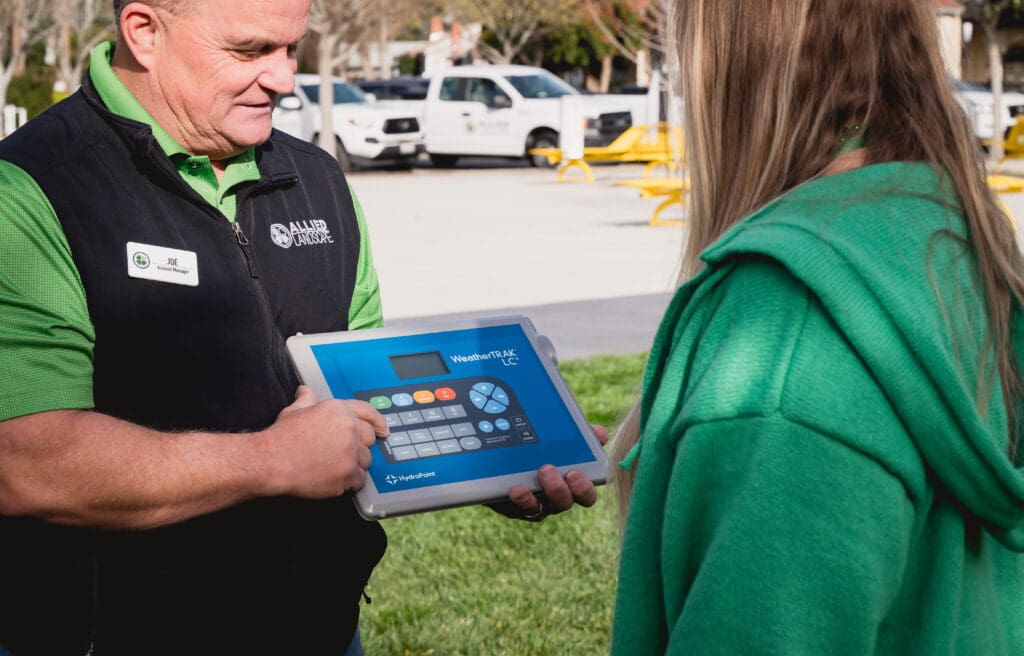
“During a large-scale commercial installation, we faced supply delays on essential plant material,” McIrvin says. “Because of our strong relationship with a nursery vendor, they prioritized our order and even sourced backup material from another region, keeping our project on schedule.”
Justin Stewart, vice president of Colorado for Monarch Landscape Companies, says during a blizzard, when the supply chain wasn’t functioning, they were able to go directly to the source for materials instead of waiting for their vendor’s supply to come through.
Nasim says they have a strong partnership with an irrigation supplier, 2M, and their customer service has been exceptional.
“They routinely will place job materials on a larger project for us, and provide a storage container, set up the inventory, and organize everything to ensure that production is running smoothly,” Nasim says. “This really helps improve the overall project outcome.”
Farris says having strong relationships with vendors gives them another resource in their corner when they encounter challenges.
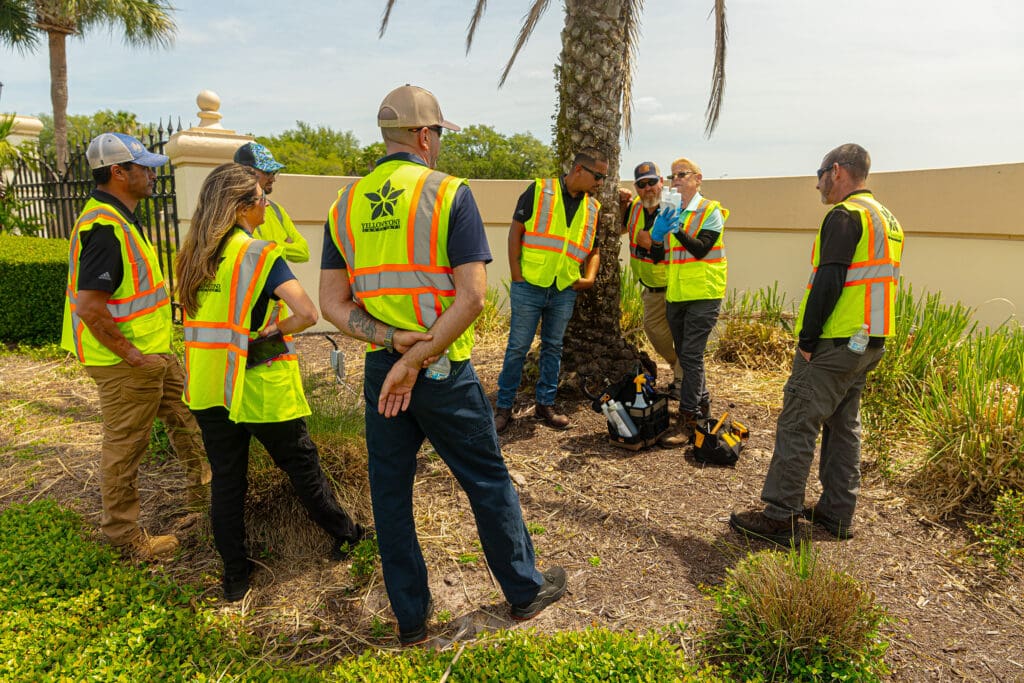
“When issues arise and our trusted partners have our back, they make sure to get us through with troubleshooting, training, and all those things,” Farris says.
McIrvin says they treat their vendors as strategic partners by collaborating on product innovation, pricing strategies, and logistical efficiencies. They also engage their vendors in training programs and leverage suppliers’ expertise to improve their services.
“Whether it’s supplies or services, anytime you’re reliant on someone else in order to meet a deadline or keep a client happy there’s some risk involved,” Barnes says. “But if you have vendors who act as partners to you, it’s a little less stressful because you know they’re going to do everything they can to help you meet your obligation.”
Partnerships in Action
While calling your clients partners is a step in the right direction, your actions truly determine whether you can foster long-term relationships with your customer base.
“A partnership implies a common goal and working together for a shared outcome,” Stewart says. “You approach the work with an understanding of the desired results rather than just delivering on a defined scope. The scope is not always exactly what the client wants, and with a true partnership, you can adjust it to better meet their needs. A transactional approach doesn’t build long-term relationships — partnership does.”
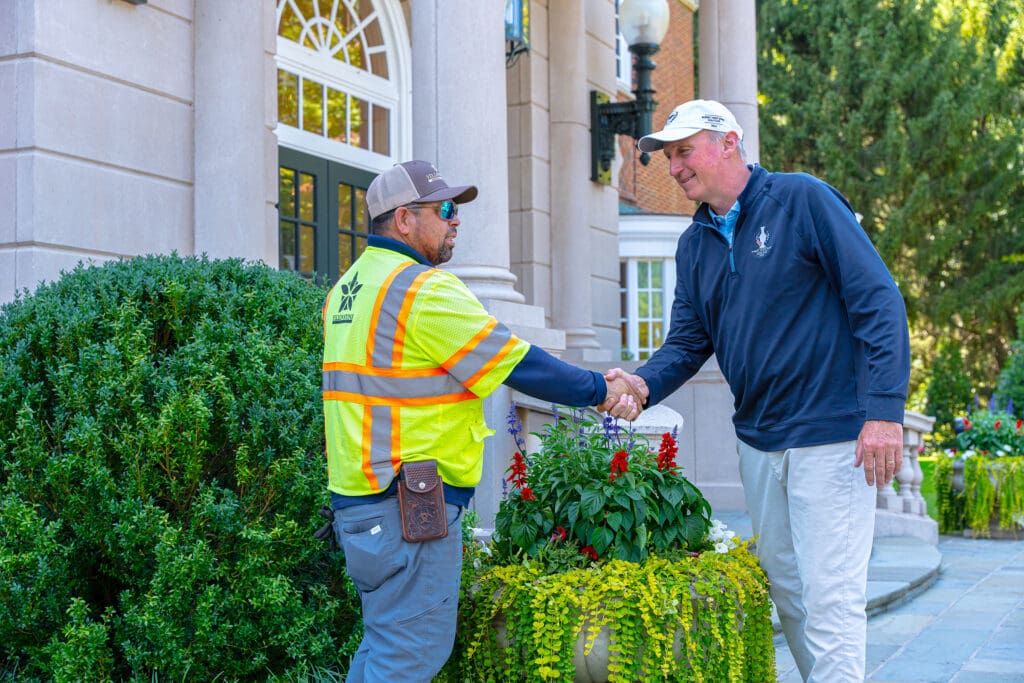
Barnes says for them, it starts with the sales process. They never assume what the client needs in the first meeting.
“We bring a lot of questions and ask them to think about things that maybe they hadn’t considered with previous vendors,” Barnes says. “There is an openness and a transparency that we show them from very early on in the process. Our hope is that this encourages the client to open up and provide us with all the information we need in order to build a service approach that meets both their needs and their financial constraints.”
Seek to understand the client’s priorities, long-term vision and constraints. Then, you can work to provide solutions that offer the best value possible so the client feels you are taking care of their specific needs.
It is also important to set clear expectations at the beginning of the relationship. Farris says they will outline their maintenance plans, response times and quality standards.
“When I interviewed with a lot of clients over the past six years, I would ask them what they’re looking for in their new landscaper that their current vendor is not providing,” Farris says. “The number one thing I hear is communication. I like to look at it as how would I feel if I was in their boots? I want a company that’s going to be responsive to me. I want them to be honest with me. I want them to be clear and precise with me.”
McIrvin says they utilize an onboarding process where within 30 days they provide a professional management plan, outlining maintenance schedules, potential enhancements, and expectations. They also have scheduled site audits and proactive reporting to keep customers informed.
In one instance, McIrvin says a large HOA community they serviced had recurring issues with irrigation inefficiency and plant health. They proactively conducted a comprehensive property assessment, identified water waste and proposed a smart irrigation upgrade. They provided a 30% reduction in water costs and renewed a 3-year maintenance contract.
Strong partnerships with clients can be built with proactive communication, education and mutual accountability. Nasim says that by effectively communicating with their clients, they have a retention rate well above 90%.
Jeff Colton, president of the construction division for Monarch Landscape Companies, stresses the need to have open, honest conversations with clients where you express concerns rather than just tell the client what they want to hear.
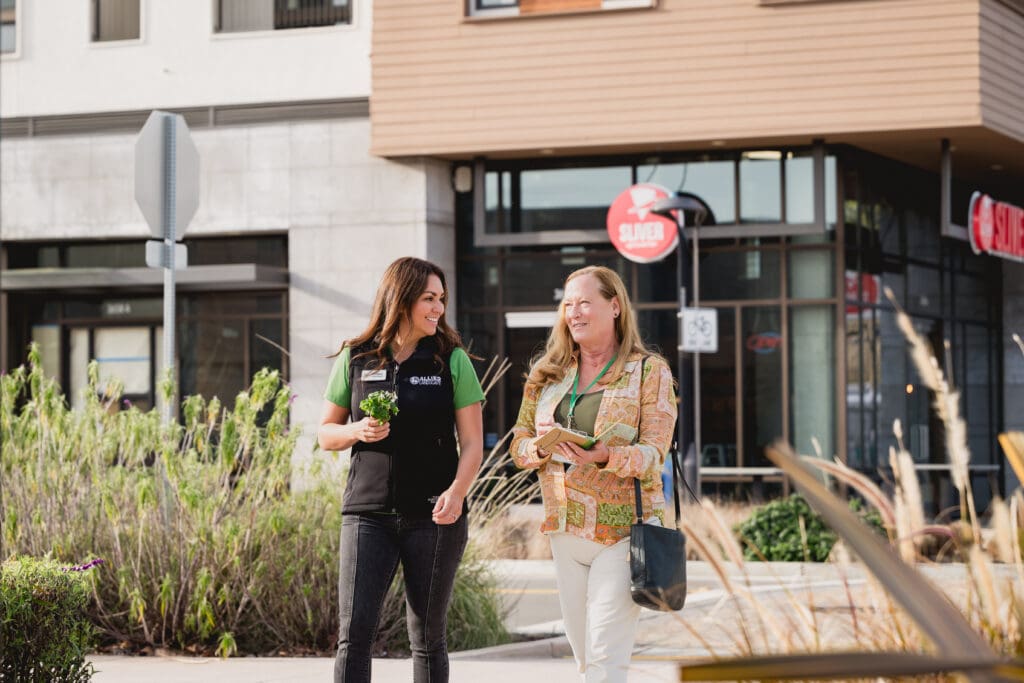
When it comes to developing mutually beneficial vendor relationships, it’s all about give and take, rather than just focusing on the lowest prices.
“There must be value from both parties, appreciation and respect,” Nasim says. “We even go a step further by aligning a potential prospect, whether it’s a customer or vendor, against our core values, and see if they would align with them. This exercise increases the likely odds of us selecting the best long-term partners.”
Barnes agrees they would never choose a vendor who doesn’t align with their culture.
“There’s always someone willing to do it cheaper or faster, but when you find someone who really wants to be a partner for the long-term to your organization, that’s far more valuable than any short-term savings,” Barnes says.
McIrvin says they foster strong vendor relationships by creating stable, long-term agreements, regularly meeting to discuss issues and opportunities, and working together on new solutions.
“We prioritize vendors who share our commitment to sustainability, quality, and customer service,” McIrvin says. “Vendors who support training, offer innovative solutions, and are responsive to our needs are preferred partners.”
Farris says they benefited from leaning on their vendor’s expertise when they first started installing smart irrigation systems.
“By leveraging their expertise, we reduce the water usage by 30% while maintaining lush green landscapes, not drying out landscapes, something that I feel like it would have been much harder to attain without that relationship,” Farris says.
Advice for Others
Viewing clients and vendors as strategic partnerships is one of those mindsets that can be easy preaching, but hard living.
However, Barnes says for those who are looking to grow their business, it’s really the only way to operate.
“In today’s world, when a client has a good experience, they may share that with others,” Barnes says. “But when they have a negative experience, they will definitely share that with anyone who’ll listen. The more positive client experiences and partnerships that we can create, the more successful our company is going to be. If you can find one or two clients that are growing and on the rise, partner with them and their momentum can really carry your business to new heights, too.”
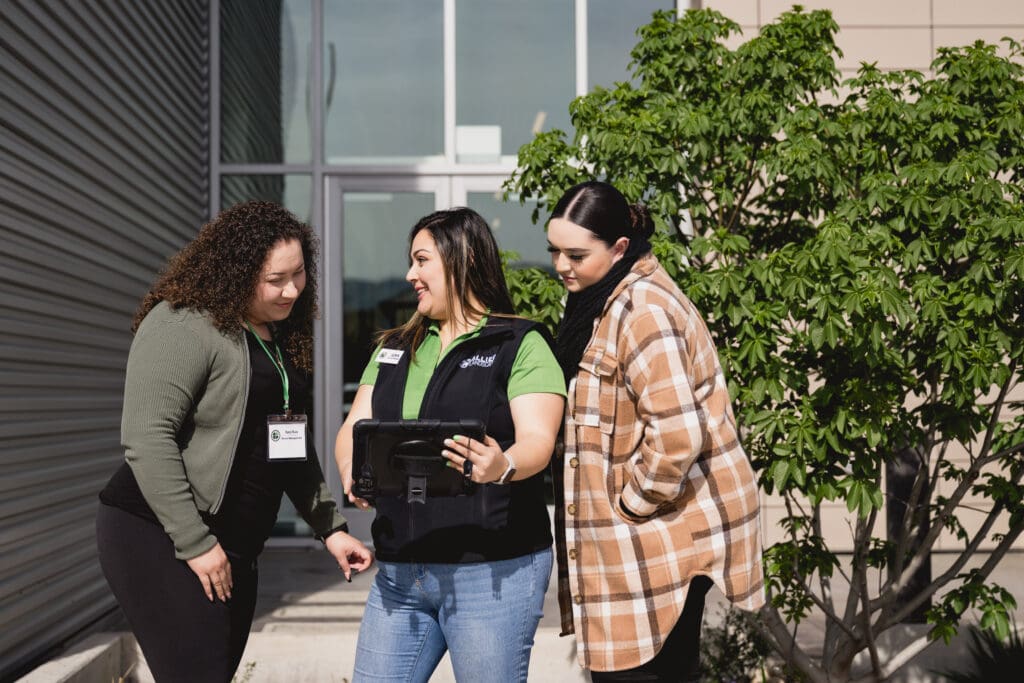
Nasim notes client partnerships should be the standard in the industry as they help elevate the profession and improve retention.
By being proactive, open and honest, you can address issues early on and provide more tailored project outcomes for clients. McIrvin says, as you consistently deliver on promises, you will create trust with your clients.
McIrvin says by fostering partnerships with both customers and vendors, Allied Landscape strengthens its service quality, efficiency, and long-term business sustainability.
Likewise, communicating your needs to your vendors and recognizing the part they play in your overall success can aid in promoting solid partnerships.
Barnes says it all comes back to the golden rule. Treat your vendors the same way you want your clients to treat you.
“Never take your vendors for granted,” Barnes says. “Pricing is important, but it’s not the only thing. A vendor that is a real partner will go out of their way to come through for you, and most of the time, you won’t even realize how many hoops they had to jump through to make it happen. Having these kinds of people in your corner will impact your business in ways that you can’t even imagine.”
This article was published in the May/June issue of the magazine. To read more stories from The Edge magazine, click here to subscribe to the digital edition.
