

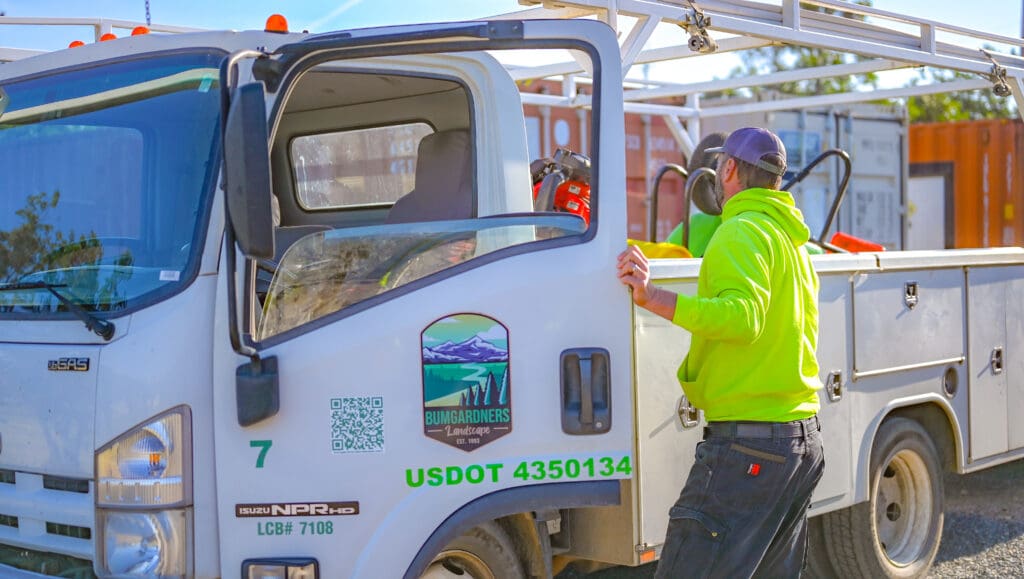
Bumgardners Landscape, based in Medford, Oregon, has been growing steadily since they started in 1993, and they have recently experienced a sudden burst of growth over the past three years.
Bill Bumgardner, owner, president and CEO of Bumgardners Landscape, says this was due to the post-pandemic market shift, as many commercial and HOA clients realized deferred landscape work couldn’t be ignored anymore.
“Businesses and property managers wanted dependable, professional vendors who could handle full-service landscape management, not piecemeal contractors,” Bumgardner says.
The company is positioned as a one-stop partner for maintenance, irrigation, enhancements, and snow/ice. Their clients include shopping centers, banks, professional office buildings, federal and city properties, and HOAs.
Bumgardners has an annual revenue of $3 million, and they are targeting reaching $5 million in the next two years. He says their definition of success is to be acknowledged as the best landscape service provider in the Rogue Valley by their clients, staff, and peers.
Taking the Reins
Bumgardner’s father, Rod, started the business with the goal of providing superior quality and personal service to enhance the beauty, life, and health of his customers’ landscapes.
Bumgardner started working in the landscape industry in 1992, working for a local company for a couple of years before joining his father.
“He truly taught me everything I know,” Bumgardner says. “He introduced me to the trade, was technically sound, and instilled in me the importance of hard work and quality standards. I grew to love the industry because of him, and it became something that brought joy to both of us.”
Bumgardner says it’s been an evolution since taking on the business from his father. He says while it’s been challenging at times, it’s exciting more than anything.
“I got into landscaping to landscape — not necessarily to run a company — but over time I’ve grown into the ownership role,” Bumgardner says.
Keys to Success
Bumgardner credits their growth to their commitment to long-term relationships and partnerships, investment in people and processes, and strategic service expansion and innovations.
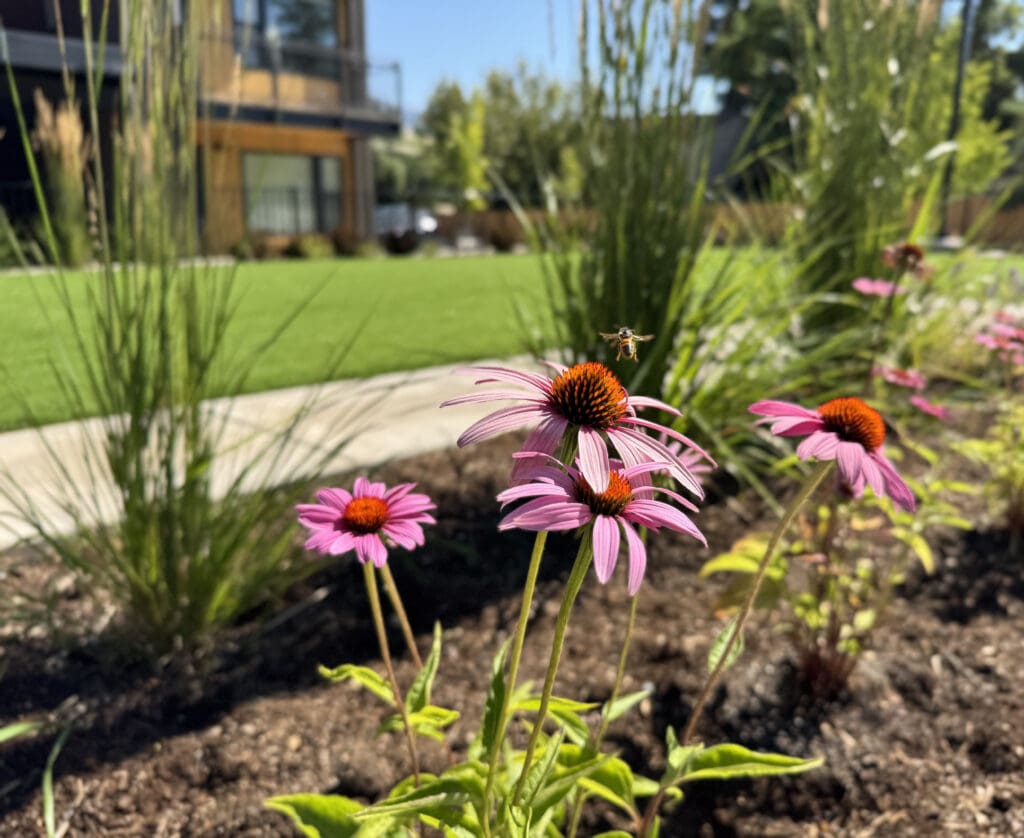
Some of the newer services the company has added include portering services and artificial turf installations in response to customer demand.
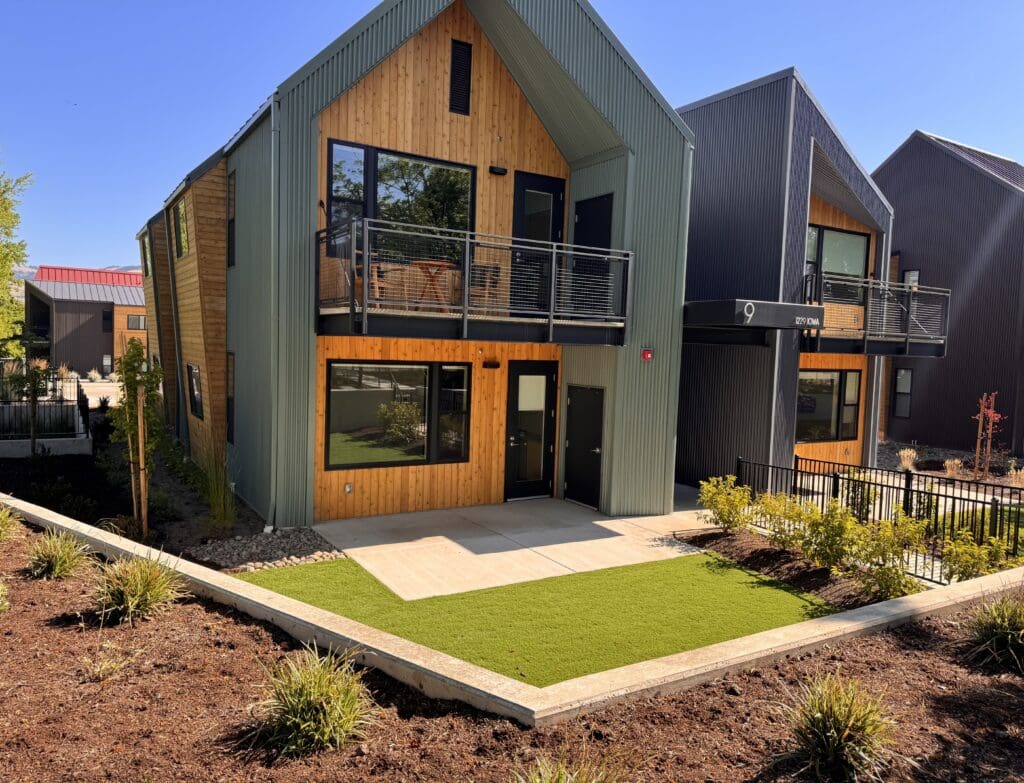
“Artificial turf provides significant water savings, requires less ongoing maintenance, and delivers a green, consistent appearance year-round,” Bumgardner says. “It’s especially beneficial for high-traffic areas, shaded zones where grass struggles to grow, and properties looking to reduce irrigation costs while maintaining curb appeal.”
He adds that if he were starting over from scratch, he’d prioritize building out processes and implementing technology.
“Landscaping is labor-intensive, and labor is the biggest cost driver,” Bumgardner says. “A clear, repeatable process eliminates wasted time, reduces overlap, and ensures crews know exactly what to do and in what order. This means more done in fewer hours without sacrificing quality.”
Bumgardner says that as they’ve grown, scaling their systems and processes has been a particular challenge.
“The systems that worked for us as a smaller company no longer fit as we’ve expanded, requiring new tools and procedures,” Bumgardner says.
He says one of the most important processes they’ve implemented is a nine-step landscape management process for productivity.
“Before formalizing the process, results could vary depending on the crew or supervisor,” Bumgardner says. “The 9-step approach ensures every client gets the same standard of service, whether it’s the first visit of the season or the 50th.”
He adds that having a written process allows supervisors to measure against a standard instead of relying on opinion.
“It makes training easier, inspections objective, and accountability clearer,” Bumgardner says.
Bumgardner says they’ve also implemented many of NALP’s training certificate programs into their processes.
“The magazine and online articles have also been incredibly helpful, shaping how we approach our business and giving us valuable insights over the years,” he says.
Recruiting and Retention
Bumgardners currently has around 30 employees and brings in eight H-2B visa workers. He says they recruit on all the major job boards using Team Engine to help them. They also attend general career fairs and high school job fairs.
“Employees stay at Bumgardners because they see a future here, feel valued, and are supported with the tools and culture they need to thrive,” Bumgardner says. “We position ourselves as an employer of choice in Southern Oregon — a career home where top talent can join, grow, and succeed.”
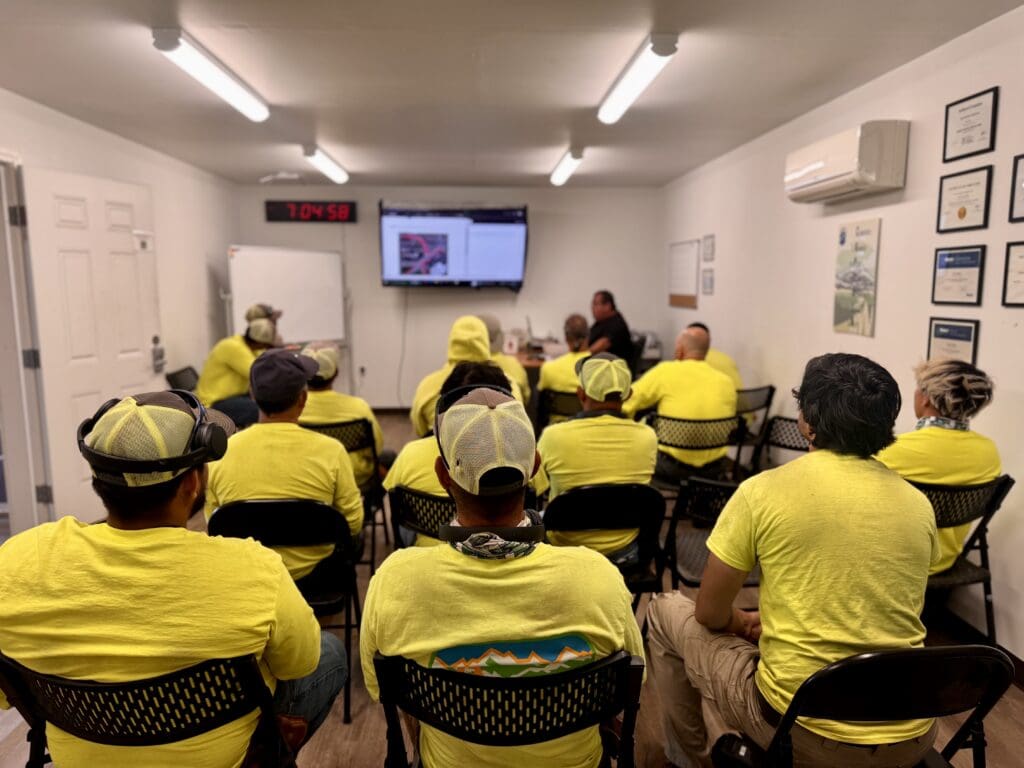
The company has implemented clear career paths, development opportunities, competitive compensation, empowers their team with modern tools and has a supportive culture with recognition programs.
He says they’ve maintained their culture by scaling consistent processes while keeping a people-first focus through leadership, recognition, and clear career growth opportunities.
Bumgardner says he is still developing his own exit strategy for the business.
“My goal is to create a company that can thrive without me, so the talented men and women here continue to have a stable future,” he says. “I have key personnel who have expressed interest in carrying the torch, and it’s my responsibility to carve out that path and make the vision clear for everyone. Personally, I like the idea of ‘retiring in place’ — still being part of seeing great landscapes and watching others lead well.”
