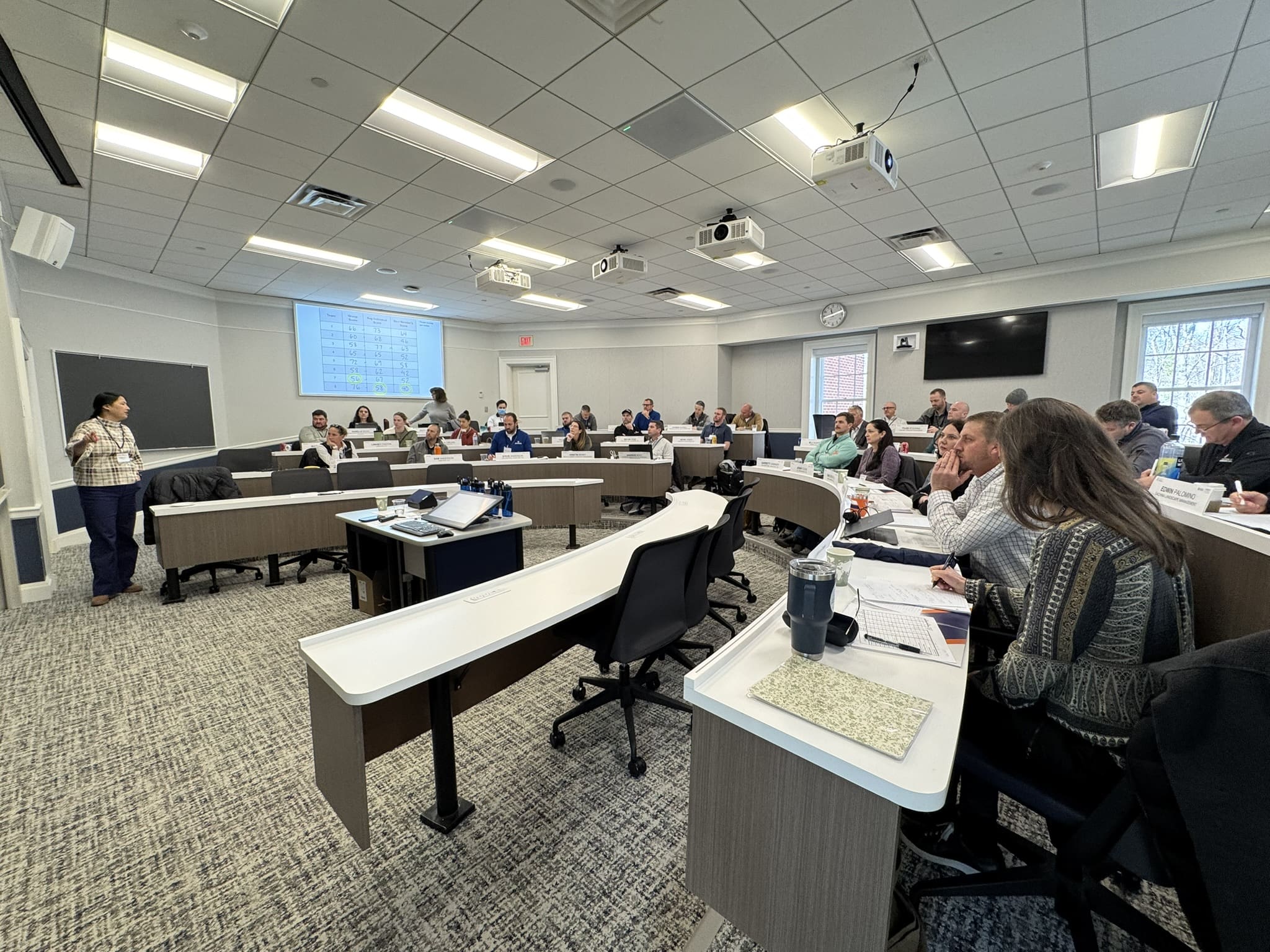
The NALP Executive Leadership Program, in partnership with UVA Darden School of Business, exceeded expectations for attendees of this highly rated and sold-out program, which took place on Jan. 12-15, 2026.
This education program is designed for both veteran leaders and those moving up within your organization. It explores concepts like employee motivation, negotiation, leadership in a historical context and various financial topics.
Eddie Tweedie, branch manager for DLC Resources, based in Phoenix, Arizona, admits he was a little nervous about attending at first.
“The thought of being at Darden School of Business was a little intimidating, but I was wrong,” Tweedie says. “The program, the instructor, and the fellow class members made the experience great.”
Why Attend
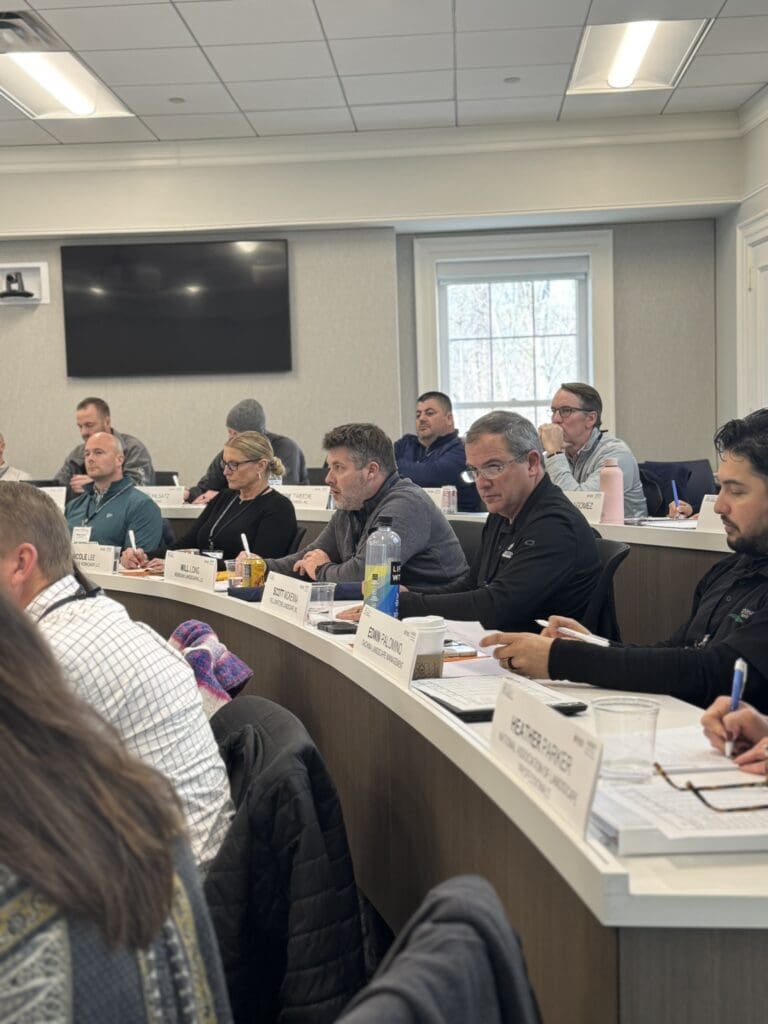
Tweedie says his supervisor was the one who recommended he take advantage of this training opportunity. He says his main motivation for attending was to improve his management skills, continue networking, and pass along the training to his team.
Drew Wilson, interim COO and regional vice president for Ryan Lawn & Tree, based in Merriam, Kansas, says he chose to participate in the program as he was looking for continuing education opportunities.
“While I’ve had tremendous opportunities for skill and experience development in our company, I was really curious about what I was still lacking or could further refine in a business school setting,” Wilson says. “I was also excited for a more intimate setting to network with peers on the same level.”
Wilson recommends the program for entry-level senior leaders who are looking to continue their skills. Tweedie agrees that the education is good for those who are newer to a leadership role within the company.
“I do believe that this program can teach even leaders who have been doing it for some time,” Tweedie says.
Challenging Assumptions
The Executive Leadership Program is a mixture of faculty-led deep dives into case studies and peer-driven discussions. Many of the sessions prompted attendees to think critically via the Socratic method.
Wilson says one aspect that stood out to him was how research-based leadership and business philosophies often oppose popular opinion or narratives that commonly exist as being widely adopted in modern society.
“1. Star players have 0 direct correlation to the success of a team,” Wilson says. “Most are just a byproduct of a system and often can have negative effects on the overall team without leadership intervention. 2. Most leaders are not approachable even though they believe they are. 58% of people trust a stranger over their boss.”

Tweedie says in the session on negotiations, he learned the goal isn’t to always come away from it feeling like you won. Instead, it is an art of seeking out the other party’s incentive for the negotiation. He also found value in hearing everyone’s diverse approaches to different scenarios.
“The class fostered open communication and engaging discussions,” Tweedie says. “I appreciated not being assigned to small groups throughout the entire training program. The instructor and NALP representatives did an excellent job in organizing and facilitating the course.”
Wilson agrees that the diversity of the cohort in a small, intimate setting provided multiple perspectives and plenty of opportunities for networking.
“Diversity of the cohort was well balanced,” Wilson says. “About 1/2 from private equity and the others from sole owners with a few ESOPS sprinkled in. About 2/3 were commercial companies, and the others were high-end residential. This leads to a wide range of challenges, perspectives and information sharing.”
Tweedie adds that recognizing the common challenges they face and learning how others navigate similar situations was truly beneficial.
Enhancing Your Experience
For those planning to attend next year, it’s best to come with an open mind and approach the training without any feelings of self-doubt.
“Don’t overthink it,” Tweedie says. “Do your homework to be prepared, but know that you’re there for a reason, so take it all in.”
Wilson agrees you should take the prep work seriously and be intentional about connecting with everyone there. He notes he wishes he’d done a little research on the other participants to make introductions and conversation a little more meaningful.
“Where I see the bigger potential is in developing relationships with the contacts made,” Wilson says. “Visiting other facilities and sharing best practices is one of the biggest ways to improve your organization.”
Tweedie says one practice he plans to implement is pausing and listening rather than giving someone the answer to the situation.
“Being intentional after the fact to review notes and put things into action,” Wilson says. “It’s so easy to just go back and get caught up in the catch-up and the next thing to be done.”
Don’t miss out! Spots for the Executive Leadership Program are limited and fill up fast. Register today for next year’s event held on Jan. 11-14, 2027.