

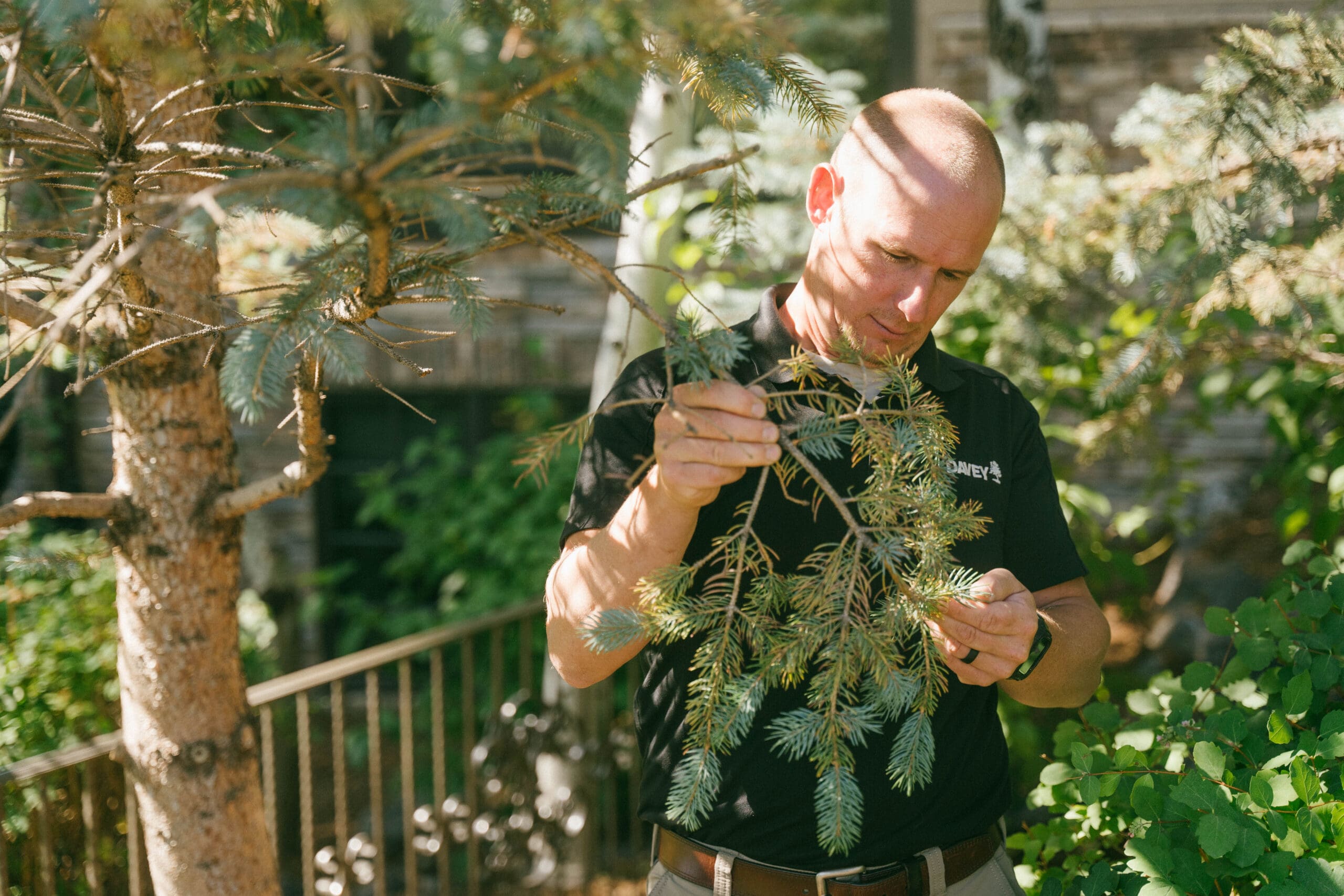
Photo: The Davey Tree Expert Company
ISA Certified Arborist Jay Judd always had a love for working outdoors, but it wasn’t until he was introduced to the mountain pine beetle that he became aware of the field of arboriculture.
Twenty-four years ago, Judd started in the green industry working for Conservation Corps through AmeriCorps in Flagstaff, Arizona. He would build trails and thin forests for wildfire mitigation throughout northern Arizona. It was in this role that he first learned to use a chainsaw.
While working on a project on Mt. Humphreys, north of Flagstaff, he learned about the effects of mountain pine beetles on trees.

“During mid-winter, we took chair lifts up the Arizona Snowbowl resort and sledded down the mountain, attaching pheromone packs to the evergreens,” Judd says. “These packs attracted the mountain pine beetle to specific trees. The following fall, we returned to cut down those trees, delimbed them, and bucked them into 8-foot sections. We then used a specialized tool to scrape the bark off the trees, killing the larvae beneath.”
It was thanks to this project that he learned what an arborist was.
“The project on Mt. Humphreys will always hold a special place in my heart,” Judd says. “Not only was it a pivotal moment in launching my career in arboriculture, but it also opened my eyes to the incredible efforts people make to keep trees healthy and thriving. And, of course, how often do you get the chance to get paid to sled down a ski slope? It was an experience both unforgettable and rewarding in every way.”
After working a number of other outdoor jobs, including white water rafting guide, rock climbing guide, and mountain bike guide, Judd ended up moving to Denver, where he had the opportunity to work for a small residential tree care company.
“This was a wonderful opportunity to combine my enthusiasm for nature with hands-on work,” Judd says. “I even got paid to climb trees!”
A few years later, The Davey Tree Expert Company hired Judd, and he began to see the full potential of a career in the tree care industry.
“Motivated by this realization, I set out to earn my ISA certification,” Judd says. “The journey took years. Not only working in the field pruning and trimming, but also dedicating countless hours to mastering every aspect of tree care, from biology and soil science to pest and disease management. For the first time in my life, I had a clear career path.”
A Day in the Life
Fifteen years later, Judd is now the district manager of the East Denver office with Davey Tree. Working in the residential tree care sector, Judd meets regularly with clients in the urban forest, educating them on tree health as well as insect and disease prevention.
“Due to the poor condition of many trees, insect preventative and reactive treatments are necessary for most species,” Judd says. “Diseases like fire blight and cankers are also very common. I diagnose insects and diseases and educate clients (including local friends and family) on the importance of prevention and soil health.”
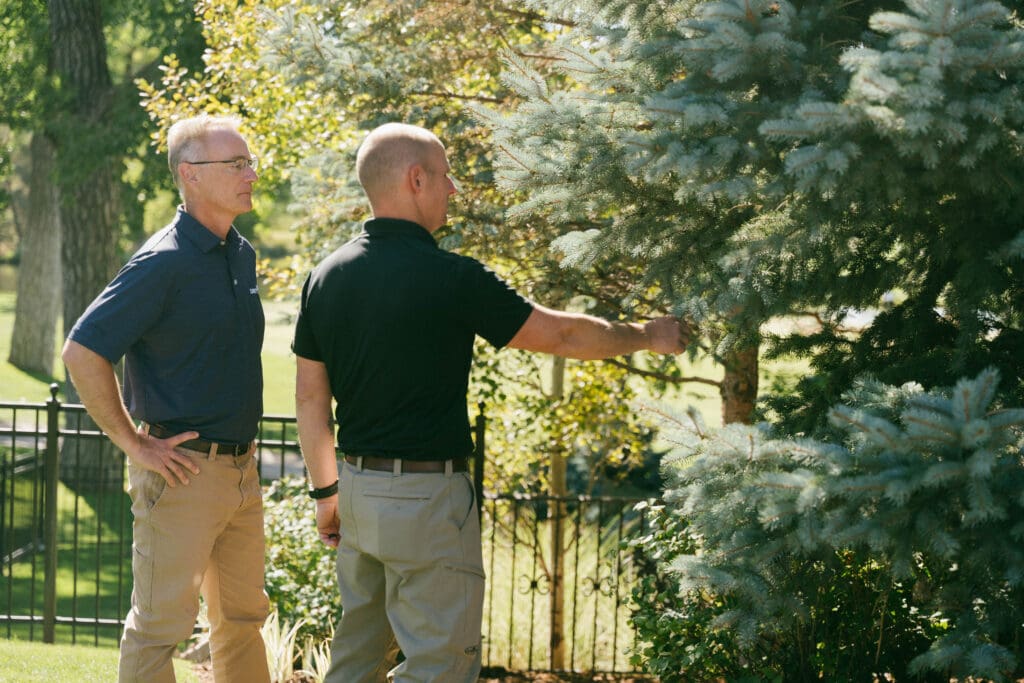
Many of the trees in the Denver area are not native to the region, making them less adapted to the climate. Judd says they conduct tree trimming to mitigate storm damage, as heavy, wet snow in late spring or early fall can damage drought-stricken trees. Also, soil health is critical to keep these trees thriving. Ironically, his favorite tree happens to be one of the species not native to Denver.
“I love the Redbud,” Judd says. “Its purple flowers stand out in early spring, when many trees have not yet developed their leaves. In smaller landscapes, it is a great option as a multi-stem tree that displays large green leaves throughout the growing season. Additionally, it rarely suffers damage from early spring or late snowfalls since it is typically not in leaf during these events.”
He says his favorite part about being an arborist is getting to go home feeling like he made a difference for his clients and the entire community.
“Essentially, I am in sales, but I feel good about what I am selling,” Judd says. “I am offering a healthier canopy for a client’s property. Trees are important to every aspect of our lives, from carbon sequestration and watershed management — including erosion control — to cooling and mental health benefits.”
He says the most challenging aspect of being an arborist is the fact not everyone has the financial means to care for their trees properly.
“For example, I emphasize the importance of injecting ash trees with a preventative treatment for Emerald Ash Borer, a destructive pest that has been present in the Front Range for over a decade,” Judd says. “Unfortunately, some people either don’t fully recognize the threat and therefore don’t budget for preventative measures, while more commonly, they simply don’t have the income to take action. This is frustrating because I understand what needs to be done to help a tree recover and thrive, but I can’t always make it happen.”
Why Arboriculture Matters
Arboriculture is essential because, without care, trees couldn’t survive in places like Denver. Judd says that the urban forest is the heart of any community.
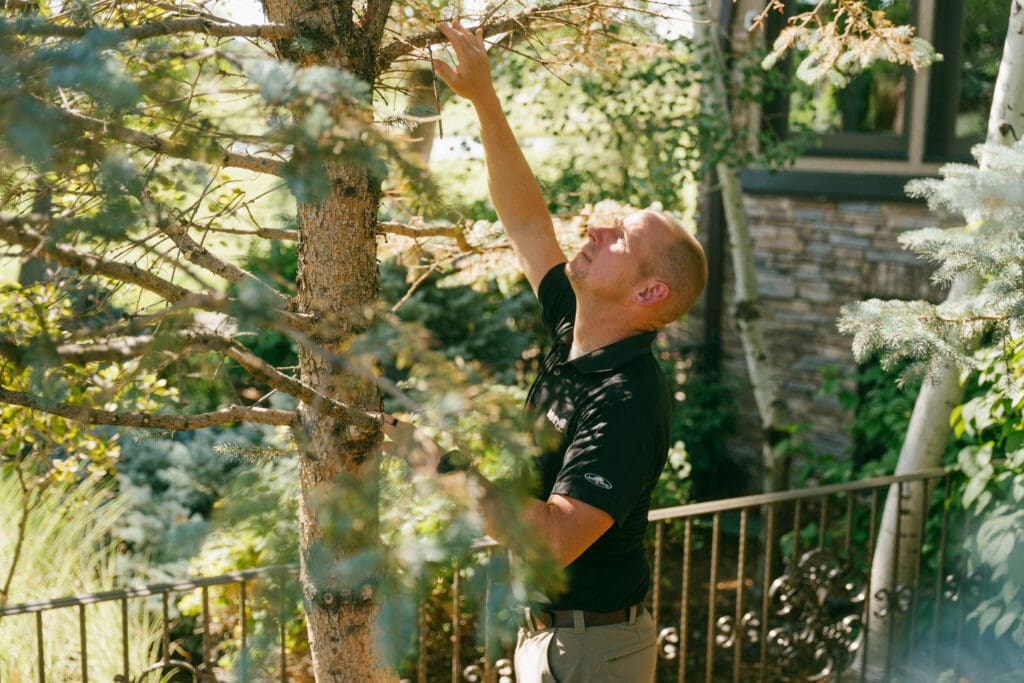
“Trees are vital to every aspect of our lives — from carbon sequestration and watershed management, to providing cooling effects and enhancing mental well-being,” Judd says. “Investing in the care of your trees is essential. By budgeting annually for their maintenance, you ensure they remain healthy and continue to provide these invaluable benefits.”
Judd says for anyone who loves spending time outdoors, becoming an arborist is an exceptional career.
“As an arborist, there are numerous pathways to explore, each offering unique opportunities for growth and specialization,” Judd says. “The work is both rewarding and enjoyable, blending hands-on challenges with meaningful impact. A company like Davey Tree provides an excellent foundation to start your journey in arboriculture and build a fulfilling, sustainable career in the field.”
Celebrating Arbor Day
While Arbor Day serves as a time for the public to celebrate planting, caring for and preserving trees, Judd says he gets to celebrate Arbor Day every day by educating the public on the importance of pruning, watering, planting trees, and protecting them from insects and diseases.
“On Arbor Day itself, I’ve participated in tree-planting events and shared creative tree-themed art activities with my little girls,” Judd says. “I hope that through my work, I’m helping to create a better, greener world for their future.”
