

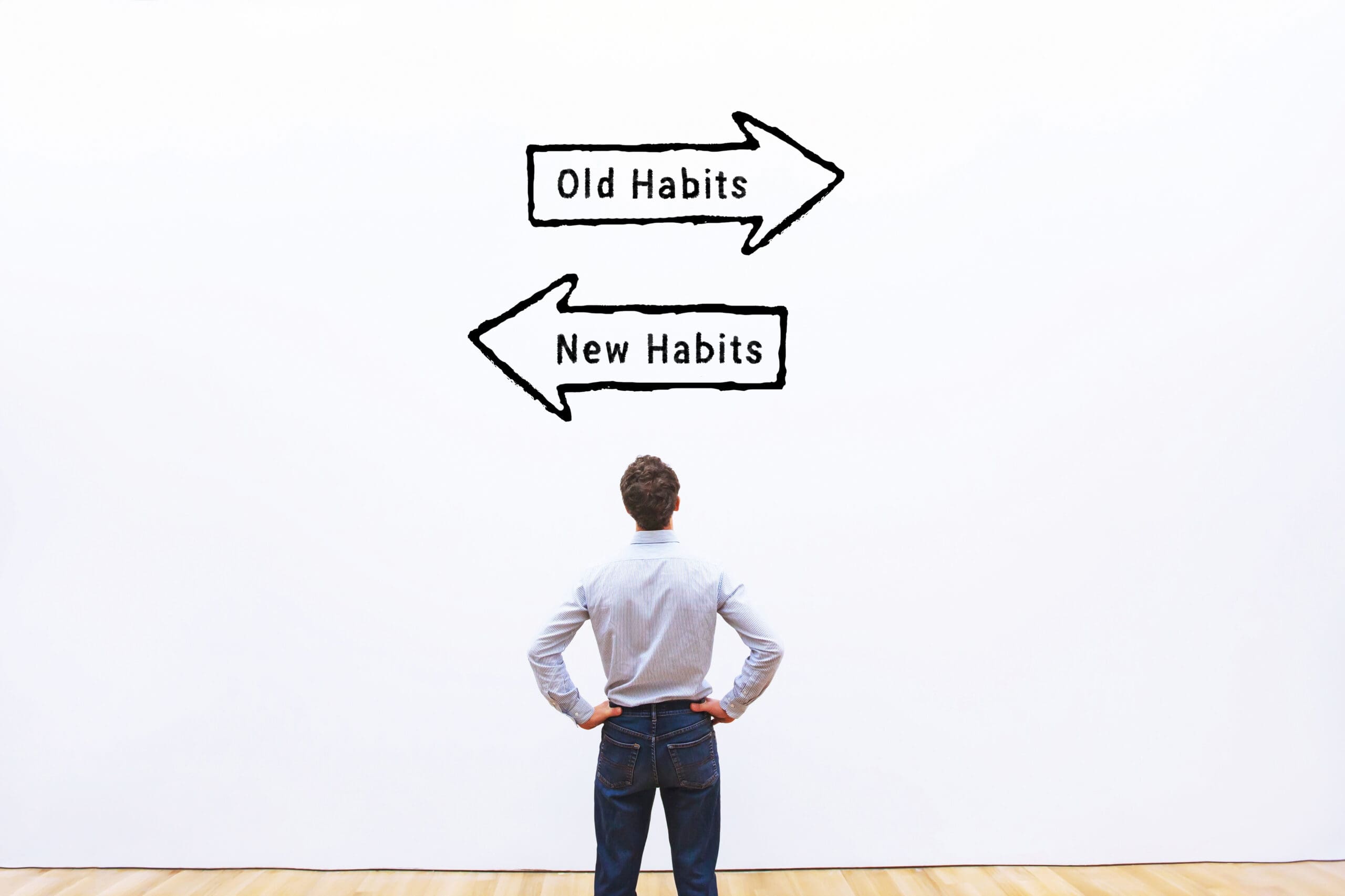
As a leader, establishing effective routines can play a major role in your overall excellence as an organization.
It takes discipline to both develop good habits and eliminate those that no longer serve you. Below are some of the habits that have positively impacted leaders in the landscape industry as well as practices they decided to move on from.
Routines Rooted in Success
Robyn Schmitz, owner/CEO of High Prairie Outdoors, based in Mission, Kansas, says one of the practices that helps her lead more effectively is prioritizing the beginning and end of her days.
“In the morning, I focus on core objectives, set the tone for the day, and create space to support my team,” Schmitz says. “This ensures clarity and alignment from the start. In the evening, I close out the day by finalizing tasks, reflecting on key takeaways, and setting priorities for the next day. This structure keeps me proactive rather than reactive, allowing me to lead with intention.”
David Koehn, regional director of the Southeast for Bland Landscaping Company, sets himself up for success in the morning by spending at least 30 minutes to himself, working out, walking and reflecting on what he’s grateful for. He says taking time to be grateful helps him be more productive.
“Just reflect on all of the good things that you have going on,” Koehn says. “There are so many negative things that are thrown at you all day, like this team member’s leaving or this equipment is down or these payables are due. Due to all of the stressors, it’s really easy to lose focus on all the positive things that are going on in your world, personally and in your business. Spending that time in the morning to really just be grateful for all the things that are going well before you even step foot into your work environment positions your mind and your perspective to take a positive approach to the day.”
Joshua Malik, CEO of Joshua Tree Experts, based in Stockertown, Pennsylvania, also sets aside 30 minutes in the morning for personal focus before he sits in front of his computer.
“I use this time to read the news, listen to a podcast, or read a book, something non-work-related that keeps my mind sharp and balanced,” Malik says. “Once I start my workday, I dedicate the first 30 minutes to strategic focus, reviewing key business metrics, team updates, and priorities. This ensures I’m leading proactively rather than reacting to issues as they arise midway through the day.”
Malik says he also takes a clarity break to step away, reset and refocus, which helps him maintain perspective and energy for the rest of the day.
“This routine keeps me focused, prepared, and aligned with our long-term vision, allowing me to provide clear direction and create an environment where my team can thrive,” Malik says. “Effective leadership isn’t about reacting, it’s about anticipating, strategizing, and supporting.”
Brandon Sheppard, a Weed Man franchisor in the Mid-Atlantic, says one of his greatest tools has been understanding how his brain manages tasks and goals. He says David Allen’s ‘Getting Things Done’ framework highlighted how our brains don’t draw distinctions between work obligations and personal tasks.
“It’s all ‘work’ to our brain….especially at 3 a.m.,” Sheppard says. “To our brains, they’re all things that need to get done. What does that mean? Well, I’m not going to lie, there have been more than a few times I’ve hopped on the mower and cut the lawn for an hour to ‘take a break.’”
Sheppard acknowledges this is not a conventional idea of a break, but it gives him both the interruption from his work task and the satisfaction of checking something off his to-do list.
Practices to Prune
Malik says one practice he learned was not helping was holding onto too much control.
“I believed that being deeply involved in every decision ensured success,” Malik says. “I thought if I wasn’t overseeing every detail, something would slip through the cracks. But over time, I realized this approach wasn’t just inefficient, it was stifling growth.”
Malik stresses that great businesses aren’t built on a single person’s efforts. They thrive when strong teams are empowered in their roles.
“Once I shifted from control to trust, everything changed,” Malik says. “I focused on hiring the right people, setting clear expectations, and giving them the autonomy to execute. The result is a business that can scale far beyond my personal capacity. This has allowed me to focus on vision, strategy, and leadership, the areas where I can make the biggest impact.”
Sheppard agrees that as an executive leader, your primary obligation is to ensure that your team has the resources, direction and support necessary to achieve their goals.
“As your organization grows, your ability as an individual to impact or produce a tangible work product that ‘moves the needle’ decreases,” Sheppard says. “Your impact is best realized by keeping an eye over the horizon for opportunities and threats and ensuring that your people are led and resourced in a way that they can best reach their potential.”
Sheppard says that in his organization, he realized how their meetings weren’t serving and supporting the team’s needs. They changed the structure from ‘reporting out’ and evolved into a platform for brainstorming, collaborating and seeking support.
Koehn says unproductive meetings were also a problem for them in the past.
“I think that you can get in a room with 10 or 12 people, and you can talk about things, and then it ends up just becoming a bash session,” Koehn says. “It just kind of goes off the rails, and people start having side conversations, and then it just really doesn’t lead to a lot of actual progress.”
Koehn says developing firm agendas to stick to, as well as moving their Friday 4:30 p.m. meeting to the following Monday at 8 a.m., proved to be a better time to discuss recaps and deliverables. He also notes it’s much more productive when they bring up challenges in a one-on-one meeting, rather than a group setting.
“I think it’s dangerous to air out a bunch of dirty laundry in a room of people, and it may not be even affecting their department,” Kohen says. “It’s just spreading like a cancer or a virus. One person’s complaint about equipment or trucks or whatever is going to trickle down into someone else thinking, ‘Are they hearing our needs?’”
Schmitz says one behavior she found unproductive was ruminating on problems or challenges.
“I’ve learned that replacing rumination with reframing and action is a game-changer,” Schmitz says.
“Instead of dwelling on setbacks, I look for the opportunity or lesson in the situation, then take constructive steps forward. This shift in mindset leads to better problem-solving and a more positive outlook.”
Want to take your leadership skills to the next level? Secure your spot at the NALP Executive Leadership Program.
Key Takeaways
- Morning routines set the tone for effective leadership. Successful leaders use their early hours for personal reflection, gratitude, and strategic planning, allowing them to lead with clarity and intention.
- Letting go of control empowers team growth. Trusting capable employees and shifting from micromanagement to delegation allows businesses to scale and leaders to focus on vision and strategy.
- Unproductive meetings hinder progress. Improve communication by restructuring meetings to prioritize support, collaboration, and one-on-one conversations over group complaints.
