


When landscape company owners begin considering their exit strategy, it often comes down to a choice between passing the business on to family members/key employees or selling to private equity. But what if there was a third door?
This was the option Mainscape’s founder, Dave Mazanowski, ultimately ended up taking.
The company has recently begun a phased transition into the Mainscape Jubilee Trust, a perpetual purpose trust created to protect the company’s purpose, invest in their people, and ensure shared prosperity for generations to come. Eventually, the MJT will become the permanent steward of the entire company.
“The perpetual purpose trust is basically a variation of a family trust, even though it just has a different purpose beneficiary, which is the employees,” Mazanowski says. “It’s a relatively new concept, but we’ve been looking at succession planning for over 20 years, and so we have lots of iterations to get to this point, but we’re really comfortable with this one. This accomplishes our vision and mission and what we’re trying to do better than any other model that we’ve been able to discover.”
Why A Perpetual Purpose Trust
Founded in 1981 as a campus ministry project, Fishers, Indiana-based Mainscape has evolved into a commercial landscape maintenance company with 950 employees spread across 11 states.
The company’s purpose is to ‘create a company that people think of as their own so they can control their destiny, have a great family life, and make a positive impact in their community.’
“We believe people are created in the image of God,” says Mark Forsythe, CEO of Mainscape. “They have gifts and talents that we want to help grow and develop, and we want to take care of people, particularly in our industry.”
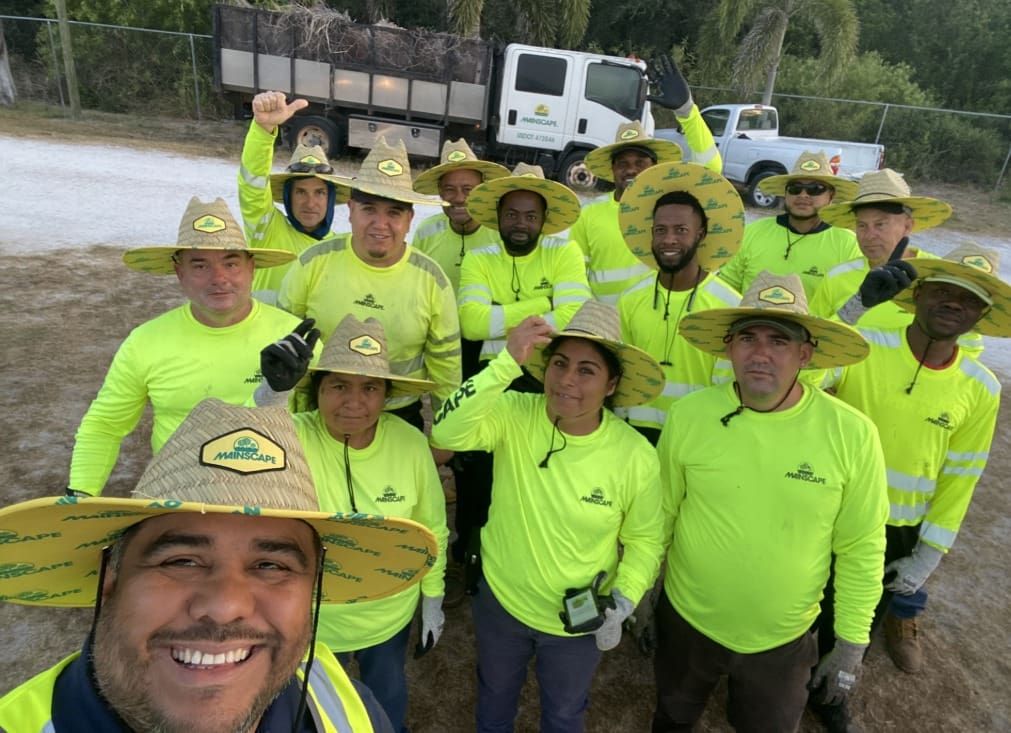
Mazanowski recognized that traditional exit strategies could not guarantee the purpose and culture he cultivated would survive beyond his leadership, which prompted him to seek another path.
“A traditional sale, whether to private equity, a strategic buyer, or even a conventional management succession plan, carries inherent risks: a shift in priorities toward short‑term financial results, loss of the company’s faith-driven identity, changes in leadership philosophy, and disruption of employee relationships,” Forsythe says. “After evaluating all of those options over the last 18 years, Mazanowski wanted an option that would prevent those outcomes.”
The company explored multiple succession options before arriving at the purpose trust route. They even engaged deeply in the ESOP process twice before turning back both times. Forsythe explains because ESOPs mainly serve as a retirement program, it did not accomplish the goals of their organization.
“The reality of it is the money that gets put in there you can’t get access to until you’re 59 and a half years old,” Forsythe says. “It’s kind of difficult for people to grasp, ‘Hey, I have this.’ We do the profit sharing at the end of the year, we pay that out, and they can choose to keep that and use that for something that they need right now, or they may look at it and say, ‘Hey, I want to put that away for retirement.’”
Forsythe adds that because ESOPs are responsible for maximizing shareholder value, this requires them to evaluate attractive sale offers.
“In today’s world, if you can build a company that its beneficiaries on a daily basis are the employees, and it’s not an ESOP, your retention is going to be high with your people and customers. It’s not exactly as glamorous a model, but I think it’ll be better in the long haul for everybody.”
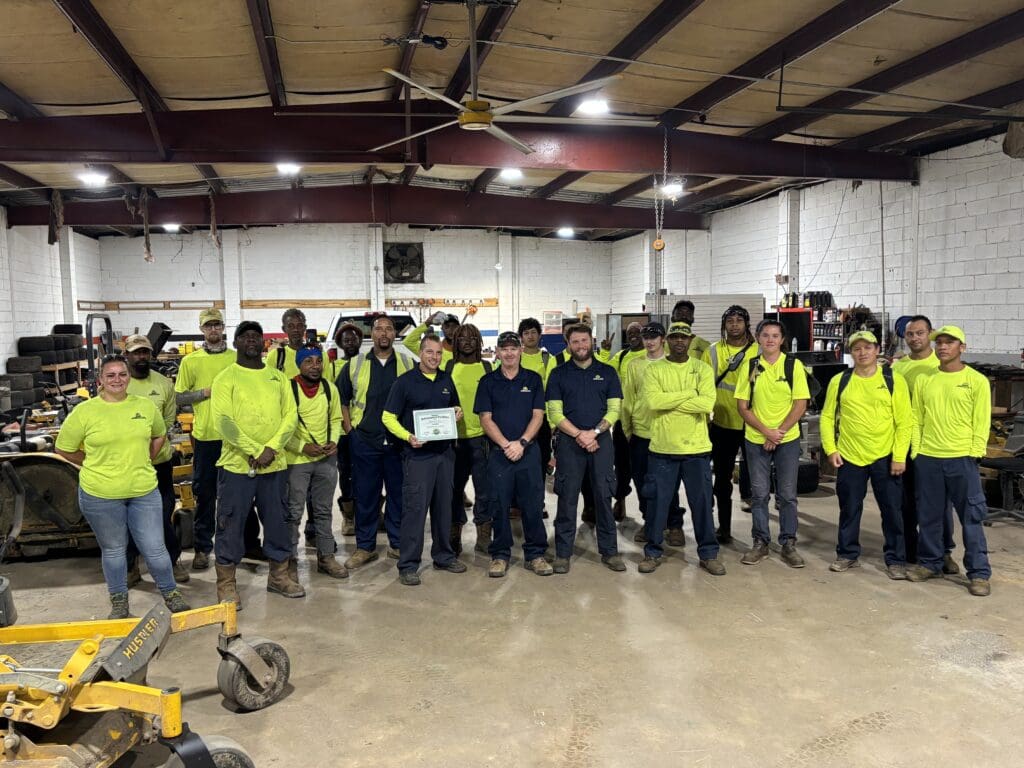
Mazanowski first heard of perpetual purpose trusts from pioneers like Organically Grown Company and Zingerman’s. Patagonia is another example that has brought more attention to this succession model.
“Their work demonstrated that a company can be sold into a mission‑anchored trust and continue operating with clarity of purpose, commitment to its people, and long-term independence,” Forsythe says. “These examples aligned closely with David Mazanowski’s belief that Mainscape’s purpose should remain stable and enduring, and that the company’s next chapter should be guided by the same values that shaped its first generation.”
Part of Mazanowski’s motivation to pursue a perpetual purpose trust aligns with the ideas of G.K. Chesterton and distributism. This concept champions the practice of broadening economic participation with those who create value, versus only rewarding a select few.
“We have a lot of people who are coming to us looking for just a job to provide for their family,” Mazanowski says. “They don’t have any hopes or dreams of moving up the ladder or doing better than just an hourly wage. I think this model allows people to think differently. I’ve always said we will be measured by how well we treat our entry-level people.”
Implementation Roadmap
Mainscape anticipates this transition will be completed over the next three to eight years.
“Like other transactions, figuring out the most effective way to financially make this work requires a solid plan up front,” Forsythe says. “We transitioned a minority share to gain more experience and confirm that governance, finance and taxes were going to work as we had planned.”
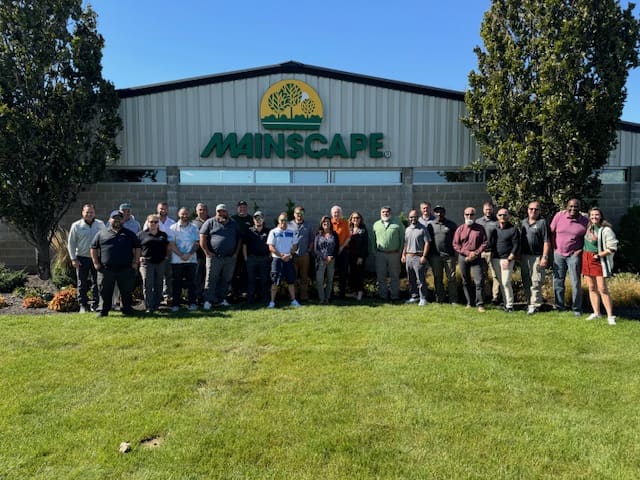
Forsythe says they will work to build out the processes and structure necessary to guide the trust over the coming years.
Mazanowski will be paid for his shares via a seller note from the trust and he is opting to gift the rest of the company.
“We could have gone out and financed it, but he plans to stay involved for as long as possible and was comfortable with seller financing and gifting,” Forsythe says.
Mazanowski says if he took the full value of the company out, it would negatively impact the business’s cash flow.
“So, what I said was, ‘Okay, how do we structure this to continue to live out our vision, mission, core values, and not jeopardize the financial wherewithal to do the things we’re doing for our employees now?’” Mazanowski says.
Mazanowski acknowledges that Mainscape is a perfect platform company to sell to private equity, and he is leaving a lot on the table by not selling. He says this choice is him putting his faith in action.
“This is my way of testing whether I believe any of that is true,” Mazanowski says. “Am I going to really make a decision that reflects my beliefs?
Mazanowski adds that throughout this process, he has received confirmation from others that this is the right choice for their organization, including from his executive team, who did not want to sell.
“It’s like an adventure,” Mazanowski says. “This is really going be fun. I don’t view this as a sacrifice. We’re just getting started, and we’re super excited about the future.”
