

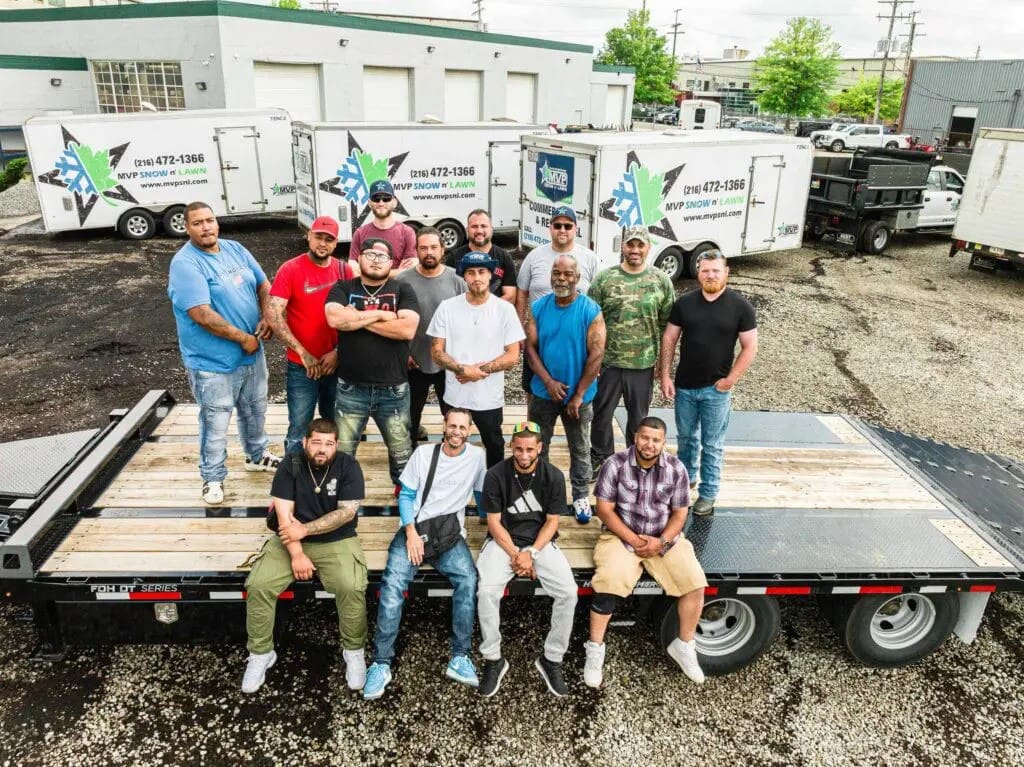
It’s hard to recruit experienced talent, which is why many companies are opting to train younger employees and build them up within their organization.
Not only does hiring younger generations help with succession planning for key roles, but they can also provide a fresh perspective.
“Younger people, if they’re willing to work and learn, they’re great assets of the company,” says Tyler Lombardo, vice president of MVP Snow n’ Lawn, based in Cleveland, Ohio.
What Matters to Younger Employees
If you want to attract and retain younger generations, you need to understand what matters to them.
Lucy Rakocy, general manager with Piscataqua Landscaping & Tree Service, based in Eliot, Maine, says typically, younger employees are looking for clarity around their career path and compensation.

“They want that feedback of knowing where they’re at, what they need to be doing more of to earn more or to get more responsibility, and they advocate for themselves,” Rakocy says.
Rakocy says that sometimes the younger generations advocate for their financial growth in ways their more experienced crew members have not. If it’s a situation where the employee has not earned a raise yet, she says they try to understand where that team member is coming from.
“We try to remind people that if you are happy where you’re working and there is a path to growth, don’t necessarily throw that away so quickly and go shopping for an additional 50 cents,” Rakocy says. “It’s hard to think about the long game, and so we try to remind people about what they value and what benefits they are getting with this wage and then support them and try to get a higher wage without compromising on our own standards and making the playing field uneven.”
She says they provide auxiliary educational opportunities for their employees.
“We bring in speakers to teach them everything from financial literacy to the environmental impacts of salt,” Rakocy says. “Just to engage them to see their day-to-day is an actual career in horticulture, as opposed to, ‘Hey, I do this one task every day’ and not see a future there.”
Rakocy says they’ve generated a lot of excitement within the company by painting a larger picture for their employees.
Lombardo says they’ve developed their core values with their team members, so they resonate with younger employees.
“We didn’t just make them letters on the wall or words on the wall,” Lombardo says. “We created characters behind each core value, and those characters are in a superhero form.”
Fostering Inclusivity
Lombardo says they push teamwork from the very beginning and make sure their new hires check the boxes of their core values.
“There’s nothing that a supervisor won’t do that the guy on his first day won’t do,” Lombardo says. “I think when new people come in and they’re not being bossed around and told something to do that’s beneath what a supervisor would do, I would say that makes everybody inclusive in the operation.”
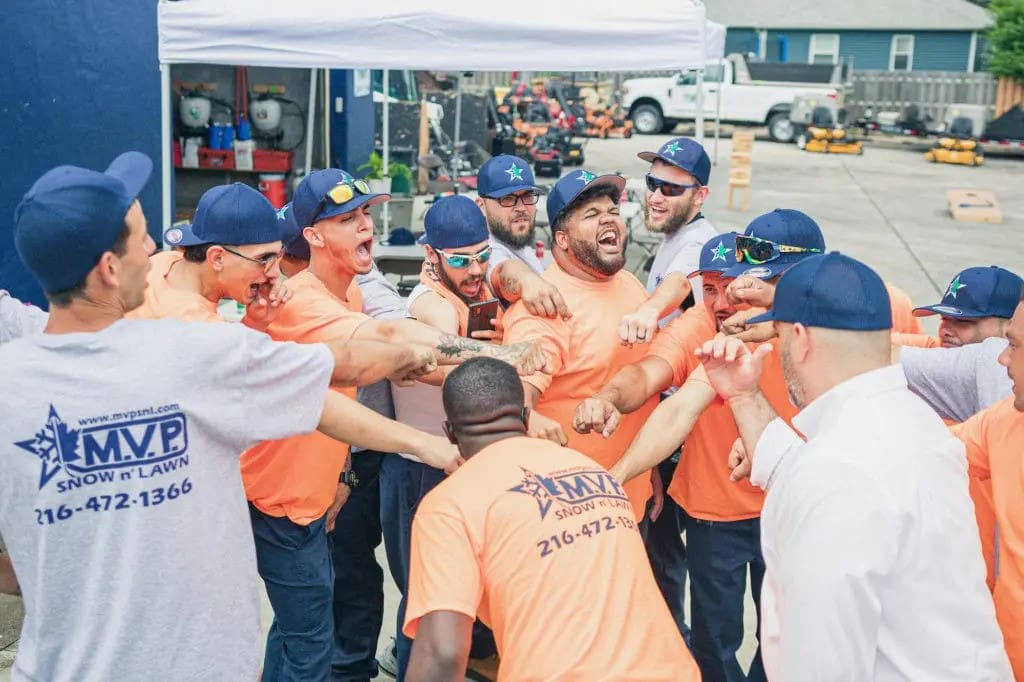
He says they also bring in a culture coach who goes through some roleplaying that chips away some of the ice a new hire might have. Additionally, they’ll host two other events where they’ll have a business meeting followed by an activity like ax throwing or renting limos to visit their accounts.
“Any type of opportunity we have to get everybody together outside of a truck and outside of a work day, it always just brings them closer together,” Lombardo says. “We’ve seen great success with them.”
Rakocy says they will often pair their younger employees with someone more experienced who they see as a role model and can learn from. She says having someone you look up to and feel comfortable asking questions of is crucial for bridging the generation gap.
“I think mentorship can come from who you work with out in the field, but also from our leadership team, whether it’s myself or our operations managers,” Rakocy says. “We really try to get to know our crews, find out what they like, what interests them outside of work, and we make time to advance them in other ways.”
Lombardo says they don’t have a formalized mentorship program, but their veteran employees are naturally passing their knowledge down to younger employees.
Overcoming Generational Stereotypes
The main assumption against younger generations is that they simply ‘don’t work hard’ or lack the same hustle and stamina as previous generations.
“I don’t think anyone appreciates being labeled before having the opportunity to prove themselves,” Rakocy says. “Ultimately, what I try to stick to is being consistent. The people that we hire here, no matter what age, are willing to show up and try hard. If we continue to hire those types of personalities, then their mindset shifts to, ‘They’re solid team members who just need more experience.’ It’s definitely been something that we’ve been trying to train against because I don’t think anybody likes to be pigeonholed.”

Lombardo agrees that it doesn’t matter what age someone is when they’re interviewing candidates; they’re looking for people who have a good attitude and are willing to learn.
“Everyone at one time was inexperienced,” Lombardo says. “We’re willing to teach if you’re willing to learn and work.”
Lombardo notes this is a tough industry and they welcome anyone willing to fill out an application.
“Once you get old, the young people always are different or challenging,” Lombardo says. “Once you start getting like that, just assume you’re that old guy. Maybe check yourself and not be the old guy. What keeps you young is hanging around young people. Some of the jokes and communication that goes on here, it keeps me laughing; it keeps us smiling. We’re happy to have them on board.”
Rakocy encourages getting to know your employees and being empathetic.
“Just because you did something one way in the past doesn’t mean it’s the right way to do it in the future,” Rakocy says. “You don’t always have to reinvent the wheel, but if there are signals that you should, do it. But do it after you know the person that you’re building your solution for, and don’t use preconceived notions. Actually take the time to understand who you’re building the solution for.”
