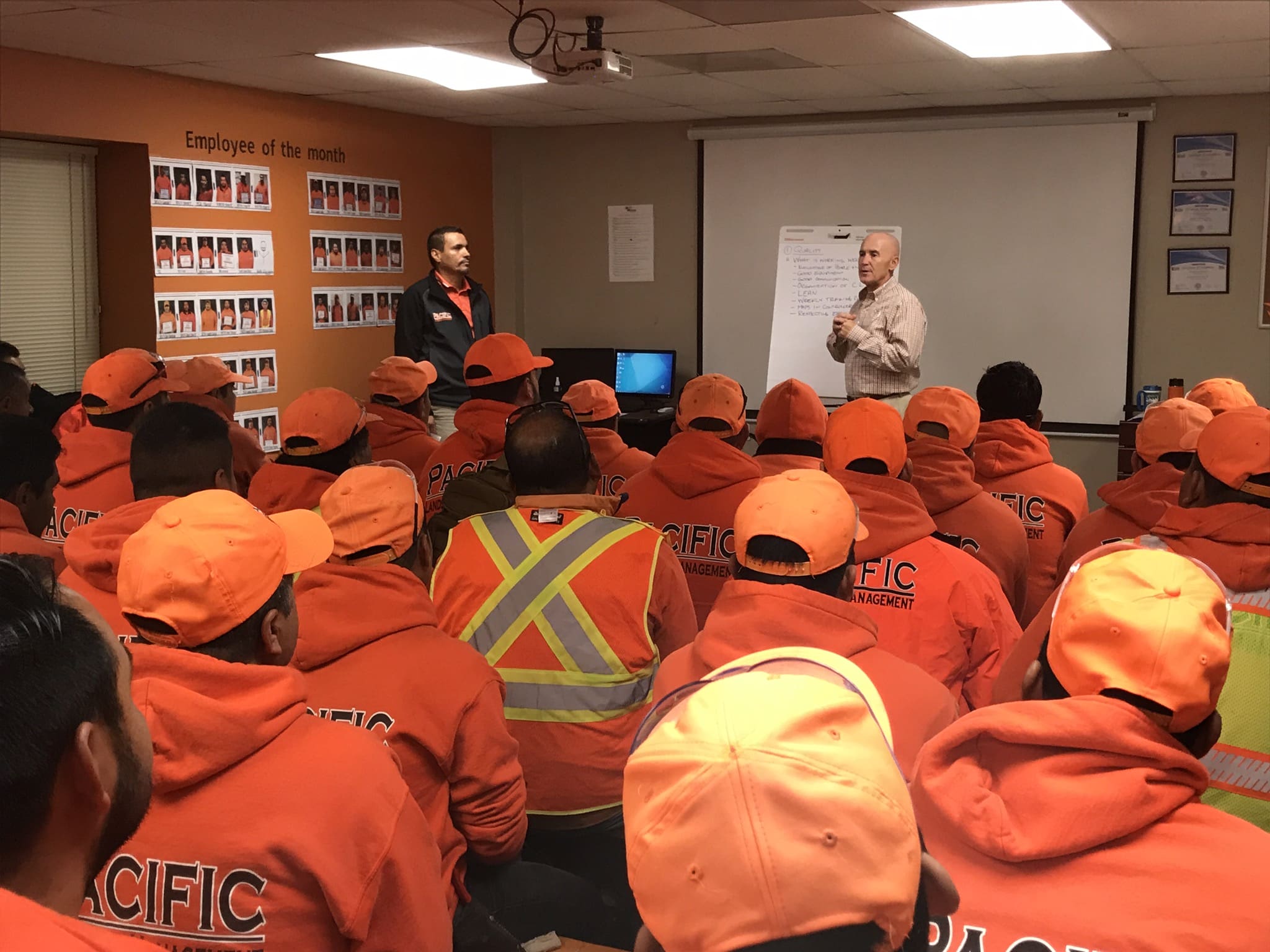
If you look at M&A news and think to yourself, ‘We’ll never sell,’ you’re not alone. Bob Grover, founder and chairman of Pacific Landscape Management, based in Hillsboro, Oregon, also held this mindset for years.
Grover had experienced consolidation firsthand as the company he worked for after college, Northwest Landscape Industries, was approached by TruGreen ChemLawn in 1998.
“This was actually an exciting time as they were buying many companies that I was getting to know through my involvement in the National Association of Landscape Professionals, then called Associated Landscape Contractors of America,” Grover says. “But over time, my job as regional manager in the Pacific Northwest became strictly about financial management, losing my connection with customers and employees, which inspired me in my career.”
This prompted Grover to leave in 2000 and start his own business alongside his business partner, Elias Godinez, in 2001.
“The goal was to take what I learned from Northwest Landscape Industries that was disappearing with the transition of the organization and re-create under my own brand,” Grover says.
Considering Exit Strategies
When Grover and Godinez started Pacific Landscape Management, they were 40 and 30 years old, respectively. He admits they were not thinking of anything other than getting the business established early on.
He watched as competitors were sold and their product and reputations in the market suffered after becoming part of a national organization. Yet in 2020, as Grover approached 60 and his wife had retired, he began discussing their long-term strategy with his partner so they could exit the business while retaining what made their company great.
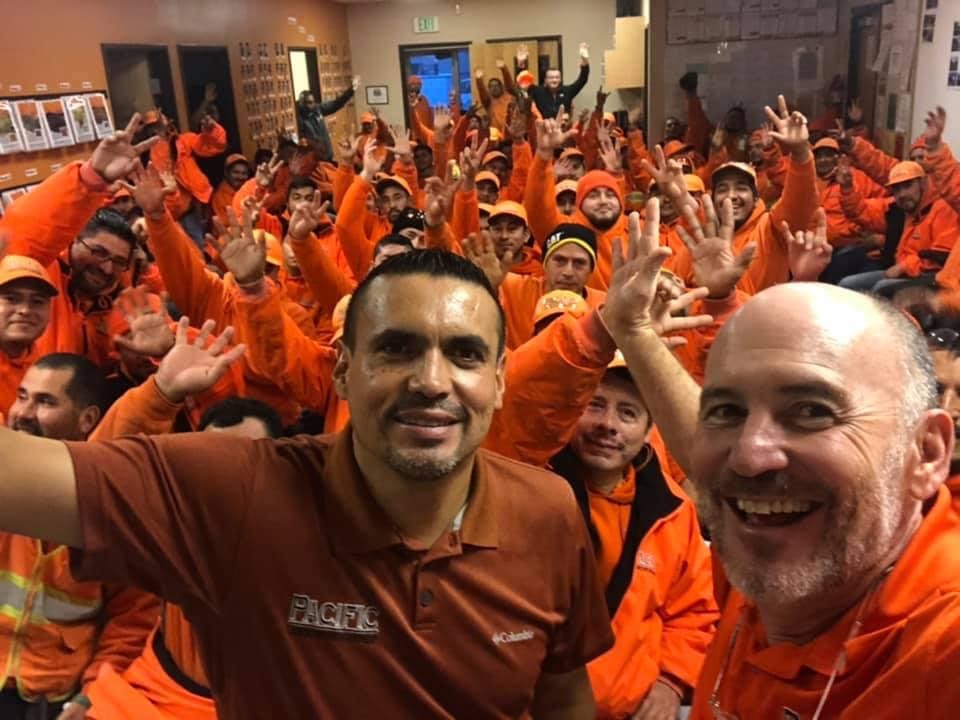
“We evaluated creating an ESOP, and a potential manager buyout, but those did not seem practical to recoup the value of our organization and not burden the company in the future with debt that either of those options would create,” Grover says.
Grover adds that the ESOP route didn’t seem like a viable option with their desire to create equity and grow outside of the Portland area.
When considering their options, Grover found that taking on an equity partner would allow them to capture some of the value of the business they had created while providing the capital needed to grow beyond the Portland market.
The key difference to the previous consolidation he’d experienced is that this deal would allow Pacific Landscape Management to retain control of their brand, systems, team and service philosophy as a platform company.
“I do not believe that we would’ve considered any option that would’ve sold to an organization that didn’t allow us to retain our brand and system,” Grover says. “Maybe a little bit arrogant, but we felt very comfortable that we’d seen success before at Northwest Landscape Industries diminish, adapting to the TruGreen model, and regained success with our model at Pacific Landscape Management and believe that finding a partner who allowed us to continue with our culture and systems was the only option that fit for my partner, my personal needs, as well as our organization’s employees’ future needs.”
Grover argues that the greatest misconception in the industry is that equity partners will “squeeze blood from a turnip” in your organization to improve profitability.
“They do invest in companies that will grow and increase value, but ours has focused on supporting how we can grow organically, and choose the right partners to grow through acquisition,” Grover says. “Choosing an equity partner, you have to make sure when you’re interviewing that you have a very clear discussion about strategy after they invest. If you’re not very clear what you expect, you may be disappointed with what you find if you haven’t been clear upfront.”
Keys to Successful Private Equity Partnerships
Pacific Landscape Management chose to partner with Southfield Capital in 2021 becasue this private equity firm allowed them to operate as a platform company. Grover says retaining their brand, systems, structure, and employee team was non-negotiable for them.
“Other equity firms wanted to join us with other investments they made, and we didn’t want to have to argue over culture and systems integration; thus, we wanted to be a platform and retain operational and cultural control,” Grover says.
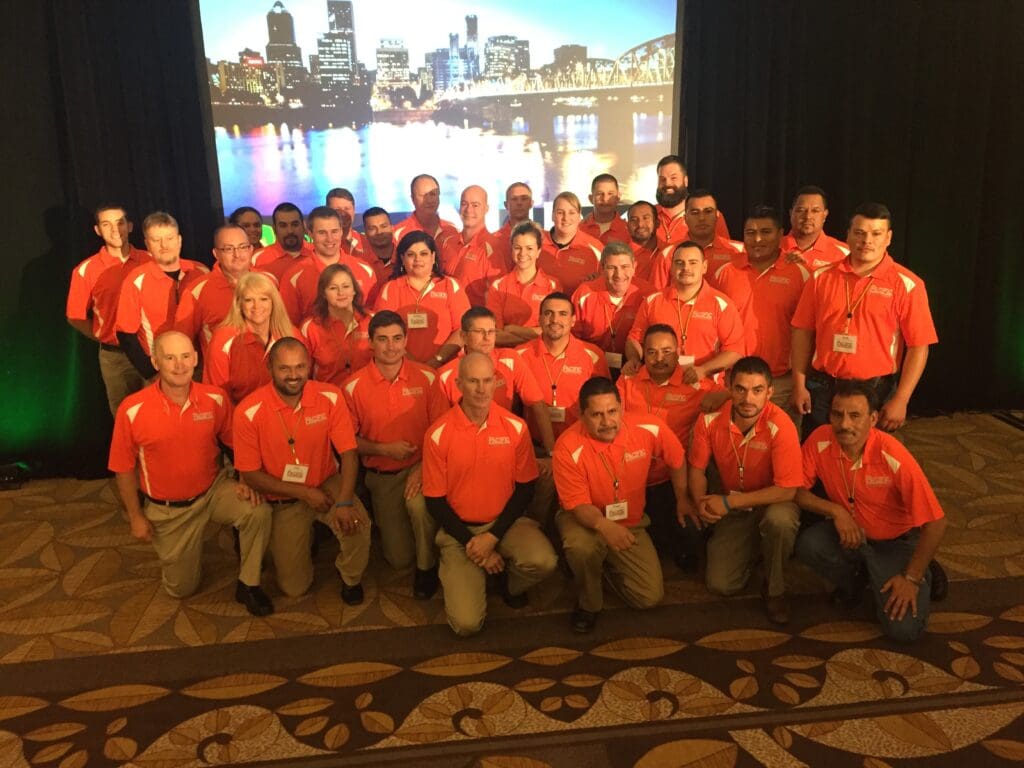
Grover says because they had insisted for so long to their team they’d never sell, it was a sensitive subject to communicate. He also didn’t want employees to be afraid based on other companies being negatively impacted after selling. One way they showed their gratitude to the team for creating the successful operation that enabled them to become a platform company was by creating a profit interest group.
This sets aside $6 million of the equity they retained and places it in a pool for their 44 managers. As the value of that share of equity increases, these employees receive that increased equity value in turn.
“We did this to provide an incentive for our team to work to integrate and grow and receive value for their effort,” Grover says. “I’ve heard of others that have given people a bonus after they’ve sold, and we wanted people to get a piece of the action for the value creation of the growing organization.”
Grover highly recommends that anyone considering a private equity partnership or selling their organization should have some form of incentive for their employees, where they win as the company grows.
“Don’t just think of yourself; think of how to reward your team for staying on and helping transition into a large organization with equity growth incentives,” Grover says.
One of the major lessons Grover has learned since partnering with private equity is the need to back up his decisions with research and facts.
“Many independent business owners, including myself, often make key decisions based on ‘gut feeling,’” Grover says. “When making an investment or decision that impacts financial results with an equity partner, they don’t trust gut feeling decisions.”
Now, he knows to justify their decisions with research before making major financial decisions. Grover notes that, after 20 years, it has been hard to be challenged on some of their decisions or to listen to suggestions.
“Our partner doesn’t necessarily say no, but they ask lots of questions and occasionally make suggestions,” Grover says. “And those are just suggestions that are worthy of discussion, and I have learned to engage and not be defensive when they make decisions or ask questions.”
Future Growth
Grover says the biggest benefit of taking on an equity partner is the support they now have for future growth. He says this growth provides their team with greater opportunities than if they had stayed completely independent.
As Pacific Landscape Management expanded outside of the Northwest, they created a parent company, Osprey Landscape Group. Their strategy is to find partners who are strong operators and culturally based organizations in new markets.
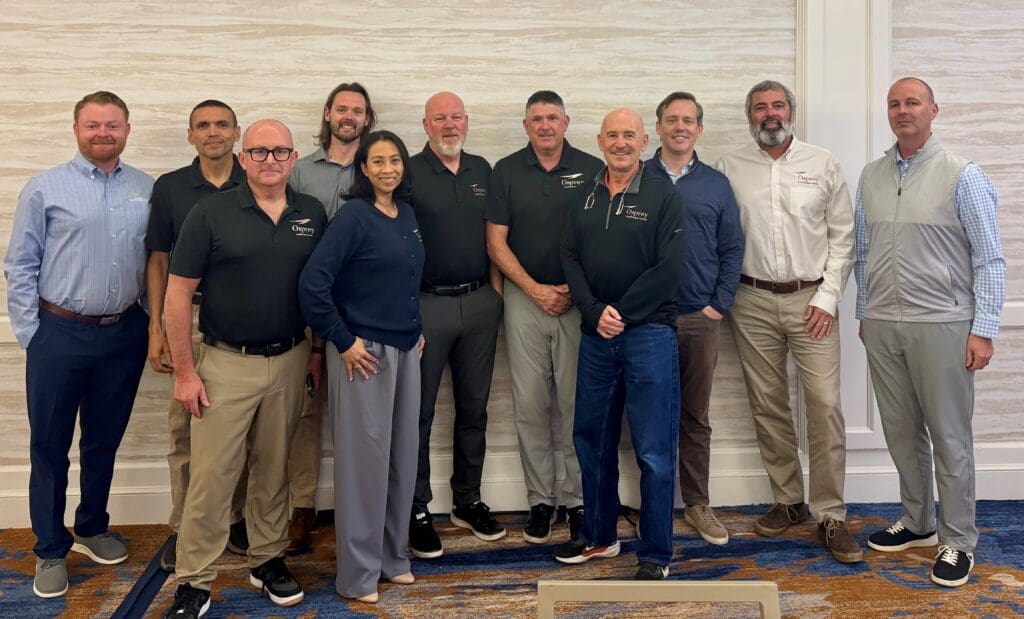
Bob Grover, founder and Chairman Pacific Landscape Management; Heb James, partner of Southfield Capital; Josh Dake, CEO of Osprey Landscape Group; Mike Dudiak, CFO of Osprey Landscape Group
Photo: Osprey Landscape Group
“We are not changing other companies’ brands and systems, but partnering with those that have strong brands and systems,” Grover says. “We will share back office services, but honor the systems and organizations that directly impact the service delivery to their customers in their markets.”
Grover notes that being a platform company requires a commitment to stay, and it is not an immediate exit opportunity for an owner.
He adds that owners should be realistic about their own long-term capacity and how it will affect the business.
“If you’re growing a great business, it’s because you have great people,” Grover says. “Work to develop your people and delegate responsibility to allow them to grow. They’ll eventually grow into the leaders who can replace you and allow you to retire.”