
The NALP Foundation invests in the future of the industry, and one of the ways it can make the biggest impact is to help send promising students to the National Collegiate Landscape Competition. This is why it recently introduced the Pathways to NCLC Travel Grant during ELEVATE.
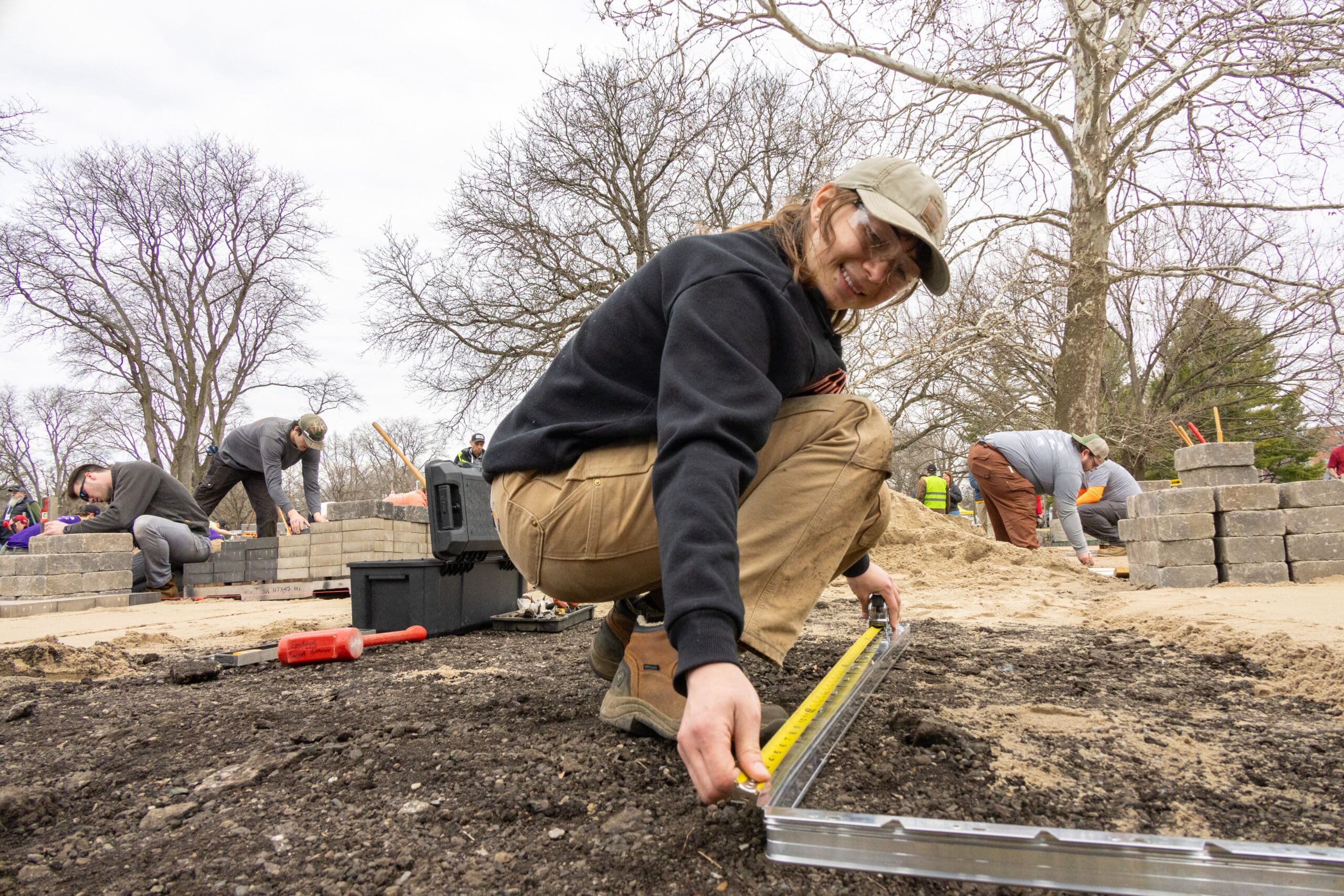
When students attend NCLC, they have the opportunity to compete in various events that test their skills and introduce them to different aspects of the industry. They are also able to connect with employers, mentors and explore numerous career paths.
What Is The Pathways to NCLC Travel Grant
In the past, travel expenses were a barrier for some students attending NCLC. The Pathways to NCLC Travel Grant helps fund transportation, lodging and other necessary expenses that can prevent students from participating in NCLC.
Grant funds are awarded in a process that considers financial need, travel burden and whether assistance will make attendance possible for students. The goal of the fund is to assist as many participants as possible. Once funding has been raised for 2027 NCLC, the NALP Foundation will determine an eligible maximum and minimum amount of funding to award schools that have applied.
Due to IRS laws associated with the NALP Foundation’s 501(c)(3) public charity status, the grant cannot be used to pay for NCLC registration.
The NALP Foundation will report on how many schools and students receive support so donors can have a clear view of their impact.
Who Is Eligible
Both two-year and four-year colleges are eligible for funding. Academic programs including landscape contracting, landscape management, landscape horticulture, landscape design, horticulture, turfgrass management, landscape architecture, arboriculture, urban forestry, environmental horticulture, irrigation, plant science, sustainable landscaping or related fields are all eligible for funding.
The grant program will pay particular attention to schools in their first three years of NCLC participation and schools for which the grant would change whether, or how many, students attend. However, the grants are not limited to new schools.
Schools with NALP accredited degree programs will also be prioritized.
Even schools within driving distance of NCLC’s location are eligible for the grant. Distance does play a factor in awarding funding, but schools in need of funding are heavily encouraged to apply regardless of their geographic location.
How Does It Work
Schools wishing to apply will need to provide a projection of students attending NCLC as well as expenses associated with each student, including travel, lodging and any food/beverage expenses expected. Schools do not need to register for NCLC before applying for the grant.
Applications will open in early December for schools to apply, and awards will be announced in early January. The school/institution and/or the affiliated foundation will receive the funding based on the directions listed in the application.
The second-round application deadline is Feb. 1, 2027, and these second-round applicants will be notified by Feb. 15, 2027.
Late applications will be accepted for consideration from Feb. 2-28, 2027. If additional funds are received after the grants have been awarded, these will be dispersed among the schools that did not receive funds.
All grant funds are expected to be dispersed by early February, but schools may need to book or pay for some expenses before receiving the funding. Schools are entitled to decline the award at their discretion if the funds are less than requested.
The grant-supported students are not required to participate in any specific competitions, educational sessions, or career activities but are encouraged to participate in as many NCLC-related activities to maximize their experience.
If you have further questions about the grant program, contact Andrew Bray and Amee Patel.
How to Support Pathways to NCLC Travel Grant
Landscape companies can select the gift amount they prefer to give to support the fund. To donate to the Pathways to NCLC Travel Grant, click here.
“Every dollar counts, and these donations are tax-deductible,” says Andrew Bray, executive director of the NALP Foundation and executive vice president of government relations.