

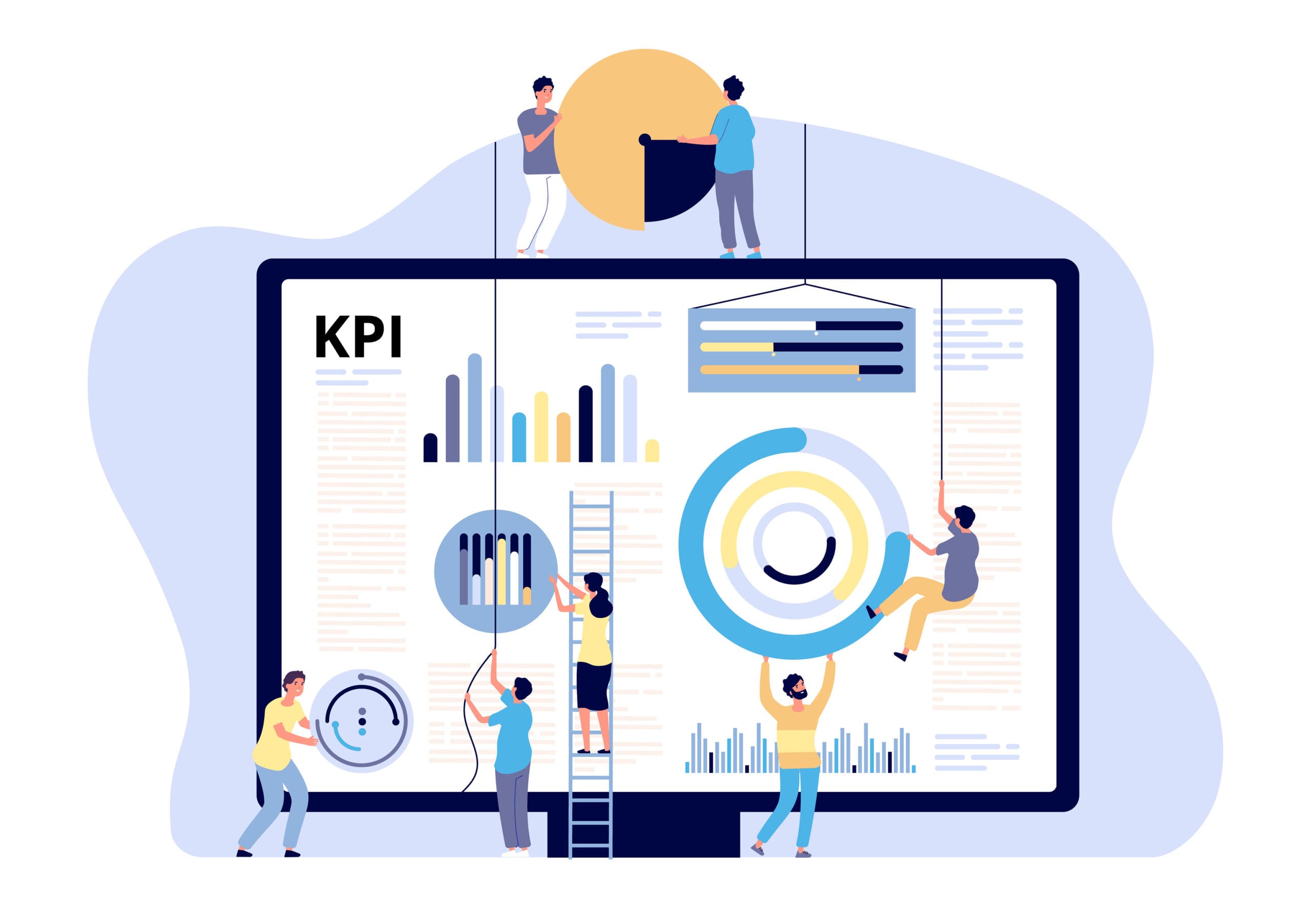
There is no shortage of data you can track when it comes to your business. Each point of information provides insight into different aspects of your operations, but more data doesn’t automatically equal better performance for your company.
What matters is selecting useful metrics that can be actively managed as KPIs and communicating these numbers to the team so they can understand where the business stands and how to respond.
J.T. Price, CEO of Landscape Workshop, based in Birmingham, Alabama, says that when he took over the company in 2014, they had very low margins, but they weren’t transparent about it. Because employees didn’t know the company was struggling financially, they had no sense of urgency around improving performance.
“Sharing financial information and setting measurable incentives and goals created a culture where high performers are rewarded, and employees want to be at the top of the chart,” Price says. “This has led us to be one of the more profitable large companies in our industry.”
What Numbers to Track?
As the old adage goes, ‘What gets measured gets managed.’ What you choose as your KPIs should be elements of the business that your team can influence with their actions.
The numbers you actively manage should answer practical questions such as ‘Are we producing work as efficiently as possible?’ and ‘Are jobs actually profitable?’
Metrics like your net margin, closed sales dollars, customer retention, revenue per labor hour and equipment utilization can all help give you an understanding of how the company is performing as a whole without it becoming overwhelming.
Whichever KPIs you choose to prioritize, establish a baseline and a target so your team has context surrounding the number. Also ask of every KPI:
- What decision will this number help us make?
- Who can influence it?
- How often does it need to be reviewed?
- What action should occur when it moves outside the acceptable range?
Answering these questions will help you determine who the numbers should be shared with and how frequently they need to be discussed. For instance, Timberline Landscaping shares their profit margin and revenue performance posted in the conference room for everyone in the company to see.
Make Dashboards Understandable
You can’t just stop at sharing the numbers with your team. You need to ensure everyone has financial literacy and understands how their actions can influence outcomes. When your team members can see and comprehend the numbers being tracked, the more likely they will make better, more informed decisions in their day-to-day tasks.
“We want them focusing on those things that they can control,” says Mark Aquilino, president of Outdoor Pride Landscape & Snow Management, based in Manchester, New Hampshire. “The things below gross profit, like our G&A type stuff that’s heavily reviewed by myself and our controller. Whereas our teams out in the field, we want them responsible for and constantly looking at the direct costs that they easily influence.”
It also helps to create layers of visibility. While some numbers should be shared company-wide, breaking down other metrics by departments and crews keeps the information highly actionable.
“This may be expense line items from admin and fleet team members or weekly sales figures for the sales team,” says Paul Fraynd, co-owner of Sun Valley Landscaping, based in Omaha, Nebraska. “Our managers receive monthly goals for their team in earned revenue, billed labor hours (throughput) and gross profit (as a percentage and a dollar). We also bring this down to the crew level with weekly ‘efficiency’ scores showing them how they are doing toward man-hour goals.”
Creating Transparency Without Hurting Morale
While your team’s morale can be boosted when they see the numbers reflecting their success, they can become discouraged by missed goals or poor numbers. Yet you shouldn’t only care about KPIs when the company is performing well. Consistency is what fosters trust within the team.
The key is to remind your employees that they do have the power and support to impact those numbers.
“It’s our job as leaders to support the team, make quick decisions based on data and to motivate people when they need it most,” Fraynd says. “It helps to keep a wide perspective, focused not just on the week’s or month’s goals, but in your ultimate vision and reflecting back on how far you have come. This pressure to perform is not for everyone, but we have found that by sharing the score, the top performers rise to the top and we are far better for it.”
When your company is experiencing a bad quarter, take the time to provide context for your staff as to why the gap exists and what action is being taken. Without this information, employees can quickly assume the worst and question the organization’s stability.
Even if the company isn’t hitting all of its goals, celebrate the wins your team has accomplished, such as a strong safety record or customer satisfaction. By recognizing your team for how their actions positively influenced certain KPIs, it incentivizes them to continue to care and monitor the numbers.