

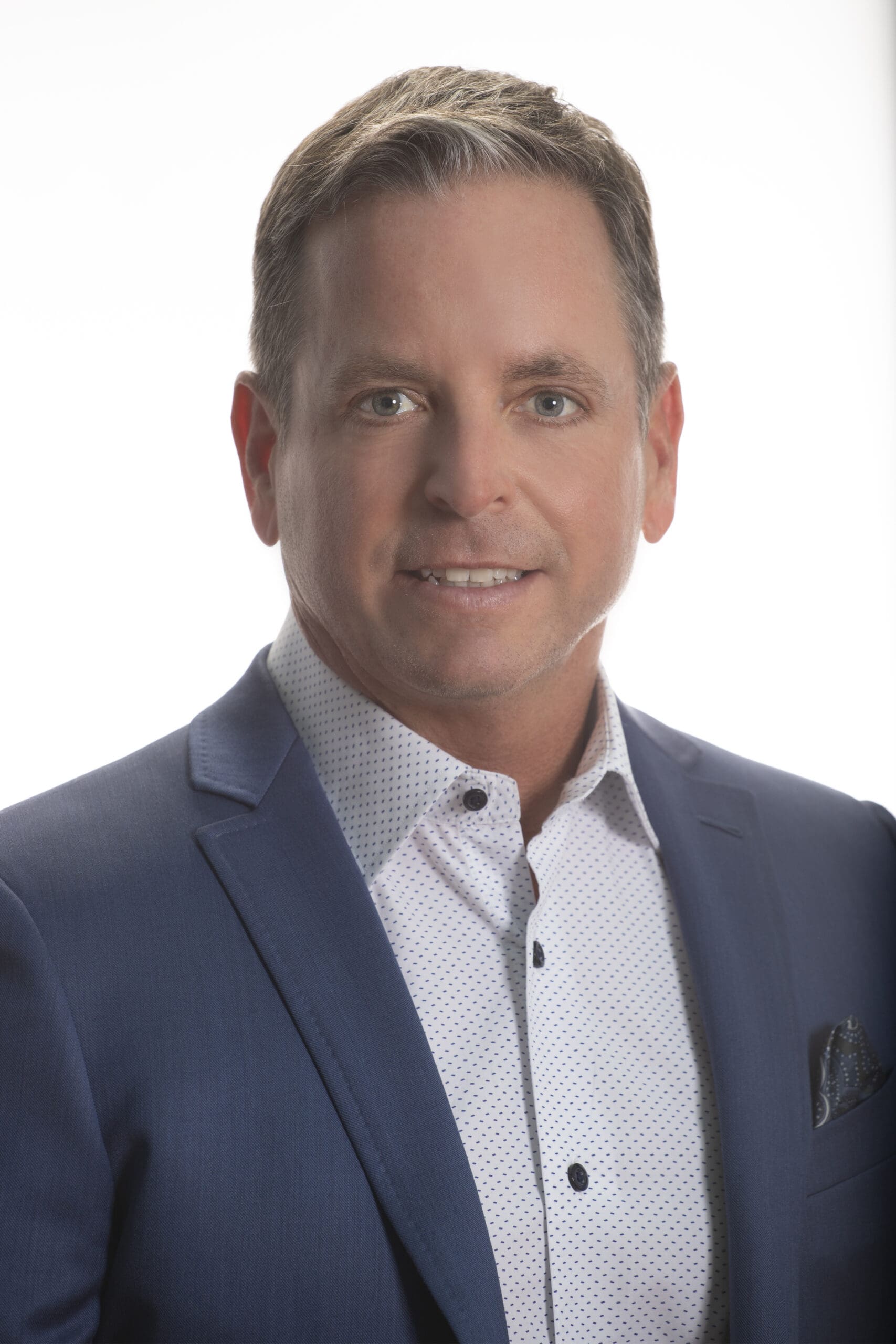
Edward Schatz Jr. is the founder and CEO of Heartland, based in Kansas City, Missouri. He founded Austin Outdoor in 1994 and sold it to Yellowstone Landscape in 2008. He served as regional president with Yellowstone until 2015. Then, in April 2016, he partnered with Great Range Capital to establish Heartland with their first acquisition of Signature Landscape. Since then, the company has grown with operations spread across more than 26 states. The company’s goal is to thoughtfully integrate local businesses into a larger enterprise and collaborate with these partners on best practices.
What prompted you to sell Austin Outdoor back in 2008?
By 2008, I had reached a point where I believed Austin Outdoor could grow well beyond what I could fund and support on my own. We had built a strong business, but I saw the opportunity to partner with other high-quality firms in different markets and create a broader platform with less exposure to any one geography, end market, or service line. It was also a way to create more opportunity for our people and give the business access to greater resources. At that stage, I believed the right partner could help us accomplish something larger and more durable than we could independently.
What lessons did you learn when you were working with Yellowstone?
Yellowstone was one of the most important learning chapters of my career. We closed in December 2008, and shortly thereafter the operating impact of the housing market collapse and the Great Financial Crisis was being felt across our markets, especially in places like Florida. That pressure continued for several years. As revenue declined, leverage became more challenging, free cash flow tightened, and the business had to make difficult decisions in a very difficult environment. I learned a great deal about scale, capital structure, leadership under stress, and the importance of keeping people at the center when financial pressure is intense. That experience helped shape Heartland because I came away with a much clearer view of the kind of company I wanted to build, and the kind of partner I was determined to be.
Since you’ve experienced being both the seller and buyer, does this give you unique insights into your M&A strategy?
Absolutely. Having been the seller, I understand that choosing the right partner is one of the most important decisions an owner will ever make. The economics matter, but owners are also thinking about their employees, their customers, their reputation, and whether the partner can create real opportunity for the people who helped build the business. That perspective has shaped the way we approach M&A at Heartland. We approach each opportunity with respect for what the owner has built and clarity about what life after the transaction will look like. A good acquisition is not just about closing a deal. It is about building trust before closing and proving that trust after closing.
How do you ensure that everything stays relationship-driven after acquiring a new business?
It starts with understanding that each acquisition is different. We do not assume there is one integration formula that fits every owner, every team, or every market. A big part of the work happens before closing, when we talk openly with the seller about what role they want to play going forward and where they believe they can create the most value. Many entrepreneurs have not had a boss in a long time, or ever, so you have to be honest and thoughtful about how that transition will feel.
After closing, we work hard to align people with their strengths. Some leaders create the most value through customer relationships, business development, mentoring, and market leadership, while others are better suited to operating reviews, budgets, and management cadence. We do not get every decision perfect, but we stay focused on getting it right, and we learn when we miss something. The goal is to design the right leadership structure around the business, protect the important relationships, and help the company mature without losing what made it successful.
What are the biggest mistakes you see companies make when trying to scale through acquisitions?
The biggest mistake is treating acquisitions like transactions instead of partnerships. Another common mistake is creating too much disruption right after closing, especially when there is pressure to integrate systems and processes quickly. Systems matter, and we do move with purpose, but timing and sequencing are important. In our business, the service delivery model is sacred. If you disrupt the people closest to employees and clients too quickly, you can damage the very value you were trying to preserve. Scale only works when discipline and humility show up together.
How critical has it been to surround yourself with key individuals like Bill Dellecker and Peter Welch who have worked with you both at Austin Outdoor and Yellowstone?
It has been incredibly important. Bill and Peter have been with me through multiple chapters of my career. Bill joined me in 2002, and Peter followed in 2007, so they have both been part of the journey for a long time. Bill has had a lasting influence on how we think about leadership, people development, and culture. Peter has brought financial discipline, clarity, and systems. Together, they have helped us grow in a thoughtful way. You do not build a company like Heartland alone. You build it with people who challenge you, strengthen the organization, and care about the company beyond their title.
How do you preserve the identity of acquired companies while still bringing them into the Heartland culture?
We preserve identity by respecting the local brand, the local leadership, and the history that made the company successful. Our “Join Us, Stay You” philosophy has worked because it tells owners and employees that we are not here to erase what they built. At the same time, preserving identity does not mean nothing changes. As we grow, we have to keep learning how to balance local brand strength with the systems, support, and structure required to operate at scale. The principle remains the same: protect what makes the business special, while giving it the tools to become stronger.
How vital has the Heartland University of Excellence been for elevating employee training across all locations?
Heartland University of Excellence has been one of the most important investments we have made in the company. It gives us a way to share best thinking across the platform and help people grow without taking away the local character of each business. The value is not just the content or the courses. It is the connection it creates among leaders, business development managers, account managers, production teams, and support teams who might not otherwise have the opportunity to learn from one another. Business development has been a primary area of focus because growth depends on people who can build trust, understand client needs, and represent the company professionally in the market. Leadership development for high-potential people across the business is another bright spot. In a people business, training cannot be something you do occasionally. It must become central to how the company operates.
How do you define success today compared to when you first started Heartland?
When we started Heartland, success was about proving the model. Could we acquire strong local companies, preserve what made them special, and help them grow? Today, success is broader. It is about building a company that creates lasting value for employees, customers, local leaders, operating partners, and investors. The financial results matter, but they are not separate from the culture. If we are growing and creating real opportunity for people at the same time, that is when I believe we are succeeding.
What are you most proud of when you look back at your career and the company’s journey?
I am most proud of the people who have grown along the way. Companies, acquisitions, and revenue are easy to measure, but the most meaningful part is watching people take on bigger roles, build careers, and create better futures for their families. I am also proud that Heartland has created real value for the entrepreneurs who chose to partner with us. Many of them trusted us with the businesses they spent their lives building, and a number of them continued to participate in Heartland’s growth after the transaction. That matters to me because it means this was not just a sale. It became a shared journey. The common thread through all of it has been relationships, and that is what makes the journey meaningful.
How would you describe your leadership style?
I would describe my leadership style as relationship-driven, direct, and focused on long-term value. I concentrate on finding the right leaders, making sure they share the vision, and then giving them room to lead. I can be direct, and I believe clear conversations are important, especially when a company is growing quickly. At the same time, I do not believe in hovering over good people. My job is to set direction, protect the culture, ask the right questions, and help remove obstacles so strong leaders can do their best work.
What’s a strongly held belief you’ve changed your mind on over the years?
Earlier in my career, I probably believed that staying close to every decision was the best way to protect the business. Over time, I learned that too much control can limit both the company and the people around you. As a business grows, your job shifts from making every decision to building the leaders and systems that allow better decisions to happen throughout the organization. I still believe in staying close to critical things, but I have learned that trust and structure are what allow a company to scale.
What has been your biggest challenge leading Heartland?
The biggest challenge has been scaling the business without losing what made it special. Growth creates complexity, and complexity can create distance from the field if you are not careful. We have had to be very intentional about building shared services, systems, and leadership structures that support our operating companies rather than slow them down. At the same time, there are areas like risk, safety, and compliance where we do have to bring more structure and consistency than many smaller businesses had before joining us. That can feel like added process, but it is necessary. We want every employee who comes to work to go home safely to their family. The challenge is balancing local entrepreneurship with the discipline required to operate at scale.
Where do you see Heartland in the next five years?
I see Heartland continuing to grow as one of the leading service organizations in the green industry, but growth by itself is not the goal. We are dedicated to continuing to build a company known for strong local execution, trusted relationships, disciplined acquisitions, and creating real opportunity for our people. There is still significant runway in our industry, both through M&A and organic growth. The next five years will be about expanding our reach while strengthening the foundation underneath the business. That also means continuing to invest in technology, data, and new tools that make our people safer, more productive, and better equipped to serve clients. If we do that well, Heartland will continue to become a more valuable and more meaningful company.
What changes would you like to see in the industry?
I think the industry is already moving in a positive direction. There is more investment, more consolidation, more professionalism, and more focus on training, safety, systems, and leadership development. That is a good thing, because commercial landscaping is essential work and it deserves to be treated as a serious, professional service industry.
Technology is also changing the industry faster than many people expected. AI, autonomous mowing, electrification, routing technology, and better data tools are already reshaping how we work. The companies that succeed over the next decade will not be the ones chasing every new tool. They will be the ones using technology thoughtfully to make their people safer, more productive, and better equipped to serve clients, while keeping relationships at the center of the business.
What advice would you give to others trying to grow a successful business?
Start with people and relationships. If your employees and clients trust you, you have a real foundation upon which to build a successful business. Be thoughtful about the work you take on, the people you hire, and the promises you make. I would also encourage entrepreneurs to invest earlier in systems and technology than they may think is necessary. Systems create structure, technology improves productivity, and both give a growing business the foundation required to scale. Growth is exciting, but sustainable growth comes from trust, discipline, consistency, and the determination to continuously improve.
This article was published in the Sept/Oct/Nov issue of the magazine. To read more stories from The Edge magazine, click here to subscribe to the digital edition.